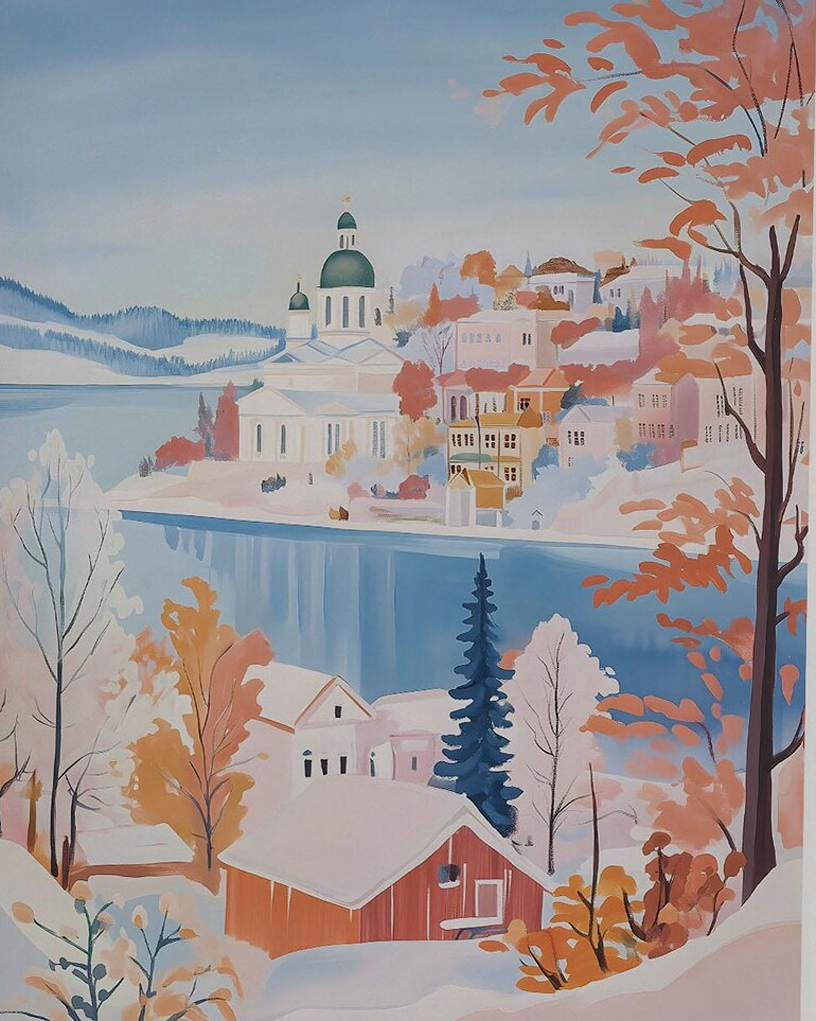
Exmoor (a small National Park in Somerset and Devon)
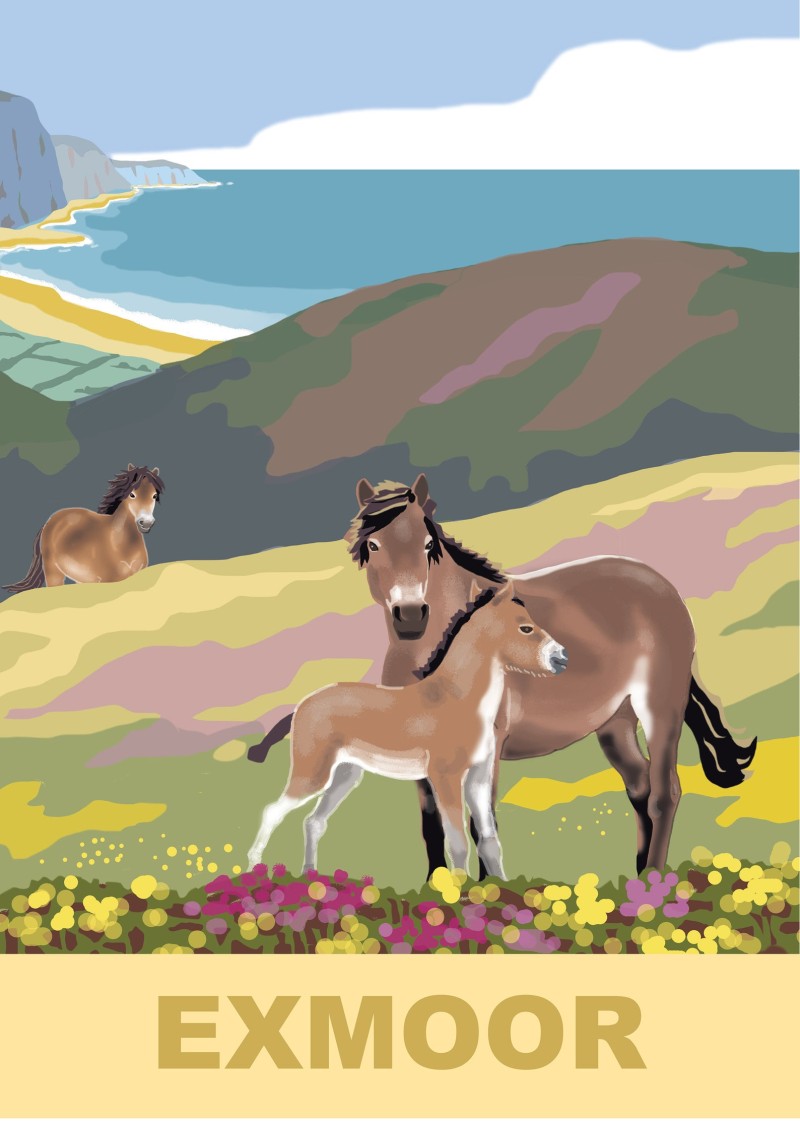
Exmoor is England’s only National Park with a coast. It has the highest sea cliffs in mainland Britain and Tarr Steps (the longest remaining clapper bridge).
Here also you’ll find endangered butterflies (the heath fritillary is here, found in only four places in the UK, due to loss of habitat). Exmoor was Europe’s first International Dark Sky Reserve, the ancient landscape (some places over 200 million years old) home to herds of wild red deer.
Spanning both Somerset and Devon, this is one of England’s smaller National Parks, but it has the highest sea cliffs (so keep well away if out walking). It also has wonderful night skies (you can even hire a telescope at the National Centres to spot the Milky Way).
Nearby Lynton and Lynmouth are twin villages known as Little Switzerland, connected by a Victorian-powered funicular railway.
Never light fires, stoves or barbecues in National Parks (wild camping is not allowed). Never disturb or feed wild ponies. For concerns, contact Exmoor Pony Society (and Moorland Mousie Trust).
Always follow the Countryside Code to keep all creatures safe. Keep dogs away from steep banks, mushrooms (and toxic plants/trees) and on leads near birds, barnyard friends and wild ponies.
If at the coast, keep away from nesting birds and never walk on sand dunes. Learn how to keep dogs safe by the seaside (check beach bans before travel).
How to upright an overturned sheep
Pregnant sheep (and sometimes due to wool waterlogged from rain) can sometimes roll over onto their backs, and can’t get back upright, due to having four stomach chambers (so will die if not turned back upright).
If you see a sheep on its back, just firmly right it back, then stay with it, until rain has drained off, so it won’t happen again. Then inform your local farmer.