How to Grow Your Own Organic Peas
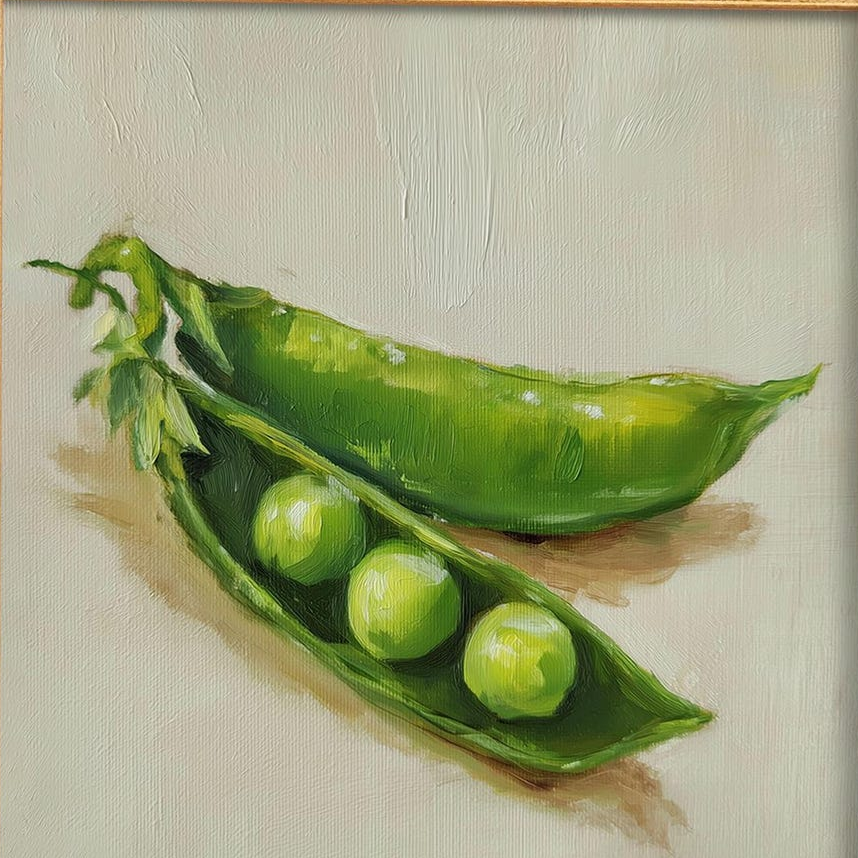
Peas are the world’s oldest cultivated crop, dating back over 10,000 years. They are actually seeds (legumes) grown in pods, and just one serving has more protein than an egg (some brands are now making ‘pea milk!) With more vitamin C per serving than two large apples, they are lovely fresh, not just frozen or in cans!
Mange-tout are simply eaten with the shells on (French for ‘eat all’)
‘Eat everything, Rodney’ is a cult line spoken by the character Del Boy in the series Only Fools and Horses. A kind-hearted conman from South London uses it to punctuate his sentences with a false air of sophistication. From a French AI overview!
Like all legumes, peas help to fix nitrogen in the soil, which actually makes it healthier! Peas are also very popular these days as a ‘smashed peas’ alternative to avocado, which is not local and has various ethical issues.
What you need to grow organic peas
Peas are easy to grow England, because they like our mild cool climate. They do however need good soil. Sow outdoors from March to June and not before, or seeds could rot. They need sunny well-drained soil with plenty of good compost, to ensure well-drained beds.
If you want something similar, look for patio peas, then you don’t have to build a support trellis!
You may have to share some of the harvest, as pigeons, voles and mice love them too. Just like deterring lettuces from slugs, it’s best to just grow another patch somewhere else in the garden, and let them feast on that (you could plant common mint near the peas to mask the scent (never grow pennyroyal mint near pets).
- Use humane non-toxic methods to deter slugs/snails.
- Read up on pet-friendly gardens for plants and mulches (like cocoa) to avoid
- For indoor plants and greenhouses, use Feather Friendly bird tape to stop birds flying into windows (avoid facing indoor plants to face gardens).
Where to buy sustainable pea seeds
If you can’t find sustainable pea plants locally, you can buy from Rocket Gardens.
Ways to eat fresh organic peas
Peas should be avoided for people with gout or hyperuricemia, due to uric acid. Also avoid for low-protein diets (including kidney disease), IBS and legume allergies).
Avoid peas for young children and people with swallowing difficulties.
Fresh peas only need a few minutes cooking. To freeze the rest, blanch in boiling water for a few minutes, then plunge into iced water for 2 minutes to stop the cooking process. Drain in a colander and pat dry with a towel, then freeze in a single layer for a couple of hours. Then transfer into silicone food bags and label the container with a date (will last for a few months)
- Minty mushy peas: Boil 300g of frozen peas, then fry with 1 tbsp vegan Flora butter, a handful of fresh mint leaves and a sqeeze of lemon juice. Mash and season to taste.
- Creamy garlic pea pasta: Cook 200g plastic-free pasta. While it cooks, boil 200g frozen peas and blend with 2 minced garlic cloves, 2 tbsp olive oil, 3 tbps vegan grated cheese, salt and 50ml of the pasta water. Serve with the drained pasta, and season to taste.
- Potato pea curry: Fry 1/2 tsp cumin seeds in a pan for 30 seconds, then add 1 large cubed boiled potato, 150g frozen peas, 1/2 tsp each of turmeric and garam masala. Stir-fry on medium heat for 7 minutes, and season with salt.
- Smashed peas on toast: Blanch 300g frozen peas in salted water for a few minutes. Rinse in cold water and drain, then mash and stir in 2 tbls olive oil, 1 tbs lemon juice, 1 small minced garlic clove and a handful of chopped herbs. Season to taste.