How to Grow Your Own Organic Swede
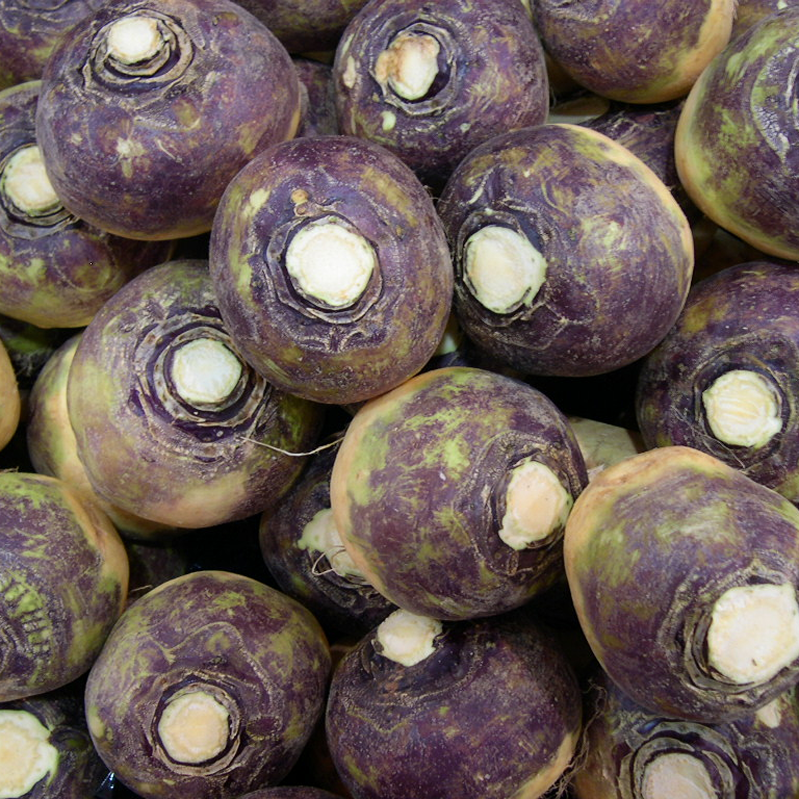
Swede (the vegetable) at Wikimedia
Swede (or rutabaga if you’ve visiting from the other side of the pond) is one of England’s favourite root vegetables, often served for roast dinners on Sunday afternoons, mashed and peppered (with roasted parsnips). Packed with nutrients, it’s naturally sweet and delicious.
A natural hybrid between a turnip and wild cabbage, it’s believed to have been gifted to a Scottish gentleman in 1800 from King Gustav III of Sweden, hence the name. ‘Rutabaga’ apparently means ‘baggy root’ in Scotland, and like turnips, swedes are also called ‘neeps’ north of the border.
During the harsh winter German winter of 1916-1917, people survived by eating swedes, when grain and potato crops failed. In fact, this is one of the few vegetables that can taste better after getting hit by frost. It’s also a popular low-carb swab for potatoes, with far less calories and s tarch.
Swedes top the list of ‘most dangerous vegetables to peel’, due to their tough skins (a bit like squash). To chop a swede safely:
Hold the swede firmly on a chopping board, and slice 1cm off top and bottom ends. Stand on the flattened ends and shave the skin downward using a y-peeler. Place the centre of the knife blade aross the middle and push down firmly using the weight of your body, keeping other hand away from the blade. Place both halves cut-side-down on the board, and slice into thick even planks, then cut blanks into thick batons.
What you need to grow organic swede
Swede doesn’t mind cold weather, and gets sweeter in autumn. So in mid-to-late May and thin out seedlings to avoid overcrowding. Add plenty of good soil and avoid over-watering, add organic lime for acidic soil. Organic gardens will naturally attract ladybirds and other creatures to eat flea beetles. Grazers sells a non-toxic spray to deter cabbage white butterflies.
- Use humane non-toxic methods to deter slugs/snails.
- Read up on pet-friendly gardens for plants and mulches (like cocoa) to avoid
- For indoor plants and greenhouses, use Feather Friendly bird tape to stop birds flying into windows (avoid facing indoor plants to face gardens).
Where to buy sustainable swede
If you can’t find sustainable swede plants locally, you can buy from Rocket Gardens or Tamar Organics.
Ways to eat fresh organic swede
Raw swede (or large quantities) should be avoided for people with thyroid issues (contain goitrogens). Also avoid for IBS and check medications for interaction.
Young infants should not be fed high-nitrate foods (leafy greens, root veggies, celery, broccoli and green beans) also found in processed meats.
If feeding swede to rabbits or guinea pigs (not to young animals), only do so as a treat as they are sugary and can cause gasa (their main diet should be quality grass hay with supplemented Timothy pellets, and for guinea pigs fresh vitamin C produce).
Garlic and herb roasted swede
Preheat oven to 200°C (400°F/Gas 6). Toss 1 medium diced peeled swede with 2 tbsp olive oil, 1tsp each garlic powder and rosemary (or) thyme, salt and pepper. Sprinkle over 1tbsp cornflour (makes crispy edges!) and toss. Bake cubes in a single layer for 30 minutes, turning halfway.
Swede and carrot lentil soup
Fry 1 chopped onion in 1 tsbp oil a pan until soft, then add 1 tsp curry powder, 1 diced peeled swede and 2 sliced carrots. Cook for 2 minutes then add 150g red lentils and 1 litre good veggie stock. Bring to a boil, then reduce heat, cover and simmer for 25 minutes. Blend (or just blend half for a thicker soup) and season with salt and pepper.
If using tinned lentils, fully remove lids (or pop ring-pulls back over holes) and pinch tops shut before recycling, to avoid wildlife getting trapped. Recycle any plastic packaging at supermarket bag bins.
Vegan swede and potato mash
Cook 1 chopped peeled swede in a pot of salted water, bring to the boil and after 5 minutes, add 2 large peeled chopped baking potatoes. Boil for 20 minutes, then drain and leave for 2 minutes for steam to escape. Add 2 tbls vegan Flora butter, 2 tbls plant milk, 1 tbsp nutritional yeast (or grated vegan cheese), a pinch of grount nutmeg, salt and pepper. Mash and eat!
Keep this away from pets, due to nutmeg.