How Leaves Work (fresh greens to autumn browns)
Leaves are those beauties that you may take for granted, as you see them on trees or dropping on the forest floor in autumn. But they are absolute wonders of nature, that work as ‘mini solar panels’ to turn light into energy.
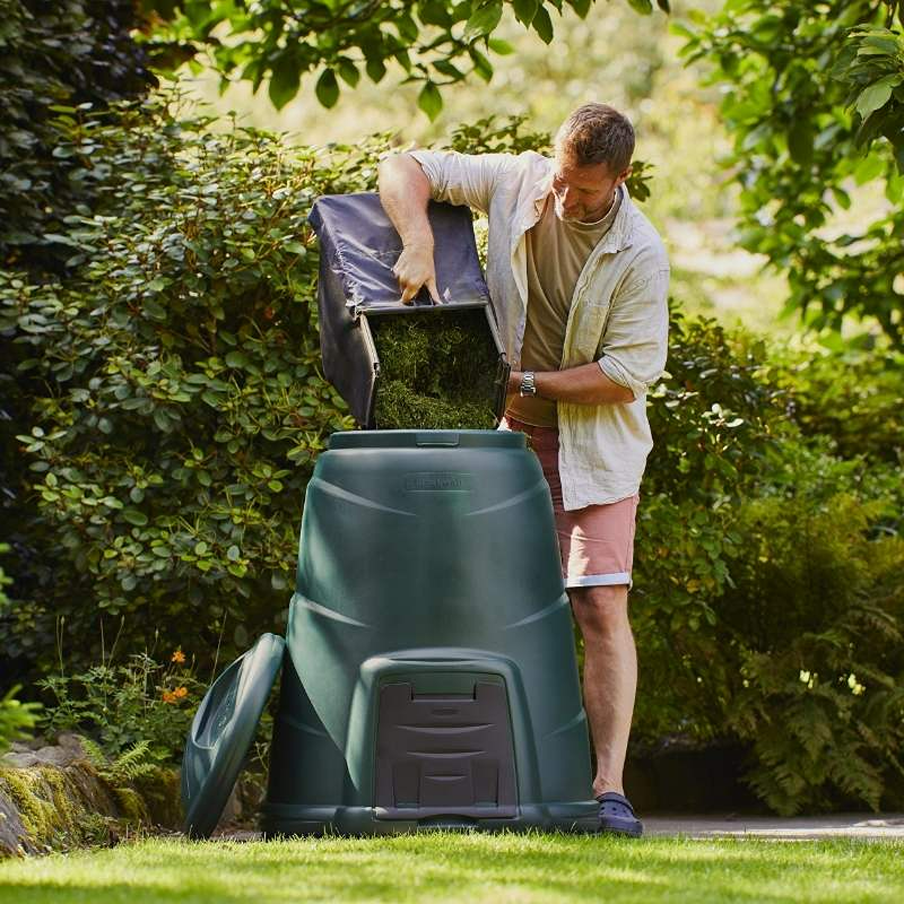
Don’t remove fallen leaves for ‘art purposes’ as they provide homes and shelter to many tiny creatures. If you use them for leaf mould, then carefully scoop up and place somewhere safe for creatures to escape.
Leaves literally ‘eat sunlight’ using a green pigment called chlorophyll to trap energy. This is used to power a process called photosynthesis, which converts water and carbon dioxide into (glucose) into food.
Just like us, leaves can also breathe. They do this using tiny pores (stomata) found on their undersides, But unlike us, they breathe in carbon dioxide and breathe out oxygen. This is why having more trees is vital to help prevent climate change, to help reduce carbon emissions.
Leaves also have their own plumbing system (and don’t need to pay someone £200!) The veins in leaves contain a substance called xylem (which brings water from the roots) and phloem (which transports food made in the leaves, to the rest of the plant). The leaves then release water vapour through transpiration, and this helps to cool and draw water up from the roots. Clever leaves!
If you garden alongside animal friends, know that many trees, conkers (and all spring bulbs that grow beneath trees) are not safe near pets (nor horses including yew, oak and sycamore). Read more on pet-friendly gardens.
If growing fruit trees, avoid netting (use fruit protection bags instead, removing for pollination – read more about wildlife friendly gardens). If using leaves to make compost, keep fresh compost away from pets (contains mould).
Why do leaves go orange/yellow in autumn?
They don’t! They are always that colour, it’s just that green chlorophyll masks it. As daylight hours decrease, the original colours shine through as the chlorophyll breaks down.
Leaves survive through winter because they are covered in a kind of ‘waxy sunscreen’ to help them avoid weather damage, disease or water.
Fallen leaves are good for wildlife
Always leave parts of your organic garden a bit messy, as leaf litter provides crucial winter habitats to wildlife including toads and hibernating hedgehogs.
Fallen leaves also provide warm sheltered ecosystems for bumblebees and caterpillars (which of course turn into beautiful butterflies).
Why are New England trees so stunning?
Truth be told, so are our forests in autumn. But New England does have the edge, as it has a lot of red and sugar maple trees, which gives the vivid colours. However climate change is now meaning peak foliage is now a week later than it was in the 1950s.
Poetry Break: Fall, Leaves, Fall by Emily Brontë
Fall, leaves, fall; die, flowers, away;
Lengthen night and shorten day!
Every leaf speaks bliss to me,
Fluttering from the autumn tree.