A Woodland Carpet of Bluebells (the first sign of spring)
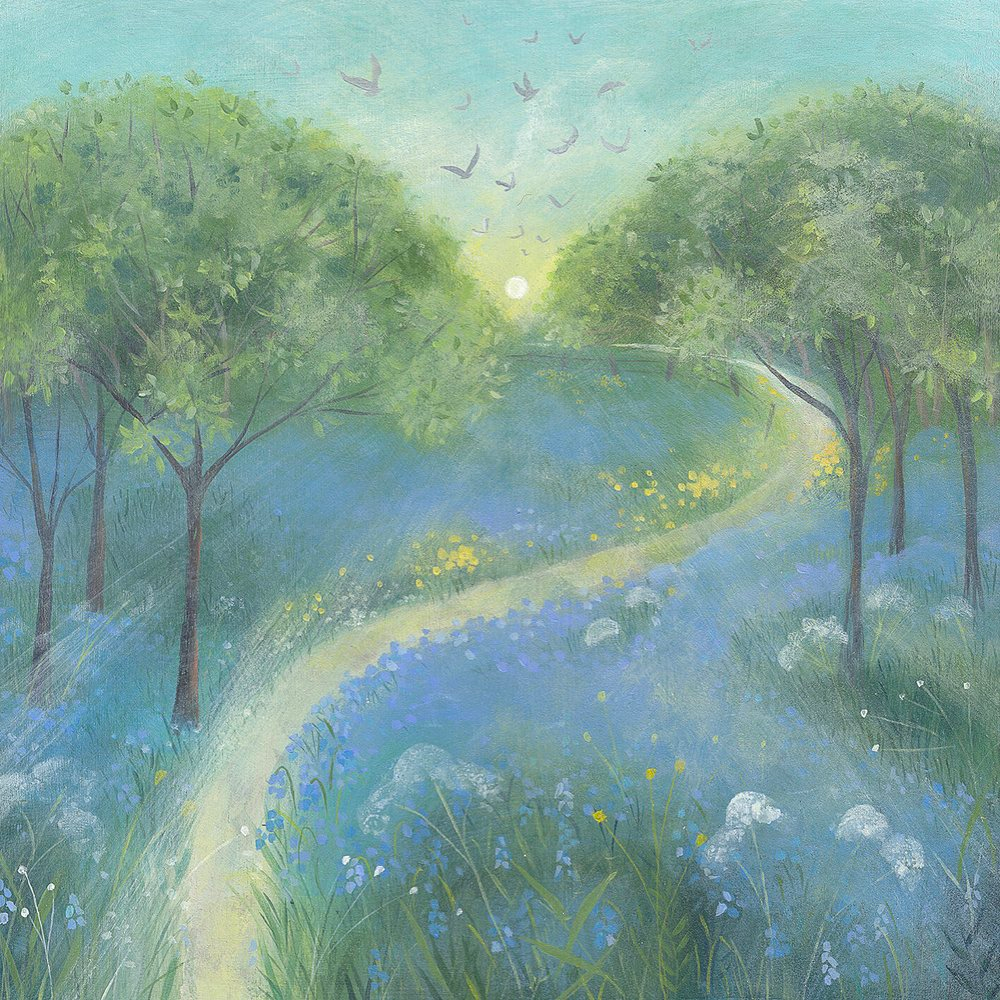
Bluebells are one of England’s favourite woodland flowers, which signal the arrival of spring. Many other wild flowers are blue including cornflowers, delphiniums and hydrangeas (though crocuses, tulips, snowdrops and daffodils are not).
All bulb flowers are toxic to humans and pets, so keep them away from flower-nosey animal friends. Read more on pet-friendly gardens.
It’s illegal to dig or destroy bluebells under the Wildlife and Countryside Act 1981.
Bluebells take years to grow from seed, so also need protection from footfall damage (so don’t walk on them). Half of the world’s bluebells are found in the UK, often in woods that transform to a ‘carpet of blue’ each spring.
Historically their (toxic) sap was used to make glue for books and arrows, and their starch used to stiffen Elizabethan collars.
Fairies, bluebells and bees!
Do you believe in fairies? If you do, these are their flowers. Also called ‘fairy thimbles’, it was thought that whoever disturbed a bluebell would receive the wrath of angry fairies. They would ‘ring the bells’ of the flowers to signal a punishment, that humans could not hear.
Another legend was that if a child picked bluebells, they would be snatched by fairies, never to be seen again.
Bees however (obviously friends of fairies!) are allowed to go near them. They bite the bottom of the bell to get at the nectar, without actually pollinating the flower. The nectar of bluebells is also essential for endangered butterflies.
Hoverflies (harmless flies that look like bees) also like bluebells. Unlike bees and wasps, they only have one pair of wings, and can’t sting.
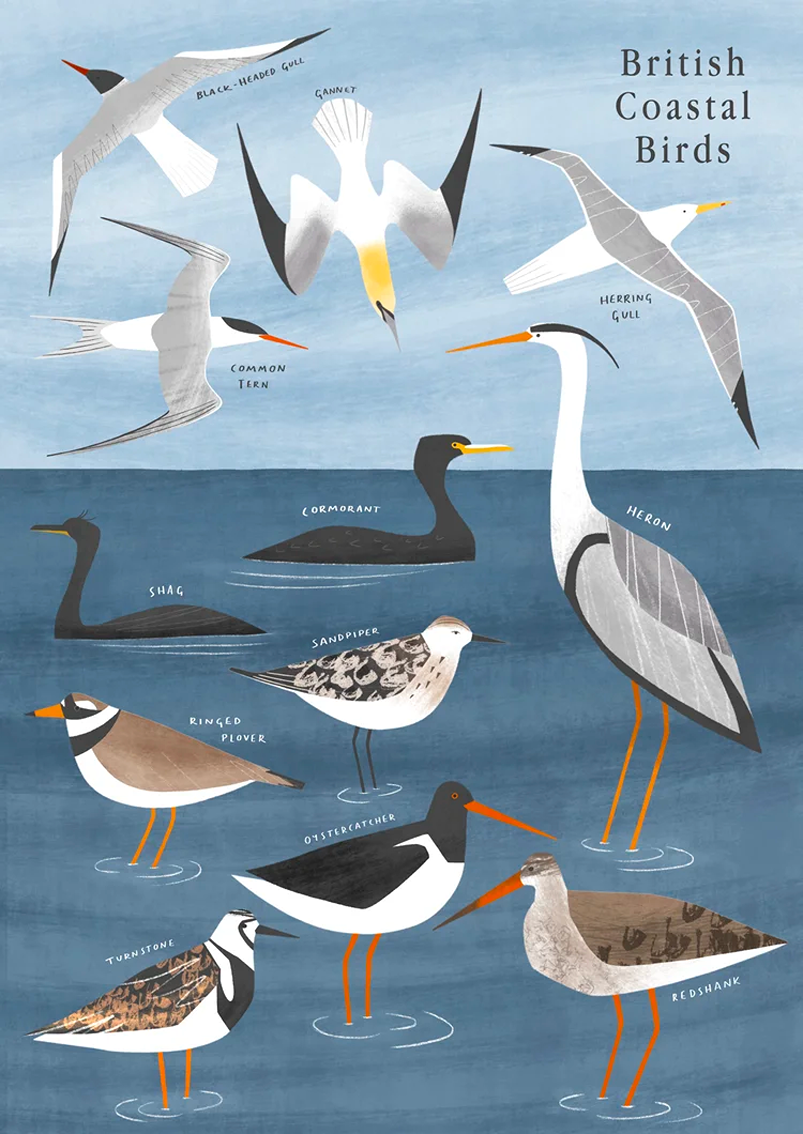
Many ancient bluebell woods in England are also home to migrating birds, who travel thousands of miles to breed (including blackcap, wood warbler, nightingale and chiffchaff).
Poetry break: The bluebells
There is a silent eloquence
In every wild bluebell
That fills my softened heart with bliss.
That words could never tell.
Anne Brontë
Other woodland flowers in England
- Lords-and-Ladies (cuckoo pint) are striking purple spiky flowers with red berries, that thrive in shady areas.
- Wood sorrel has clover-like leaves, that fold up in rain or at night. With pink/white flowers.
- Red clover is another woodland flower.
- Primrose has early yellow blooms, with vital nectar for butterflies
- Wood anemone has delicate white flowers, related to buttercups
- Wild garlic is found in shady areas with white flowers.
- Snowdrops are a sign of spring, though not native to England (more Eurasia)
- Red campions have bright pink flowers, loved by insects.
Be careful with lookalikes. Lily of the valley and autumn crocus are dangerous, and both can be confused with wild garlic leaves.
Woodland Flowers (by a woodland ecologist)
Woodland Flowers is a book on understanding the nature of our woodlands, and how they work, when we get conservation right. The author explores how woodland plants cope with living in the shade of bigger relatives and tolerate the attention of grazing herbivores.
Plus the challenges they face with face with changing seasons, and how they respond in the form of storms, fires, droughts and floods. Before working at University of Oxford’s Department of Plant Sciences, Keith Kirby worked with Nature Conservancy Council and as a woodland ecologist.
Pollinators like bees and butterflies adore bluebells, as do hoverflies (these are harmless flies that look a bit like bees, which also are pollinators and natural pest controllers). Unlike bees and wasps, they have just one pair of wings, and can’t sting.
Many ancient bluebell woods in England are also home to migrating birds, who travel thousands of miles to breed (including blackcap, wood warbler, nightingale and chiffchaff).
There is a silent eloquence
In every wild bluebell
That fills my softened heart with bliss.
That words could never tell.
Anne Brontë