How to prevent droughts in England (simple tips)

England has always had a few droughts, but with climate change and warmer weather, they are becoming more frequent. We don’t have to just deal with hosepipe bans, there are quite a few good solutions to help prevent droughts.
Most of the world’s fresh water is trapped in glaciers. So the more we save, the more there is for everyone else worldwide.
England has lots of rain, but in summer we are now seeing heatwaves and wildfires. As well as finding solutions to prevent floods, we need to find solutions to prevent droughts:
Things are now serious that sometimes birds singing in the garden are actually thirsty, asking for water. Read more on creating safe havens for garden birds. And garden water safety (children, pets and wildlife).
This is important, to provide fresh water without drowning hazards (especially for tiny creatures like bees, who need little platforms). Owls are also at risk of drowning in troughs, learn how to help wild owls.
Droughts of course also affect farmers and our food supply.
Forage Aid can supply free feed for farmers, for natural disasters (and financial difficulties).
Simple ways to save more water
- Check for toilet leaks. Most water companies offer free detection strips. If not, wipe the back of the pan with bathroom tissue (30 minutes after you flush). Then place a dry sheet on the back of the pan and leave for 3 hours. If the paper is wet, there’s a leak so have a plumber fix it.
- Read your water meter. Don’t use any water for 30 minutes then read it again. Any change again means you have a leak.
- Repair dripping taps (changing the washers can save thousands of gallons of water each year).
- If you use a bath water diverter (which syphons used water out the window), only use non-scented and non-salty eco bathroom products and keep pets away).
- Water-saving showerheads are easy to fit (use a qualified electrician). Modern showers don’t likely need them.
- Use a water butt with child/pet-safe locks. Don’t use open barrels (drowning hazard and stagnant water attracts mosquitoes).
- Use a waterless car wash (supermarket and driveway car washing, sends untreated oily water down drains, and into the sea).
- Most gardens ‘return to green’ when it rains. So don’t worry about waiting a few days. Read about pet-friendly gardens (many water-saving mulches are unsafe near animal friends).
Eat less meat and dairy
The livestock industry if very water-intensive. So eating more plants is one of the most effective (indirect) ways to save water worldwide. 90% of the UK’s water is used for agriculture (just 5% for home use).
Yet government bang on about water-saving devices, when encouraging plant-based agriculture is way better. Find lots of simple recipes to start you off!
How councils can help prevent droughts
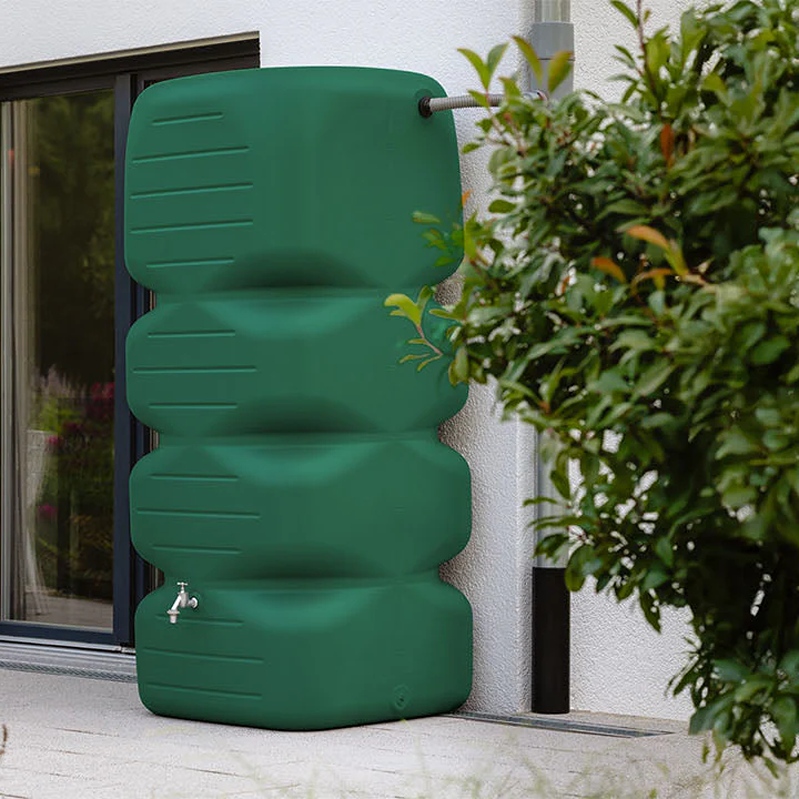
- Install rainwater harvesting systems for commercial buildings and housing blocks. And large-scale rainwater butts.
- Install low-flow fixtures, dual-flush toilets and smart greywater recylcing systems in commercial and residential development.
- Upgrade and audit pipe networks, to minimise water loss.
- Use digital meters to track usage and detect hidden leaks in real time.
- Use permable surfaces over non-porous concrete and asphalt to prevent surface run-off, so rainwater can replenish underground aquifers.
- Use drought-resistant native plants when landscaping public spaces. Ensure these use pet-friendly plants and mulches.