London Wildlife Trust (get to know your fellow neighbours!)

London Wildlife Trust has volunteers that manage free-to-access nature reserves (you can get married there, with profits helping local creatures). It’s also helping to transform London’s 3 million gardens into mini-nature reserves. Record your sightings to help them monitor welfare.
Read our native wildlife posts to find how to help by species.
Due to the recent heatwaves, there is a useful page on how to safely provide water and keep creatures cool in hot weather.
Use no-dig gardening to protect wildlife. Read up on pet-safe gardens and wildlife-friendly gardens. And how to stop bird strike. And trees to avoid near horses (inc. yew, oak, sycamore).
Foxes are perhaps some of the city’s best-known wild residents. They have adapted remarkably well to urban life and can be spotted in gardens, parks and quieter streets, particularly after dark.
Ring-necked parakeets live wild in London, due to escaping from the pet industry. Native to Africa and Asia, they nest in tree holes in gardens and parks, and can roost in noisy flocks – eating nuts, seeds, berries and fruits.
Former colleague Matthew Frith helped to turn an overgrown reservoir site in Hackney into what is now Woodberry Wetlands, a flourishing site that was opened by Sir David Attenborough. Thanks to volunteers and membership fees, it’s this kind of good that happens across London.
On a really positive note, it also has its ‘youth team’ of around 15 youngsters who are carrying the torch for the next generation of wildlife campaigners.
Some interesting completed projects

When many hands make light work, there is so much that can be done to help London’s wildlife. Here are just a few unique projects already done:
- The Lost Effra Project helped communities depave concrete landscapes and replaced them with green roofs and water butts.
- Protected London’s chalk grassland, scrub and woodland.
- New Roots – training ex-offenders in horticulture and conservation
- Turning a former ammunitions testing site into a nature reserve
- Urban urchins – recording hedgehog sitings (learnhow to help them!)
- Vole Patrol – trained 25 volunteers to monitor populations of voles, shrews and mice at woodland habitats.
London in the Wild (the book of the Trust)
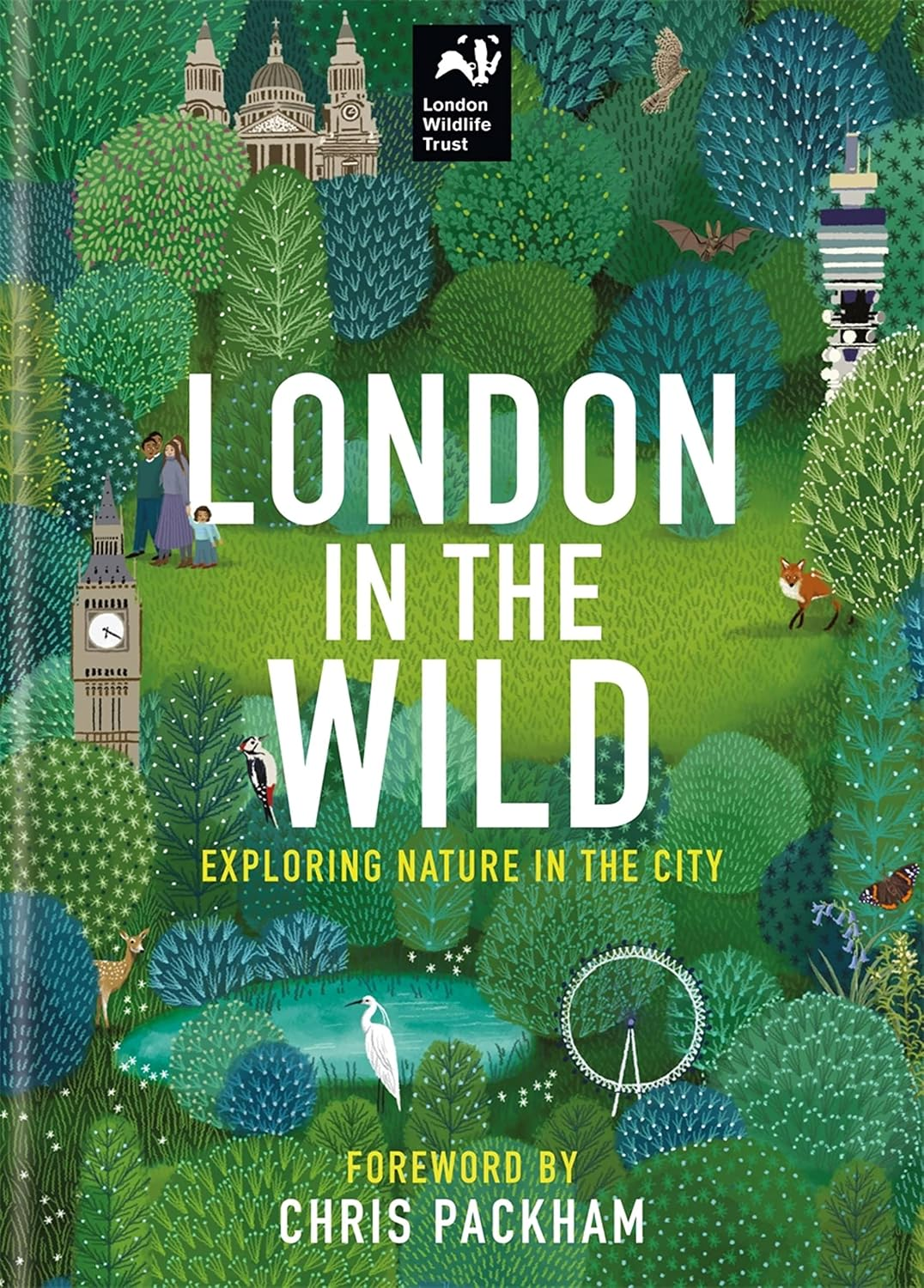
London in the Wild is a guide to a city with over 15,000 species of flora, fungi and fauna (marsh frogs, hedgehogs, short-eared owls, dragonflies, foxes, stag beetles and pigeons!) London’s 800km of surface railway lines also is home to wildlife. And learn about the daily life of a London tube mouse!