Books for Young Conservationists & Environmentalists

C is for Carbon Footprint is a lovely book for young readers, presenting the facts on carbon footprints and climate change clearly, with easy solutions to help.
Each letter from A to Z contains a lesson, on how to help improve our planet, for ideas way beyond recycling. Beautiful artwork assists the reader, to imagine a better future.
Decrease your carbon footprint with these 26 tips to become a better environmentalists and improve your lifestyle.
The book begins with Sarah Lazarovic’s illustrated ‘Buyarchy of Needs‘:
- Use What You Have
- Borrow
- Swap
- Thrift
- Make
- Buy
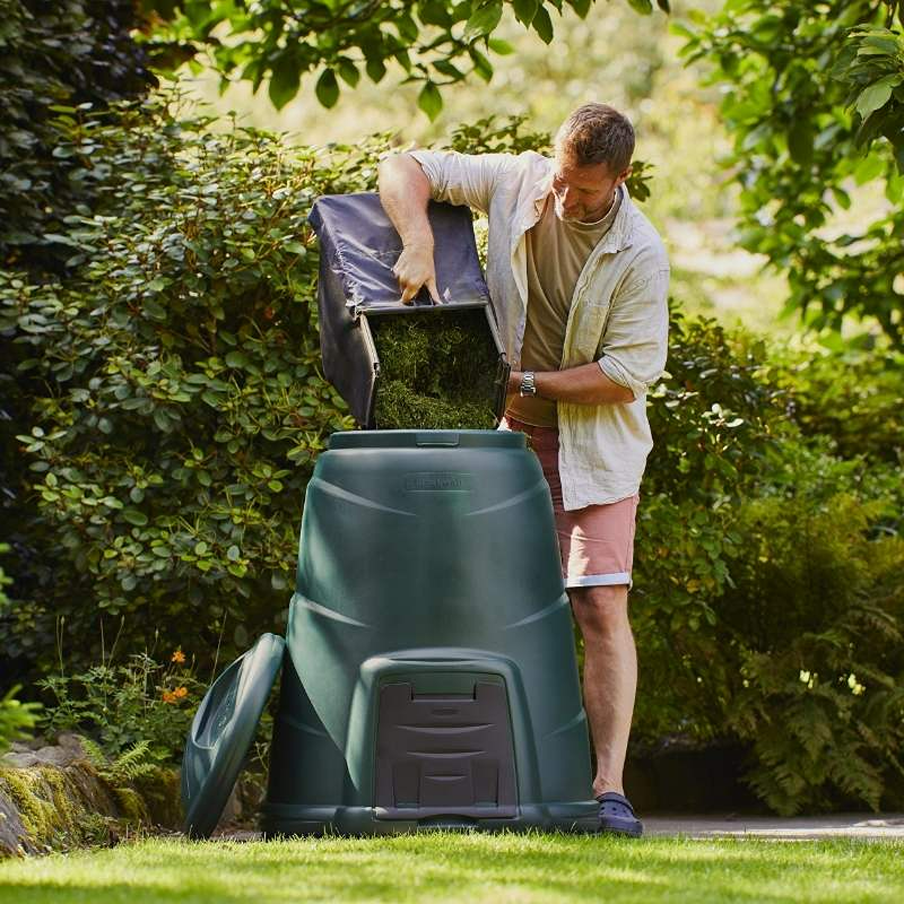
Read more on no-dig gardening and humane slug/snail deterrents. If you live with animal friends, read up on pet-friendly gardens (some recommended flowers and fruit trees are not safe). Also avoid netting to protect food (just leave some for wildlife!)
Robert Donisch is an outdoor educator and teacher, who decided to use his knowledge and experience, to write an inspiring book for young readers, on how to help the planet.
An Upbeat Guide to Tackling the Climate Crisis

Climate is Just the Start is a guide to tackling the planetary crisis by Mikaela Loach, a big-hearted and optimistic book to inspire young people to change the world.
Using personal stories, she explains the climate crisis, and writes about friends around the world who are being affected, and how they are fighting back.
Her stories (including confronting fossil fuel executives and even taking the UK government to court, for handing taxpayer money to oil and gas companies) are sure to inspire.
Mikaela also wrote It’s Not That Radical, an anti-dote to the whitewashed and greenwashed mainstream media’s response to climate change, which always focuses on capitalism due to bias and money from TV ads.
Capitalism requires there to be someone at the bottom to exploit from. It require inequality. How is that we already have so many solutions to the climate crisis that don’t compromise human rights or justice? But the only solutions being seriously considered are the ones that do?
Let young voices shape the future of green communities, making sure climate science wins out over out-dated, political data. Join your tribe!
A YouGov study found 25% of under-30s said they would never vote Labour. In the year since the general election, Labour has gone from dominating youth vote, to being a three-way race with Greens and Lib Dems. Reform (despite the headlines) isn’t even close. University of Exeter
Mikaela Loach is a climate justice activist, writer and medical student, who holds a degree in global health policy. She conducts workshops at international climate justice camps and local schools (one of which has even named a classroom after her!)
She is co-director of AWETHU School of Organising and has boldly challenged powerful entities, including taking the UK government to court in the ‘Paid to Pollute’ case in 2021.
Be the Change (make a difference in a messed up world)
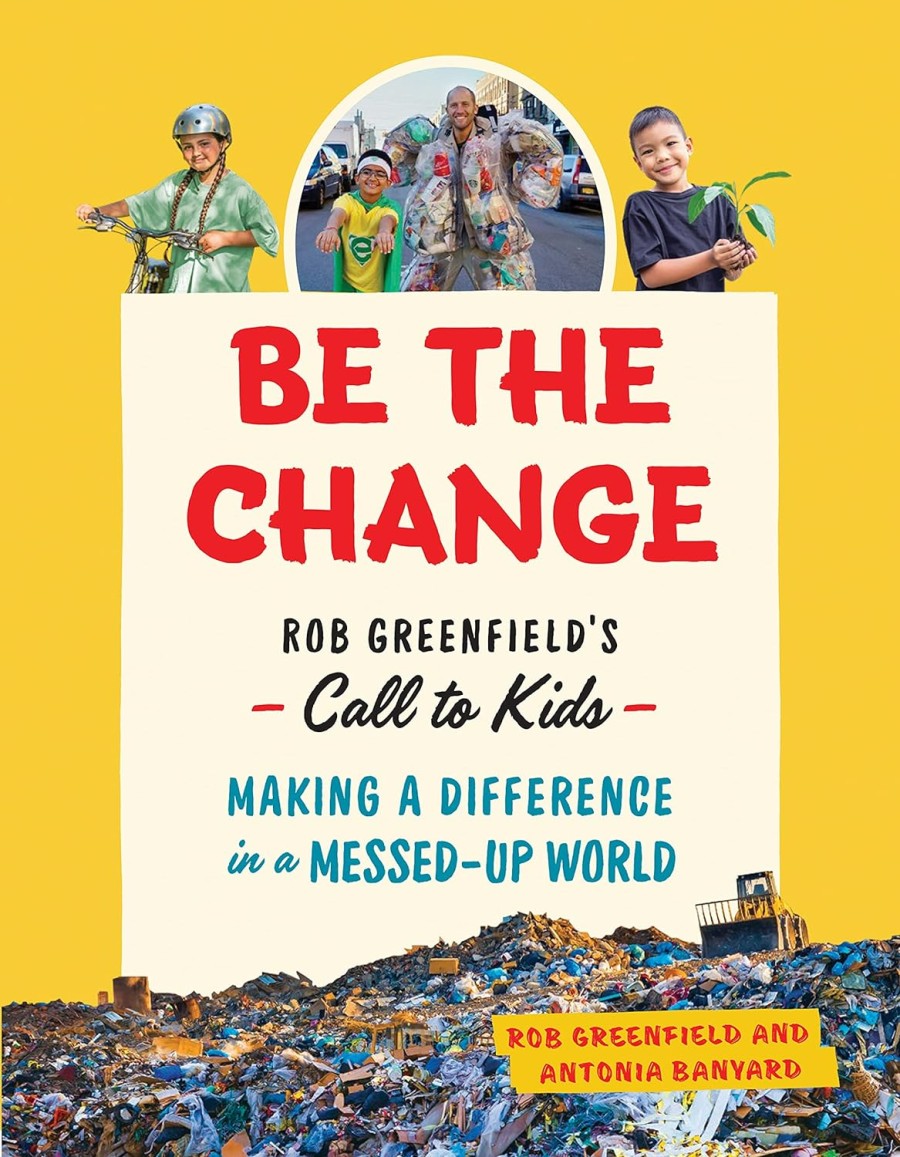
Be the Change is a guide for young readers, from activist Rob Greenfield. He’s walked around New York City (dressed in his own garbage), cycled (three times) across the USA on a bamboo bike, and survived for one year on foraged food.
The book features fun ideas to reduce environmental impact, with extensive teachings on reducing ‘stuff’, because ‘there is no away’ to throw it to! Plus readers will meet inspiring young environmentalists, including ‘minimalist teens’. For readers age 8 to 12.
You can also download a free teacher’s companion guide to the book.
I loved every page of this amazing book. Rob offers fun escapades that are also real-world ways to help a world that needs attention right now. Turns out, saving our planet is fun. I put this book down feeling fired up and full of hope. And you will too. Caroline Paul
The book version is out-of-print in the UK, but you can order the paper version from the North American publisher, if wished.

Rob Greenfield used to work in marketing, before deciding to simplify his life. Named the ‘Robin Hood of modern times’, he gives his media income to grassroots non-profits, so he does pay tax to pollute or buy weapons.
He gave up his affluent lifestyle, and cycled across the USA on a bamboo bike, drinking water from fire hoses and eating food from dumpsters. He gives away most of his income, so he pays no tax (to avoid funding weapons).
How he changed his life is quite inspiring, and maybe inspires others to do the same. He basically decided he was nowhere near living the life he wanted.
So he made a huge list of over 100 changes he wanted to make, then hung it in the kitchen, and made one positive change each week, so he changed his life completely in 2 years.
From eating more fruits and vegetables, cooking his own food, finding zero-waste alternatives to drinking filtered water. He shopped local, bought second-hand and shared with his community.