England’s Woolly Sheep (and how to help them)
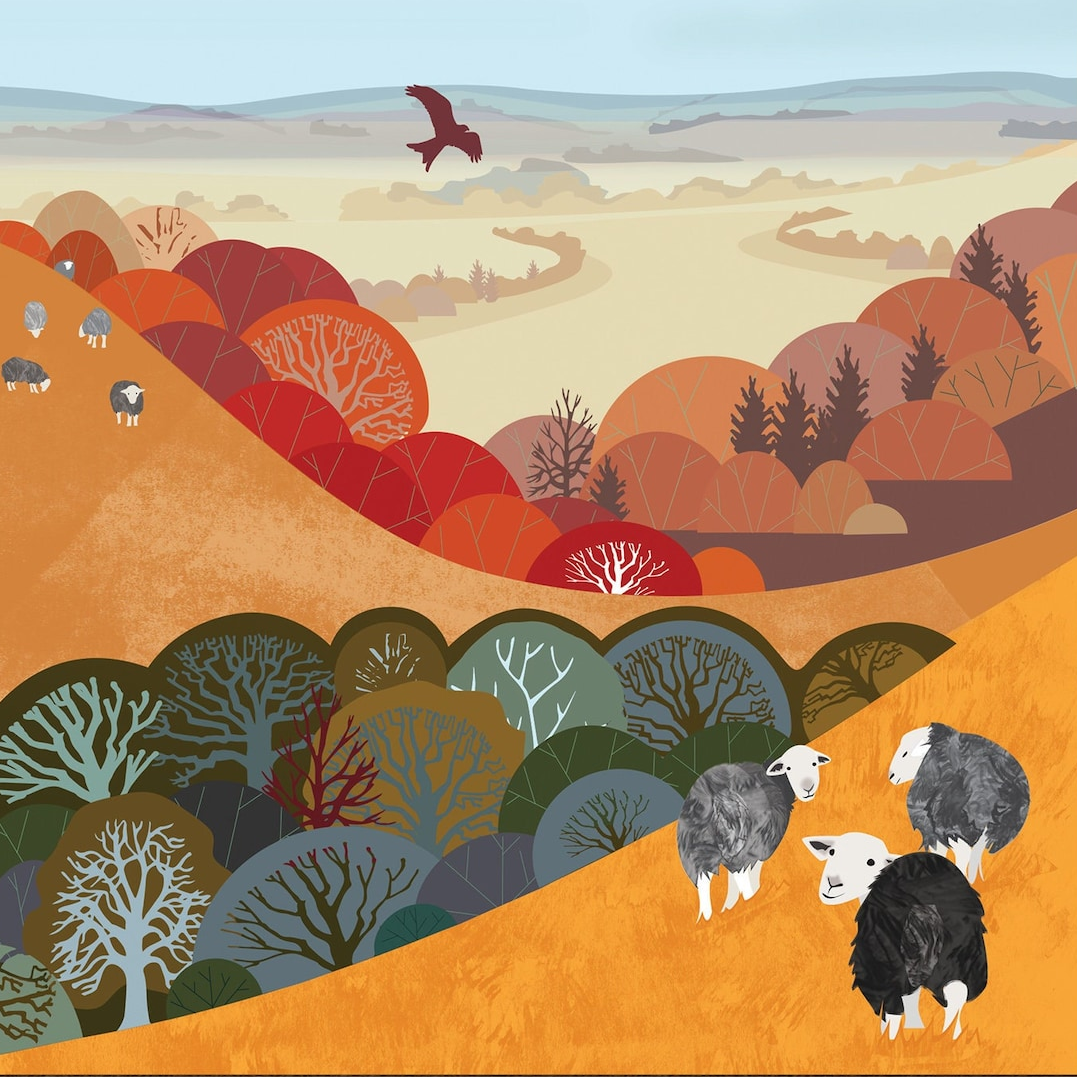
Sheep have been part of the English landscape for thousands of years. We have around 30 million sheep and lambs. They are not stupid, they are intelligent and social animals that play a key role in maintaining biodiversity, but face serious welfare issues in modern farming.
Depending on where you live or visit, will depend on the kind of sheep you see. In Cumbria, you’ll come across hardy Herdwick sheep and there are many other breeds nationwide like Swaledale. Unlike cows, sheep won’t approach to say hello, as with rectangular pupils to give vision to spot predators without turning their heads, they see you a mile off!
Follow the Countryside Code
- Follow the Countryside Code. Read our post on humane dog training, to keep dogs under control near sheep (if in doubt, don’t walk nearby).
- Put dogs on leads on Open Access land (a legal requirement between 1 March and 31 July). Safer for dogs too, as farmers may shoot dogs that worry sheep.
- Report farm animal concerns first to farmers with a friendly word. If no joy, call RSPCA (or Crimestoppers (anonymous).
How to upright an overturned sheep
Pregnant sheep (and sometimes due to wool waterlogged from rain) can sometimes roll over onto their backs, and can’t get back upright, due to having four stomach chambers (so will die if not turned back upright).
If you see a sheep on its back, just firmly right it back, then stay with it, until rain has drained off, so it won’t happen again. Then inform your local farmer.
Avoid lanolin in cereals and vitamin D supplements
Lanolin (sheep fat) is often hidden in cereal and supplements. Choose brands that don’t use it. You can now get easily-absorbed vitamin D3 from algae and lichen.
Vegan Winter Woollies!
Although most sheep need shearing to avoid over-heating (and be able to see predators), some sheep are sheared too early (leading to hypothermia) and others suffer ‘mulesling’ (having chunks of skin sliced away to prevent flystrike, without painkillers).
And many sheep are killed, when they get older and their wool production slows down). If you wear wool, choose companies that don’t kill the sheep, simply shearing the wool: like vegetarian wool or sheepskins.
Rapanui makes warm thick organic jumpers, which are as warm as wool. Suitable for vegans or anyone concerned over sheep being
Useful resources for sheep farmers
- Mudcontrol can turn dangerous muddy ground, into safe paths.
- Sheep Veterinary Society has info on preventing and treating foot rot. You can take vet-endorsed courses for farmers at Homeopathy at Wellie Level.
- The Farming Community Network has helplines for struggling farmers. And can provide free feed and help with finances and tenancies.
- The Transfarmation Project can help with setting animal farmers up with free feed and advice to grow oats (a very profitable growing market, due to oat milk). Cherished family farms can then thrive, with remaining animals living lives in peace.