England’s Winter Season: What to Expect

Winter in England brings a unique blend of chilly weather, short days, and rustic charm. From early December to late February, the country slows under frosty mornings and the scent of fires in the air.
Whether you’re visiting or living here, knowing what winter holds helps make the best of this cold season. Here’s what to expect when winter settles across England.
Never use snow globes near children or pets, they contain lethal antifreeze, if smashed.
If walking dogs in snow, always rinse and dry paws with lukewarm water after, as rock salt can burn inside at higher temperatures.
Winter’s Song: A Printmaker’s View

Winter’s Song is a beautifully illustrated pocket hardback guide to the season of winter. This really is something else, a delightful gift for someone you love, or for yourself as bedtime reading. The author reflects on this season of new life, as it transforms around her. She takes in landscapes across the land.
From her home garden studio in England’s smallest county of Rutland to the low-lying Suffolk marshlands and the windswept hills of Yorkshire. And even to the wildness of Scotland, over the border.
Read our posts on keeping safe in snow and frosty mornings.
The inspiring prose, make this the perfect read:
When the snow falls quickly, it brings dramatic change. Hare, rabbit and bird tracks become visible in the lanes and fields.
You can buy all four books as a gift quartet.
Angela Harding is a professional printmaker, whose unique style has become immensely popular in England. She works from a studio in her garden in a Rutland village.
You may recognise her work from illustrating books for several authors including Miranda Krestovnikoff, Isabella Tree and Simon Armitage.
Wintering: The Power of Rest in Difficult Times
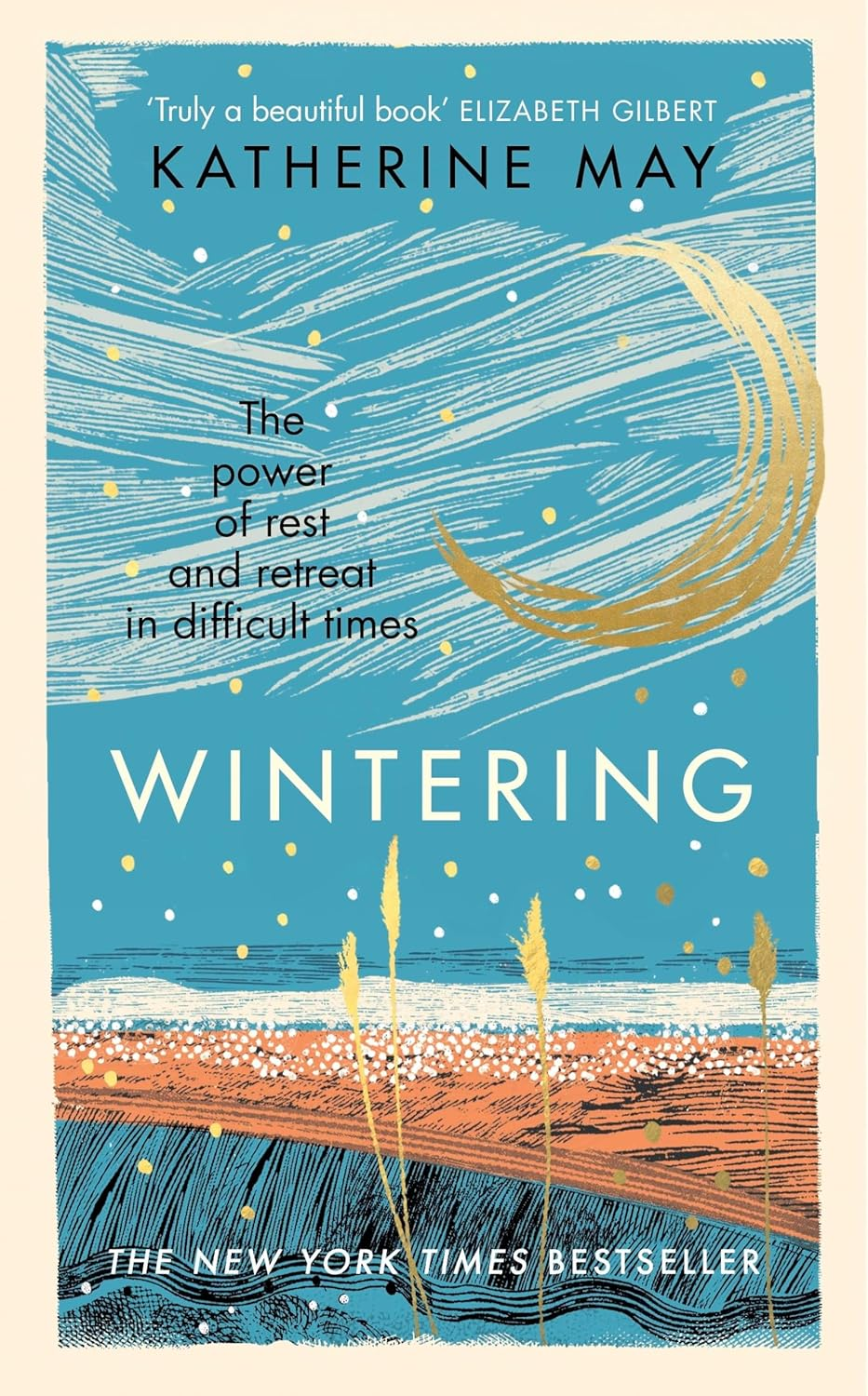
Wintering is a comforting meditation on the periods of life, when we must retreat to care for and repair ourselves. The author thoughtfully shows how to come through these times with the wisdom of knowing that, like the seasons, our winters and summers are the ebb and flow of life.
Read our posts on keeping safe in snow and frosty mornings.
A moving personal narrative on the transformative power of rest and retreat, illumination emerges from many sources, not least the hibernation of creatures like sleepy dormice.
Plants and animals don’t fight the winter. They don’t pretend it’s not happening, and attempt to carry on living the same lives they had lived in the summer. Winter is a time of withdrawing from the world, and vanishing from sight.
But that’s where the transformation occurs. Its’ a time for reflection and recuperation, and for putting your house in order. Slowing down, getting enough sleep, resting.
This is an invite to accept sadness, and find nourishment in deep retreat, and joy in the hushed beauty of winter, and an understanding of life as cyclical.
May thoughtfully examines the emotional, spiritual, and geographical reality of the cold times, the dark days, and those periods of our lives when things are neither soft nor easy. In so doing, she offers a great and humane service to her readers: she shows us that wintering cannot be avoided, but need not be feared. Elizabeth Gilbert
Katherine May is a renowned writer and speaker, whose work touches on nature, slow living and spiritualty. She is author of the popular Substack newsletter The Clearing. She lives by the sea in Kent, and loves walking, sea-swimming and cooking feasts.
A Warming Dictionary of Winter Words

A Winter Dictionary is a beautifully written guide to warm the coldest of hearts, as the nights drawn in and the cold descends. Including an incredible array of words to superbly capture the season, this is ideal indoor reading.
Discover rare, fascinating and forgotten words on winter months. From frost dogs (tiny frozen particles of falling snow) to chibbly (crisp with frost).
Read our posts on keeping safe in snow and frosty mornings.
A Few New Dictionary Words to Learn!
Abscission – the process by which a leaf detaches from its tree in autumn
Afterlight – the glow that remains in the sky, after the sun has set
Blewse – a blueish morning’s mist
Chirming – the subdued twittering of birds before a storm
Cosmognosis – the instinctive force that tells an animal when and where to migrate
Erythrophyll – a natural pigment that turns leaves red in autumn
Wedge – the v-shaped line formed by geese in flight
Paul Anthony Jones is the author of several books, and has contributed to the online Oxford and Cambridge dictionaries. He lives in Newcastle-upon-Tyne.
When is Winter in England?
Winter in England runs from December through to February. The coldest weather often hits between late December and mid-February.
Snow can arrive at any point, though it’s not guaranteed every year in all areas. Days are shortest around the middle of December with the solstice, so expect long, dark evenings and limited daylight.
Snow and Cold Temperatures
Expect cold snaps with temperatures often dipping below freezing, especially at night. Snow does fall in England, but how much you see depends on where you are. Read our post on keeping safe in the snow (people, pets and wildlife).
The north and higher ground receive more snow, while southern areas get it less often. Rain, frost, and chilly winds are common, making layers and a sturdy coat must-haves.
Shorter Days and Longer Nights
Winter days are brief. In December, daylight in London can last fewer than eight hours. You’ll wake to darkness and see the sun set by mid-afternoon.
Many find this change tricky, especially if working indoors or travelling. Streetlights and building decorations try to brighten the early dark.
Animals Hibernating
Many English animals slow down for winter. Hedgehogs, dormice, and bats hibernate, sleeping through the worst of the cold. Birds flock together for warmth and food, while deer and foxes stay active, changing routines to cope with the chill.
Ponds often freeze, and smaller animals look for shelter and food scraps.
Seasonal Fruits and Vegetables
Root vegetables reach their peak in English winters. Potatoes, carrots, parsnips, turnips, and swedes fill market stalls. Hardy greens like kale and cabbage are staples.
Apples and pears picked in autumn often last in storage through much of winter. These fruits and vegetables fill warming dishes like stews and soups.
How to Keep Healthy
Coughs and colds spread easily in winter, with people spending more time indoors. Eating well, wrapping up warm, and staying active help avoid illness. Public indoor spaces become popular for meetups and exercise, including gyms and swimming pools. Lots of people take daily walks for fresh air when the weather’s clear.
The Winter Blues
The lack of sunlight can affect mood, leading to winter blues. Some find themselves feeling tired or gloomy, especially in January. Opening curtains, sitting near windows, and spending time outdoors on sunny days helps many cope. Some use light therapy or boost vitamin D with supplements when the skies stay grey.
Safe Travel Tips
Icy roads and unpredictable weather make travel trickier. Trains and buses keep England moving, though winter delays do happen. It pays to check travel updates, pack extra layers, and allow time for journeys. Rural areas may get snowed in for a short while, but main roads clear fast. Most cities stay accessible throughout.
Cheaper Holidays
Winter often means lower prices for hotels and attractions outside Christmas and New Year. Popular tourist spots, like the Lake District or Cotswolds, stay quieter. City breaks in places like London or York are more affordable midweek. Christmas markets draw crowds, but outside these big events, you’ll find smaller crowds almost everywhere.
England in winter feels like a different world. The air sharpens, streets sparkle with festive lights, and countryside views transforms with mist and frost. It’s time to get out your vegan winter woollies!

A Field Guide to Winter asks children to:
- Track paw prints through the snow
- Identify evergreen trees
- Discover how snowflakes form
- Learn why some animals hibernate
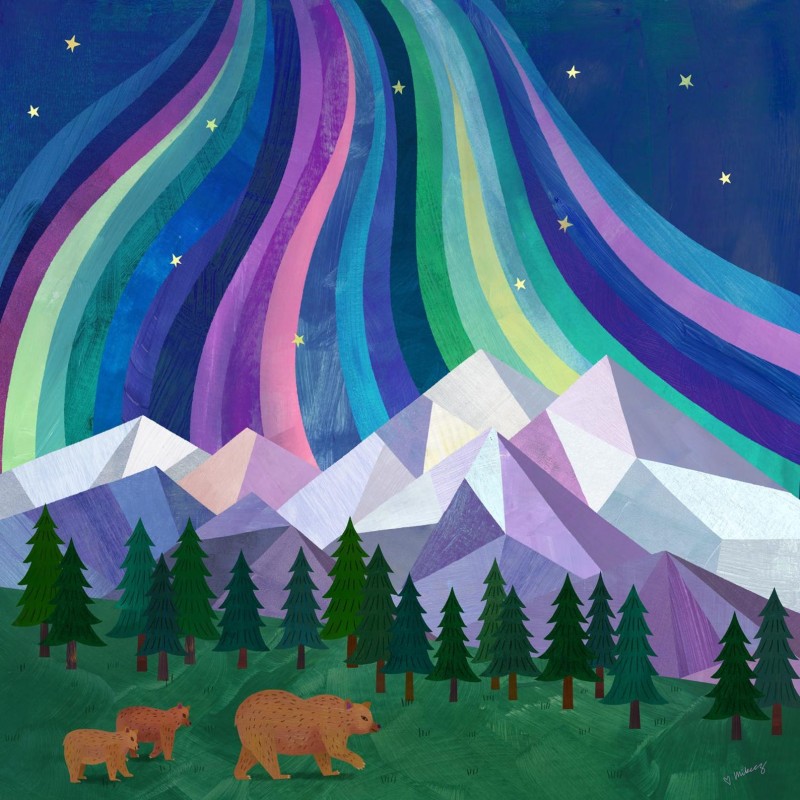
- Write a bedtime story for a sleepy bear!