Everything You Want to Know About Snow!

England does not get as much snow as it used to (more common in January and February than at Christmas, especially in northern mountain regions). But there’s nothing more beautiful than soft whispery snow falling from the sky, leaving a blanket of white.
Read our tips on keeping safe in the snow (for people, pets and wildlife).
Snow is simply frozen water vapour, which then forms ice crystals in cold air. When they stick together, they tumble from the clouds to the ground as snowflake (each one a unique piece of nature’s art, affected by air temperature and moisture, to produce different patterns and sizes).
Snow is not just pretty, but forms a protective blanket for soil (stopping frosts from harming roots of trees and plants, so they can survive until spring).
Some creatures (like ladybirds) shuffle under leaf litter below snow, using its insulation to stay safe from cold outdoor air. Also read about England’s frosty mornings.
Is snow white? Not always, it simply looks that way, due to scattering wavelengths of light, rather than absorbing them. It’s more translucent (same with polar bears, their fur is translucent, not white). In some areas, algae can cause snow to absorb other colours, so can even be blue or ‘watermelon’ pink.
Are all snowflakes unique? Yes. The path and conditions of each one, gives a different shape. But all snowflakes have six sides (hexagonal).
It’s rare to get a ‘white Christmas’, because it’s more likely to snow from January to March, than December.
Where are England’s Snowiest Places?
England gets less snow than it used to (climate scientists say we may not have any snow by the end of the 21st century). Though at present, it still receives around 13 days of snow each year. Not surprisingly, this is more in the north (especially the Pennines and County Durham).
The Big Freezes of 1963 and 1947
In 1963, England was covered in a blanket of snow for three months. The Big Freeze began on Boxing Day 1962 and led to plummeting temperatures and tragedy (120 people died, half our bird population died, and even livestock starved as farmers could not reach them to deliver feed).
Caused by a high-pressure bringing bitter winds from the Arctic, this was the coldest winter in the UK for over 200 years, with many rivers and seas freezing. Road and rail travel becoming almost impassable due to snowdrifts (even deliveries of milk and coal were affected, and telephone lines were brought down).
In 1947, the North Wales town of Denbighshire had the largest snowfall ever recorded. Likewise, it brough similar issues (people had to climb out of upper-floor windows to escape their homes). Although the military was making vital food drops, the government was criticised for how it handled the crisis (including rationing electricity to 19 hours a day).
The weight of the snow was so severe that the roof of the Sophia Gardens pavilion in Cardiff collapsed, and the mid-March thaw caused flooding.
So although snow is beautiful, freak weather is not. We are now seeing more freak weather due to climate change.
So it’s not ‘just fun’ when people like Nigel Farage and President Trump deny what climate scientists say is real. It heeds to pay attention to science, not political rhetoric.
Tips to Keep Safe in England’s Snowy Weather

Snow is beautiful, but can sometimes be dangerous. Here are a few simple tips to keep safe when the weather is snowy – for people, pets and wildlife. Also read tips about England’s frosty mornings (keeping plants safe, defrosting your car without chemicals).
Walk Safely on Snow and Ice
Obviously if you don’t have to, then don’t. But if you have to walk on slippery icy ground, it’s best to ‘walk like a penguin:
- Move slowly with small shuffling steps
- Keep your feet pointed slightly outward.
- Keep your knees bent.
- Hands out of pockets (use arms to balance)
Doing the above lowers your centre of gravity, to increase stability and reduce the risk of falls. You can also wear ice grips on shoes or boots.
It’s best to avoid rock salt, as it’s toxic and can harm pets and wildlife.
Safer alternatives are EcoGrit or ice and snow melting systems (used commonly in Scandinavia), that are used in public areas like car parks, to melt ice and snow, using temperature and moisture sensors.
If you have to drive, use an ice-scraper to clear snow and ice from your windows, light and mirrors. Drive slower than usual, leaving more space between your cars and others, and keep both hands on the wheel.
Stay Warm and Avoid Hypothermia
Wear several layers of clothing (this traps body heat better than one big coat).
Hats, scarves, socks and gloves help protect skin from cold and air (change wet clothes as soon as you can, as they pull warmth from your body).
Use oil-powered radiators over convector heaters (these are not just expensive, but blow out hot air that could cause heatstroke in people and pets. Radiator boosters stop ‘hot air going outside walls into the fresh air’ to keep homes warm, and reduce bills.
The Lullaby Trust has safety information on baby clothing (and bedding). Mostly to not over-heat (babies control temperature through their head and face).
Don’t let babies sleep in car seats (remove hats, socks and cardigans, when moving to warmer temperatures, including in vehicles).
Keeping Pets Safe in the Snow

Most dogs love the snow! Keep walks short and once inside, rinse paws with lukewarm water to remove snow (and rock salt that may have tracked indoors). If your dog has short fur (and doesn’t mind wearing one), a quality dog coat can help to keep warm.
Just like never leaving pets in warm/hot cars, never leave them in cold cars as temperatures can quickly drop (changes in skin colour or pain on ears, paws and tails could be frostbite, a vet emergency).
For outdoor animals, check drip-feed bottles are not blocked or frozen (or bowls not knocked over). Read tips on winter care for rabbits,guinea pigs and chickens/roosters.
Novelty snow globes may look pretty, but contain pet-lethal antifreeze. This can harm pets, wildlife and children. Keep them safely away (or wrap securely in thick newspaper paper, and bin). Use paper towels (and unscented cat litter or sand) to absorb any liquid from broken snow globes.
Keeping Wildlife Safe in Snowy Weather
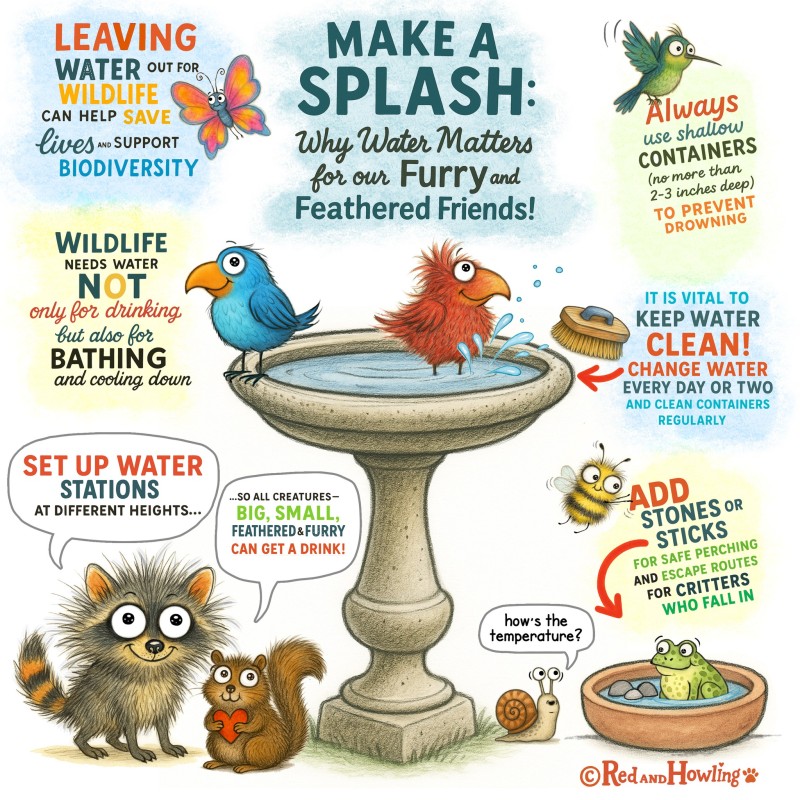
Wildlife often rely on clean fresh water in gardens, and bird baths or ponds can freeze in cold and snowy weather. Read our posts on:
- Garden water safety
- Safe havens for garden birds,
- Wildlife-friendly ponds (avoid netting)
If your pond freezes in cold weather, never pour boiling water on it nor smash the ice, this could shock creatures to death underneath. Instead, place a hot pan over one corner until it has melted a hole, to provide oxygen until the weather warms.
Solar pumps help prevent ponds freezing over, by circulating the water and creating an opening for gas exchange.
Build Your Own Snowman (expert tips)
If the weather is cold enough, you are likely going to be tempted to build your own snowman! But just like building sandcastles, there are rules (it’s science!) If you don’t follow them, your snowman may well prematurely melt away.
Read our tips on keeping safe in the snow (for people, pets and wildlife).
Snow has different temperature and moisture, so expert ‘snowman builders’ say that’s best to build one with moist or wet snow (this creates ‘free water’ between the ice crystals, that will ‘glue’ your snowman together’). This usually means freshly fallen snow, so get outside quick to build him!
Also build your snowman on level ground (but not on driveways as tarmac absorb heat, and your snowman will melt quicker than normal).
Try to build him in a shady area too, so he won’t melt at the first sunlight. Making his base much bigger than his head, will also help!
We’re walking in the air
We’re floating in the moonlit sky
The people far below
Are sleeping as we fly.Walking in the Air, Aled Jones (The Snowman)
Books to Read When It’s Snowing Outside!
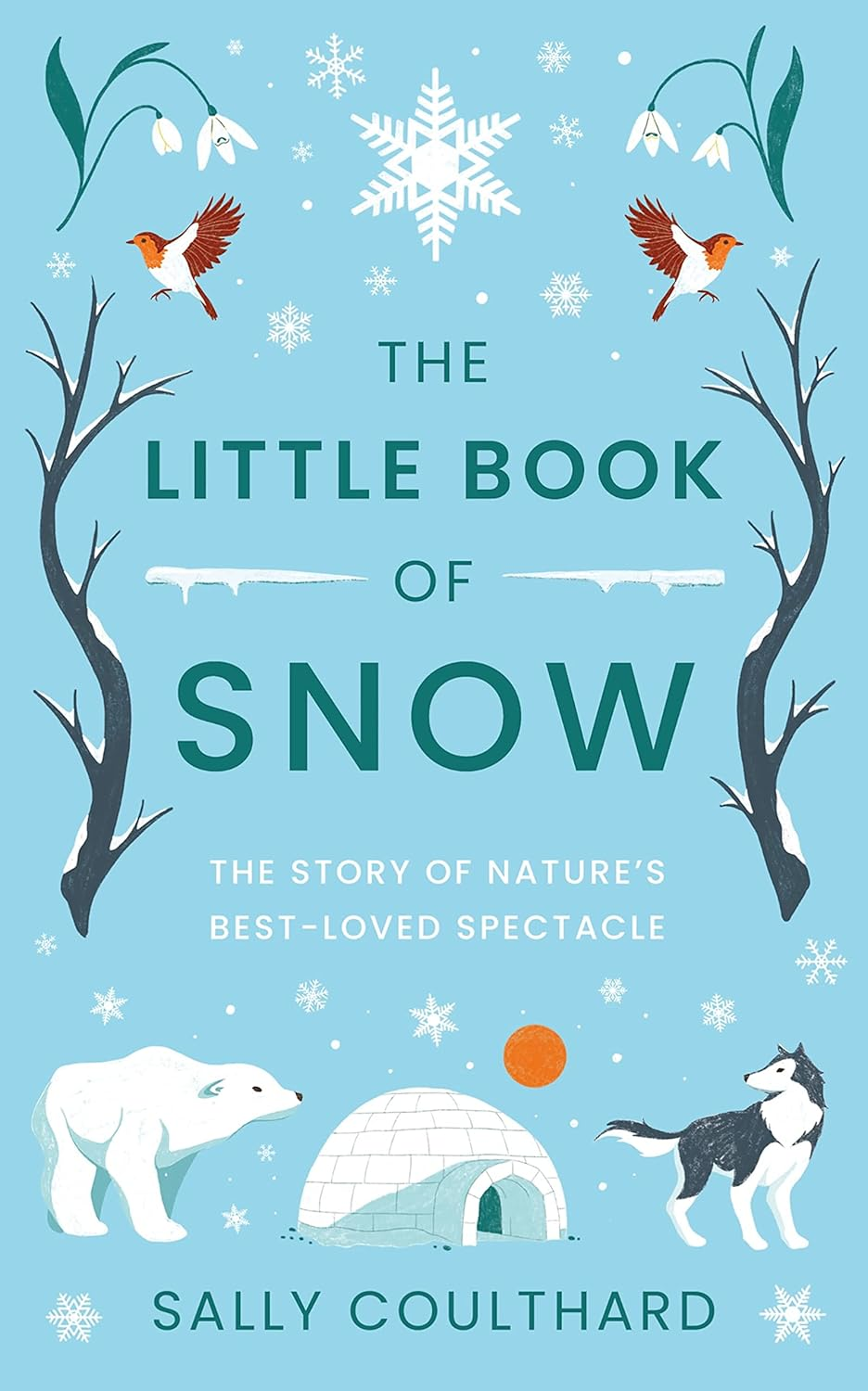
Snowing outside? If you don’t fancy going out and prefer to stay in today or this evening, read one or more of these cosy books!
The Little Book of Snow is a lovely book of with fascinating insights, cultural lore and traditional wisdom about snow that falls from the sky.
- Is it true that no two snowflakes are the same?
- How many white Christmas days have we had?
- Do Inuits have dozens of words for snow?
- Can it ever be too cold to snow?
How A Hermit’s Snow Records Helped Climate Science

The Snow Man is a fascinating children’s book, telling the true story of a hermit, who ended up being the source of knowledge for climate change scientists. Living alone in the mountains, his hobby of measuring snowfall, lead to ground-breaking data, that is now used to track temperatures worldwide.
Meet The Beautiful Endangered Snow Leopard
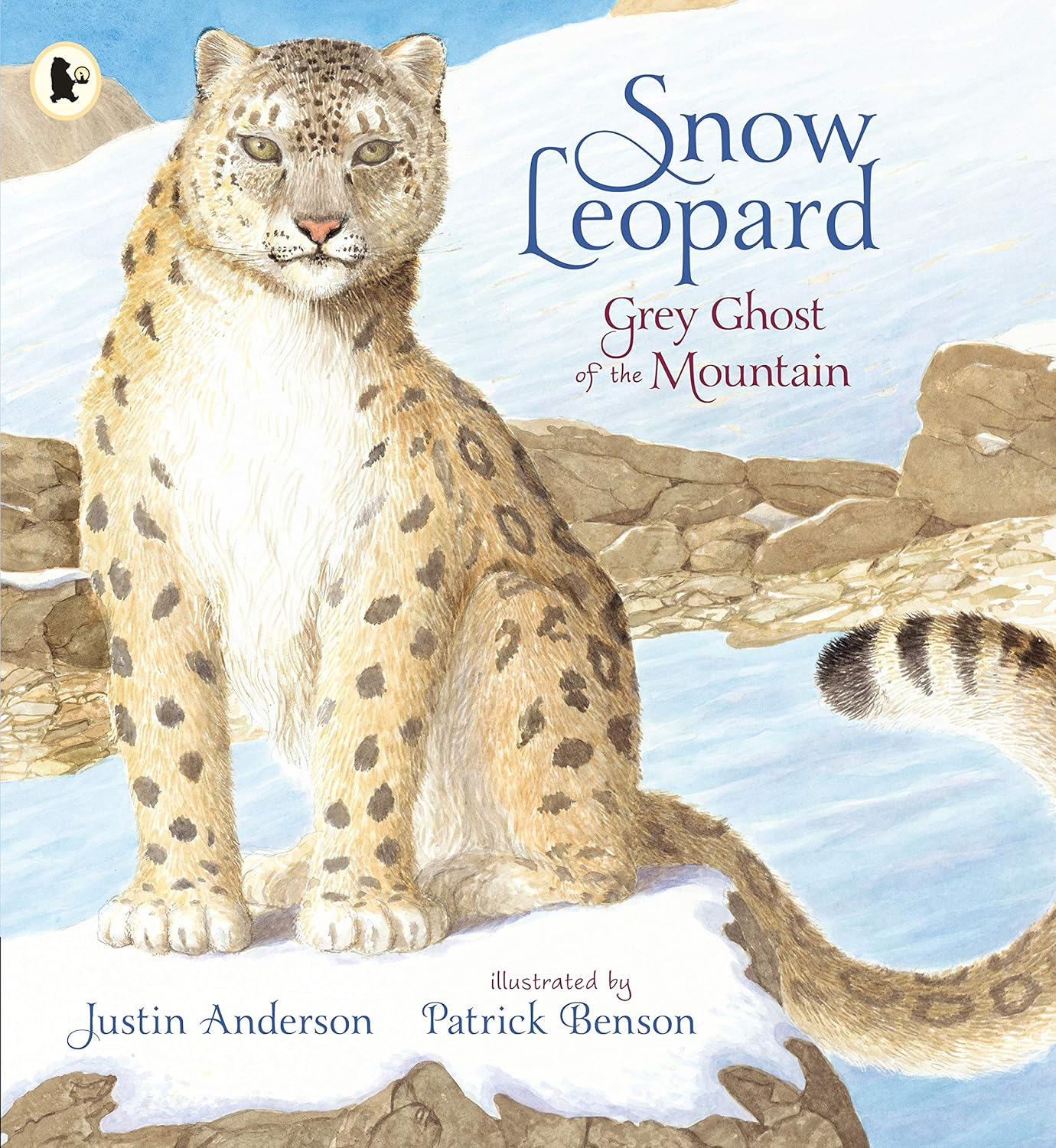
Snow Leopard introduces us to a rare endangered big cat, who loves the snow! He uses his huge feathery insulated paws to silently stalk prey in the mountains of Asia. Join this amazing creature high into the snowy peaks of the Himalayas, includes conservation notes.