Foraging for Wild Food (leave some for wildlife!)
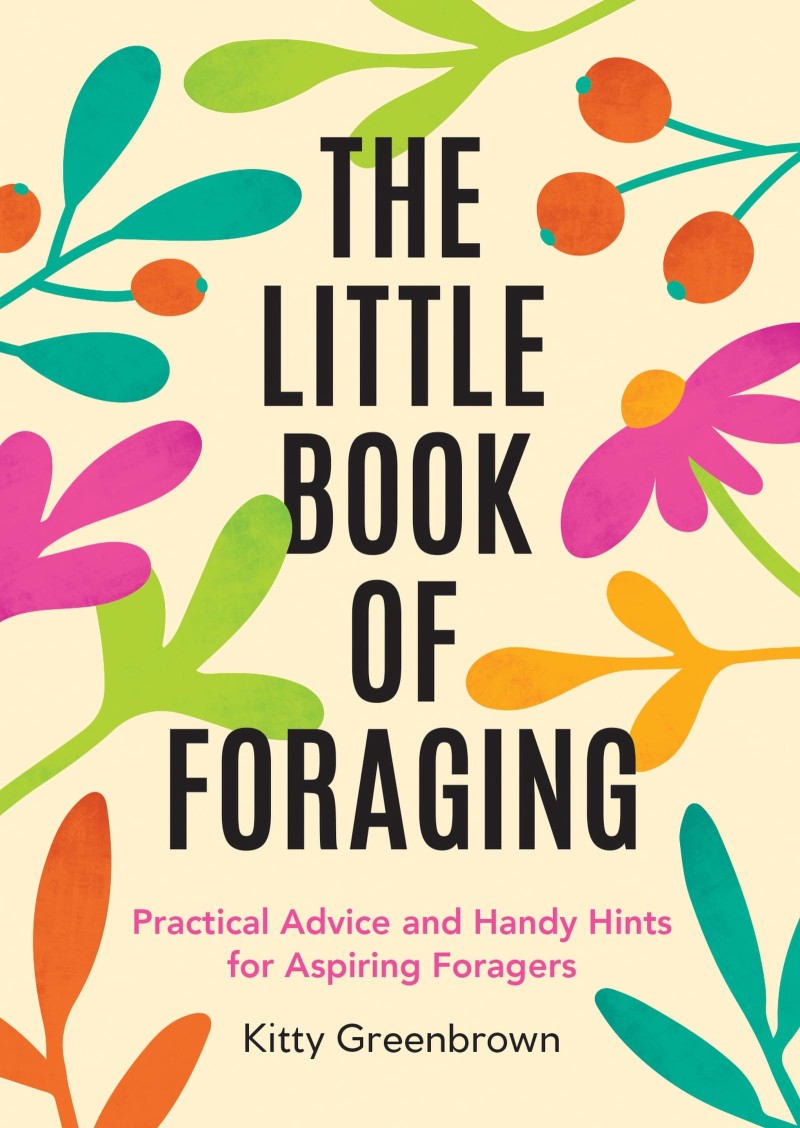
Foraging for free wild food is quite the hobby in England, and it’s a great way to enjoy finding delicious foods like blackberries, but it’s important to do it safely, and to avoid toxic plants (some mushrooms can kill you!)
If foraging for food from hedgerows, only take what you need to leave the rest for wildlife – leave nettles with ‘tiny alligators’ (young ladybirds) alone until they’ve grown and flown.
Most hedgerow plants are poisonous to pets (fruit pips/seeds, elder, borage, mushrooms etc). If you use conkers, keep them away from pets (oak trees are also toxic to horses).
Leave seaweed harvesting to experts (who just ‘give it a haircut’). Keep seaweed away from pets, it can expand in the stomach.
It’s also best to avoid picking plants near busy roads or industrial sites, as they may contain chemicals from pollution and road traffic.
Carry a first aid kit to deal with minor scrapes or insect bites. Also carry a tick remover (check your body, clothes and hair, after walking through long grass or woodland). Keep a bottle of water handy to stay hydrated.
Sharing Free Food with Birds and Wildlife

Foraging for wild food is not about ‘gathering as much as you can’. It’s about only taking what nature can spare, as wild food also supports native birds and wildlife (endangered dormice need all the hazelnuts they can get).
If you do forage for food, take only a small portion from one area, and avoid uprooting the entire plant. Leave the seed heads and roots intact, and respect rules for protected and rare species.
Three Beginner Guides for Foraged Plants
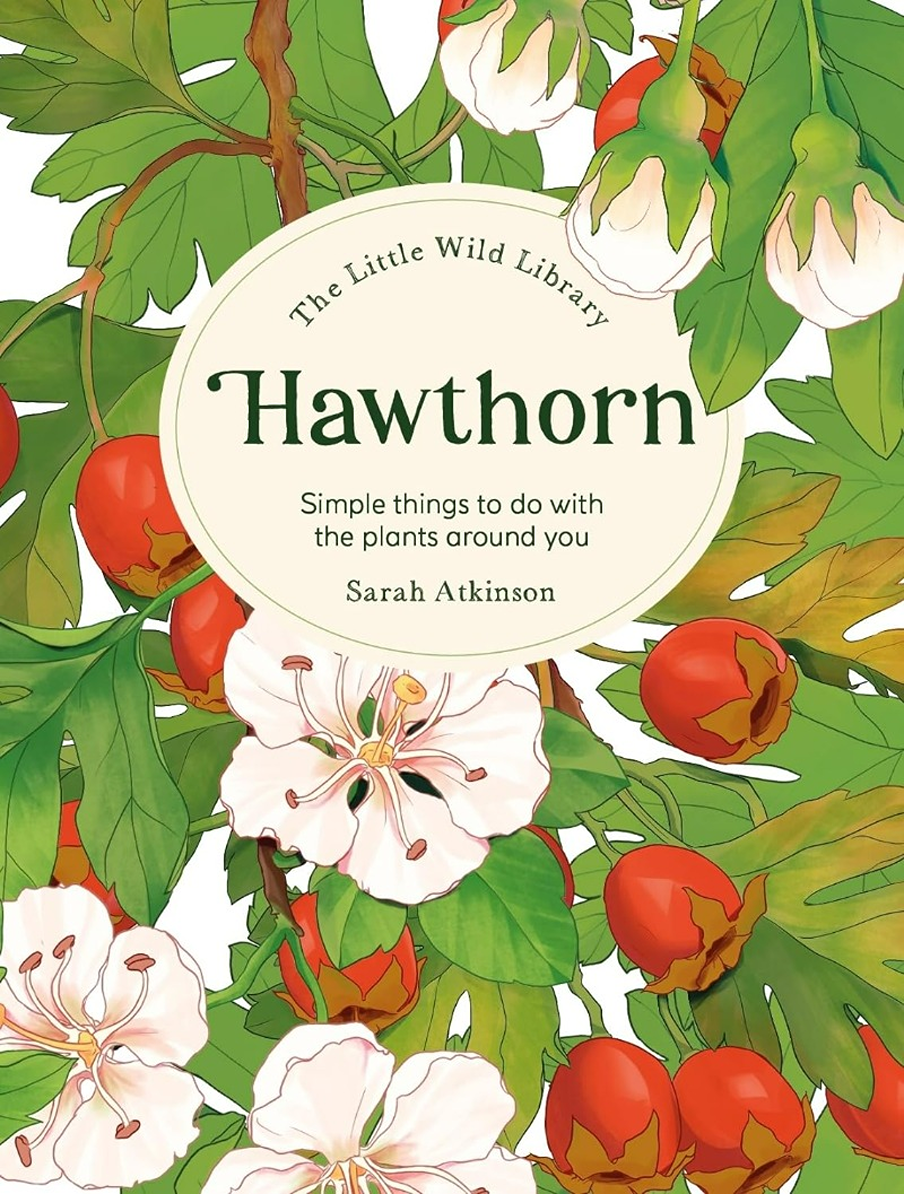
The Little Wild Library: Hawthorn is a guide to our old ‘May tree’ with tiny white flowers that herald the beginning of spring. Learn how to identify a hawthorn tree and its hedgerow friends. The author is a medical herbalist with over 30 years experience, who runs a holistic garden in the Lake District.
The Little Wild Library: Wild Rose profiles a beautifully scented plant loved by wild bees. Make recipes and tinctures from foraged wild roses, and learn how the wild rose got its name.
The Little Wild Library: Elder profiles the tree that signals summer, with blooms emerging in late spring and filling hedges and pathways with glorious fragrance. Rich in vitamin C, learn how to make romantic elderflower champagne! All parts of the elder tree are poisonous to pets.
Books to Learn About Sustainable Foraging

Foraging with Kids (also a good book for adults) is a guide to 52 native plants to forage, along with a seasonal calendar, to know what to look for each month. Foraging finds in the book include crab apples, wild cherries, blackberries and bilberries, wild raspberries, blackthorns (sloes), wild plums and damson, elder and hawthorn and rowan and wild roses.
The book also includes chapters on weeds (dandelion, burdock, chickweed and sorrel), mushrooms and plants that smell (or look like) garlic and mustard. The author teaches foraging in the Welsh Brecon Beacons.
The Complete Foraging Guide for Families includes information on safe parts of plants and fruits to eat. The authors’ other book Knowledge to Forage includes a monthly calendar of 80 wild edible plants, trees and mushrooms (and a section of toxic plants to avoid, including photos of ‘possible lookalikes’).
Nettle Power is a colourful guide to the healing and culinary uses of the protein-packed plant that is beloved by foragers and herbalists (the sting is easily removed by blanching). Keep stinging nettle away from pets.
Common in English gardens, hedgerows, fields and forests, nettles prefer damp fertile ground and are also loved by caterpillars, butterflies and ladybirds (who feast on aphids that live on them). It’s a myth that dock leaves neutralise the sting of nettles (as sap is also acidic). But dock leaves are important food for small copper butterflies, so should be left alone.