Apps To Share Leftover Food (and other items)
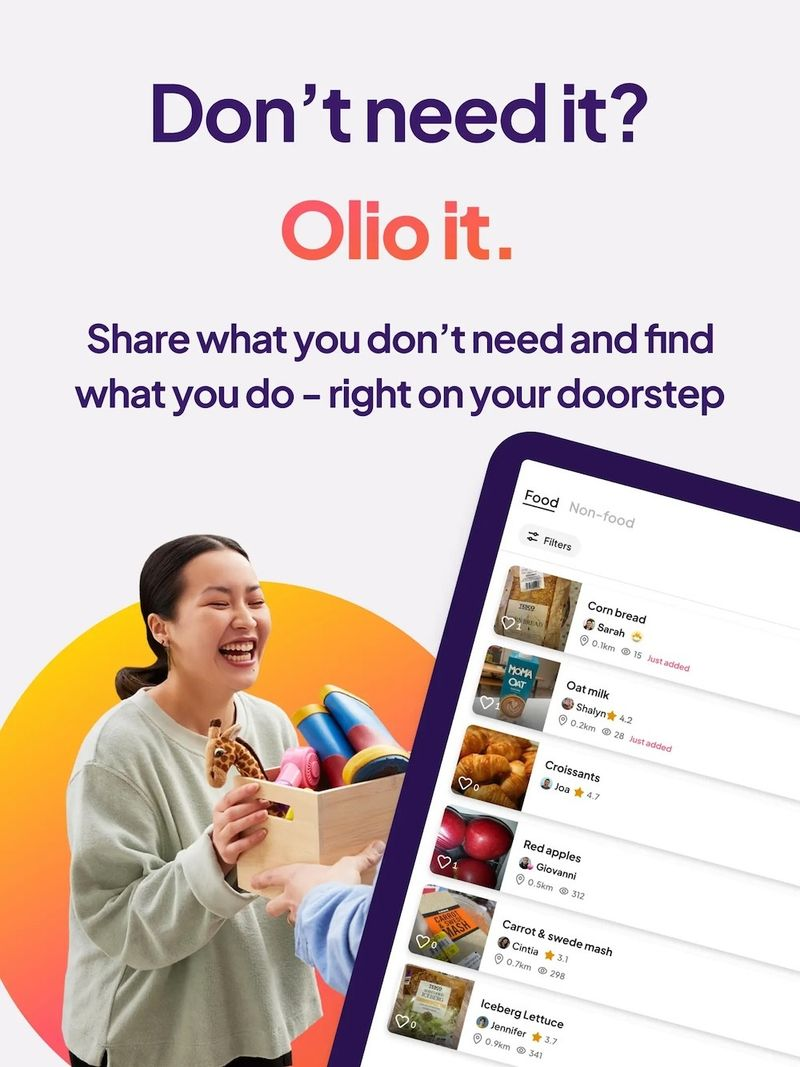
Olio began in London by two friends as a food-sharing app, but now is a worldwide organisation that encourages people to share most things they don’t want or use, in an effort to build community, save money and save the planet! It has over 8 million users, and growing.
Before sharing food, read up on food safety for people and pets. Just bin scraps from alliums (onions, garlic, leeks, shallots, chives) and citrus/tomato/rhubarb scraps, as acids may harm compost creatures.
If sharing plants or flowers, read our post on pet-friendly gardens. Also avoid displaying indoor plants to outdoor gardens, to help stop birds flying into windows. Avoid sharing unsafe items like old dog toys.
The Lullaby Trust does not recommend donating (or buying) second-hand baby items like mattresses or car seats (and never use cot bumpers). Its site has more info on helping to prevent crib death (including safe sleeping advice, and how to stop over-heating). Also avoid sharing unsafe items like old toys.
How does Olio work?
You basically download the app, take a photo of whatever you’re sharing, then set a pick-up location – whether that’s from your home (safe if you live within a close-knit neighbourhood), in a public location or in a hidden safe place.
The food-sharing app began to help use up food that would otherwise go to waste. It started as a way to use up food say in the fridge if someone was going on holiday or visiting hospital. But soon local groceries and bakeries were getting involved, even allotment holders with excess produce.
Today Olio users share safe items of all kinds – from books and kitchen ware (obviously it’s best to buy new or PAT-tested electrical appliances – you can recycle broken appliances at kerbside or at stores that sell you new ones – it’s the law they have to take back your old ones). Or even furniture.
Too Good to Go (an app to stop food waste)

Too Good to Go is a worldwide app that helps to stop good food, from going to waste. This organisation that started out on a small social mission, is now one of the world’s biggest sharers of surplus food.
You can enjoy good food for half the price, and even enjoy ‘surprise bags’ from local shops, restaurant and hotels (that help stop food being thrown away, and give them extra profits too).
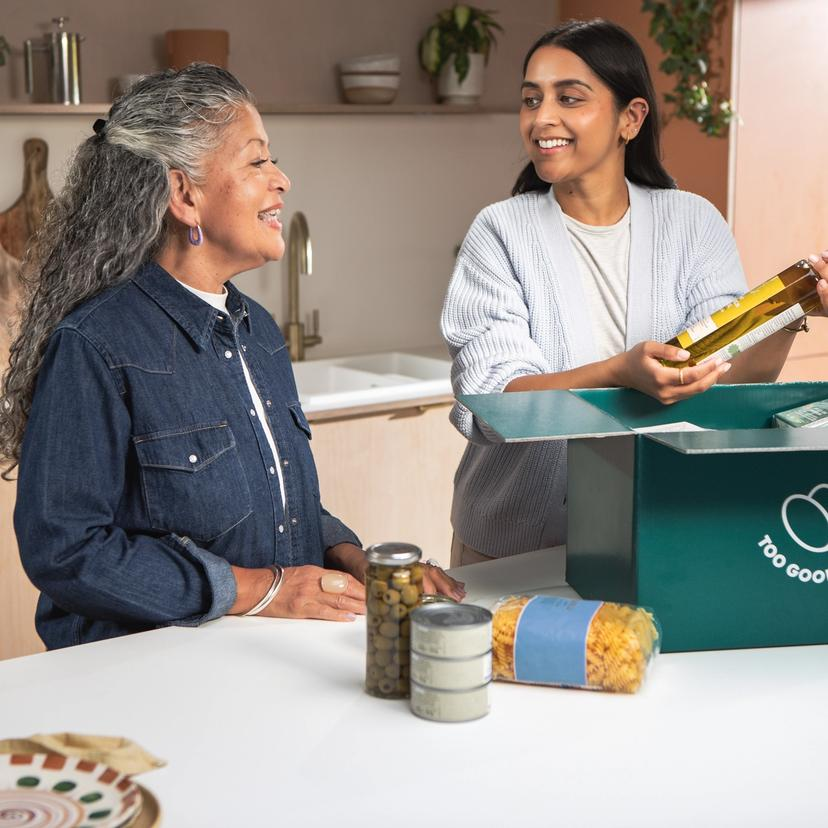
You can now even order Too Good to Go Parcels, bundles of surplus food from manufacturers, that are send to them, to deliver to your door.
This organisation was founded around 10 years ago in Denmark, by entrepreneurs who wanted to do something about food waste, and knew that giving people cheap good food (and helping businesses to sell food that was still okay to eat) made good business (as well as environmental sense).
Today the company has over 100 million registered users and 175,000 business partners across 19 countries, which has saved over 400 million meals from being trashed for no reason.
As an example, say you run a bakery. At the end of the day, your leftover bread may not be good for tomorrow. So you can sell it half-price to customers via the app, and they get half-priced good bread, and you can make a lot of added income.
Some larger stores that use apps like this, can sometimes earn up to £80K extra a year in profit.
The Look-Smell-Taste Label
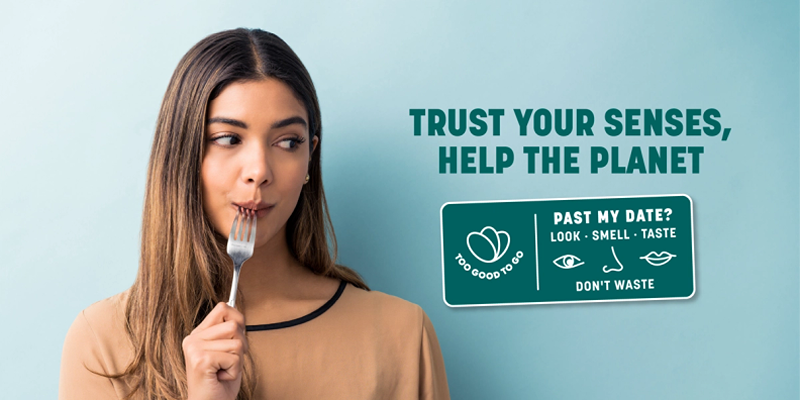
Too Good to Go’s Look-Smell-Taste label is the latest idea from this wonderful company. A lot of food is thrown away, due to all the confusion about best-before and ‘use-by dates’. This label can help remind people if a product is still good enough to eat:
The ‘use by date’ is for food safety (don’t eat after the date). The ‘best before date’ is simply about optimal food quality. In most cases, it can be safely consumed:
- Does the produce look okay?
- Is it free from mould?
- Is the packaging undamaged?
- Does the product smell okay?
- Does it taste good?.
Often this is due to supermarkets selling too big of items, for single or two-person households. For instance, they don’t sell things that would help like bags of apples (1 or 2), or tiny bread loaves (rather than big ones too much to use up, before going off).
But they are not going to change anytime soon. So here are a few good helpers, to reduce food waste, both for the planet and your pocket.
In England, people throw away a third of all food (mostly fresh produce, salads and bread). It’s estimated that UK supermarkets throw away around 190 million meals a year, which could feed hungry people.
Don’t give stale, crusty or mouldy bread to garden birds or wildfowl, as it could choke. Also fat on buttered bread smears on feathers, affecting waterproofing and insulation.