A Guide to the County of Wiltshire, Naturally
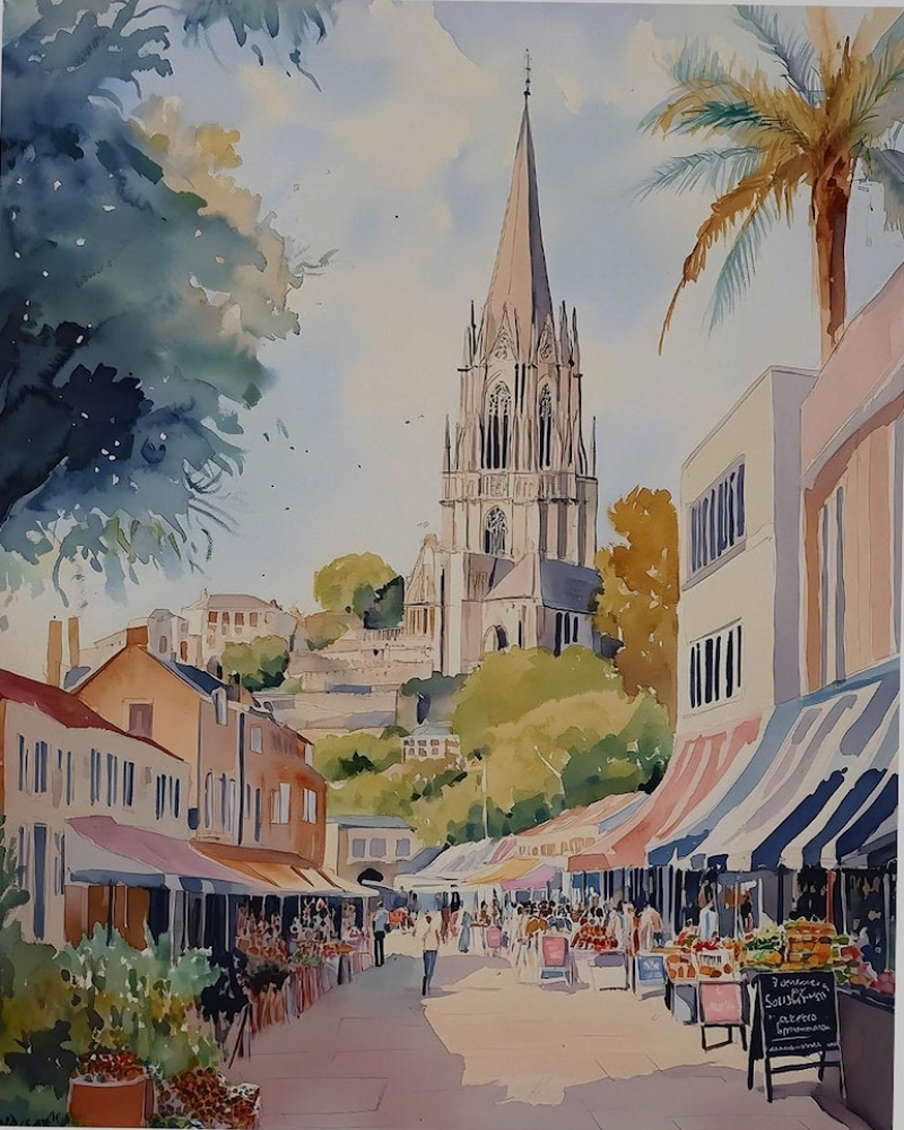
American writer Bill Bryson once wrote that he believed Salisbury Cathedral to be England’s most beautiful building (he also is an avid campaigner against litter, saying he cannot believe that people drop sweet wrappers and crisp packets on our green and pleasant land).
The cathedral took 38 years to build, and is a striking example of English Gothic style, with the world’s oldest working mechanical clock, stunning stained glass and peaceful cloisters. The Chapter House displays one of the four surviving copies of the Magna Carta.
Outside, the lush close is ringed with trees and lawn, and as popular as the cathedral itself.
The County of Chalk White Horses

Wiltshire is a large county in south west England, home to England’s most beautiful building (Salisbury cathedral), mysterious Stonehenge and most of England’s chalk horses, carved out thousands of years ago on the Wessex Downs.
Always follow the Countryside Code, to keep all creatures safe.
Although some other places (like Sussex and Oxfordshire) have a few chalk figures carved into the grass, Wiltshire has most of them, and nearly always in the form of horses. Best seen from footpaths that cross the Wessex downs, these are now regularly maintained by volunteers, t1o stop1
It’s a mystery why they were carved. Although one apparently stopped a visiting King ever returning. He saw that the horse was ‘facing the other way’, and took it as a sign that he was not welcome!
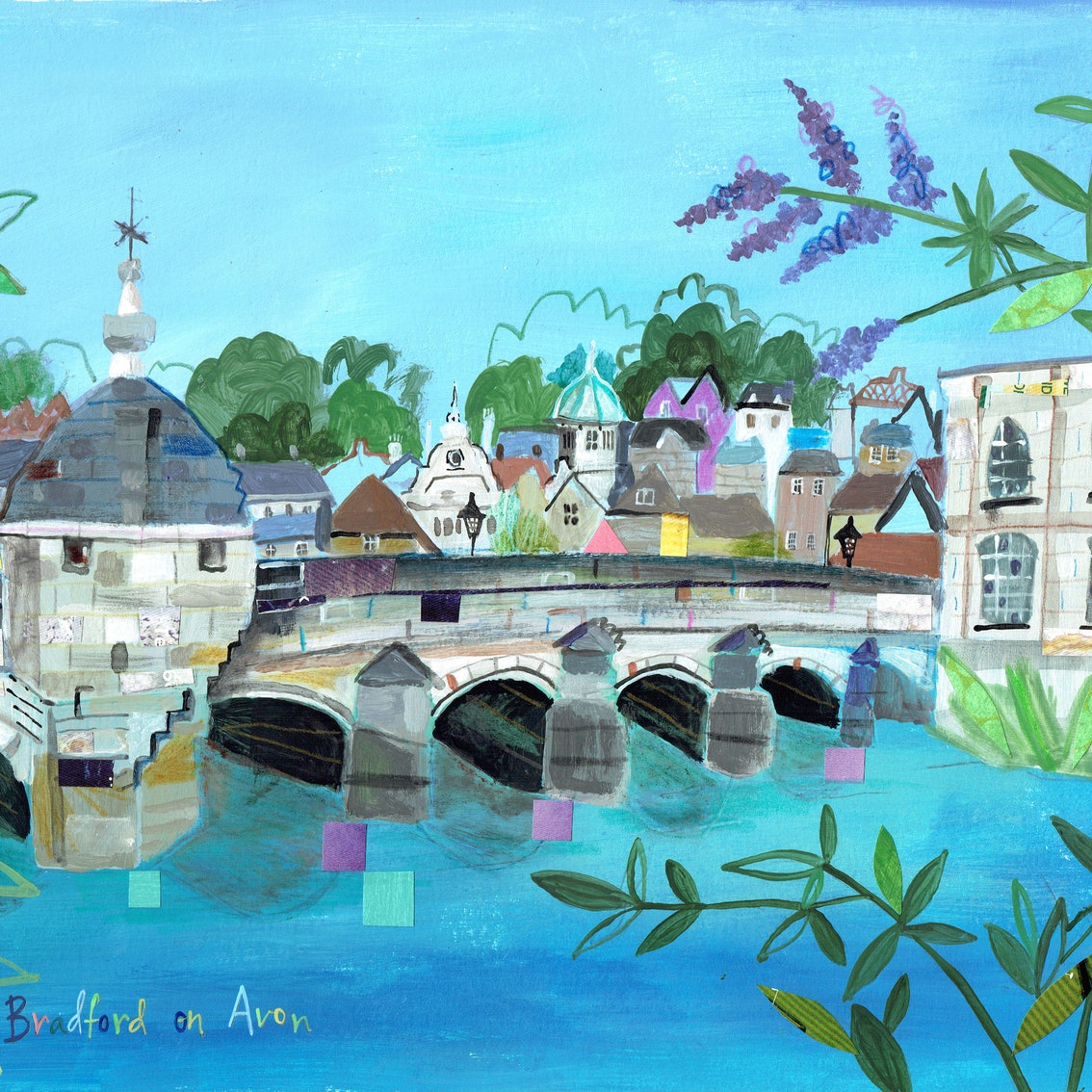
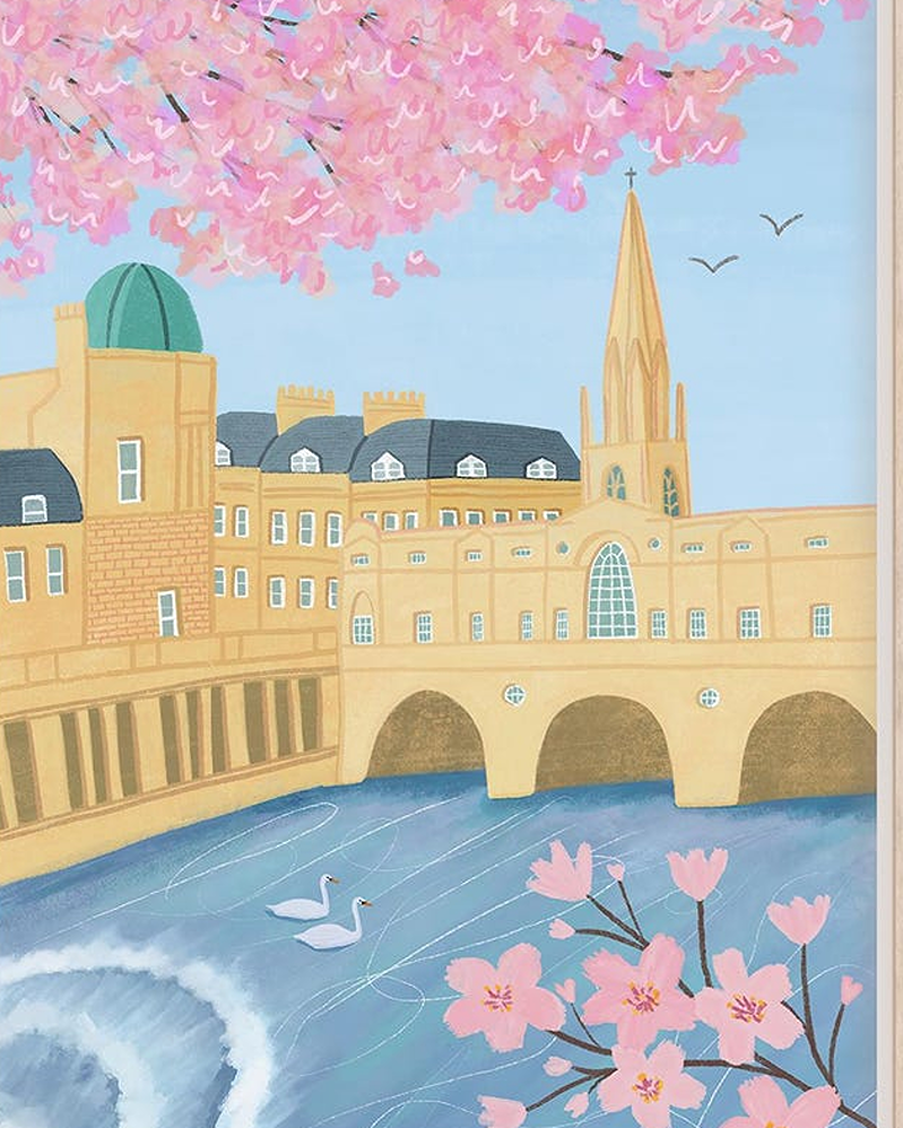
Nearby Bradford-on-Avon(Liz and Kate Pope) is a historic town in Wiltshire, its named derived from its ‘broad ford’. With a strong link to the weaving industry, it still contains the remains of a large Roman villa, and an iconic arched stone bridge, built in the 13th century.
The small building on the bridge was a chapel, that also used to lock up prisoners, in the 17th century.
Just 12 minutes by train from the beautiful city of Bath, the town sits on the Bristol Avon River (a 75-mile river which begins in the hills near Acton Turville in southwest England. Before flowing to Bristol, and out to the sea at the Severn Estuary.
The Mysterious History of Stonehenge
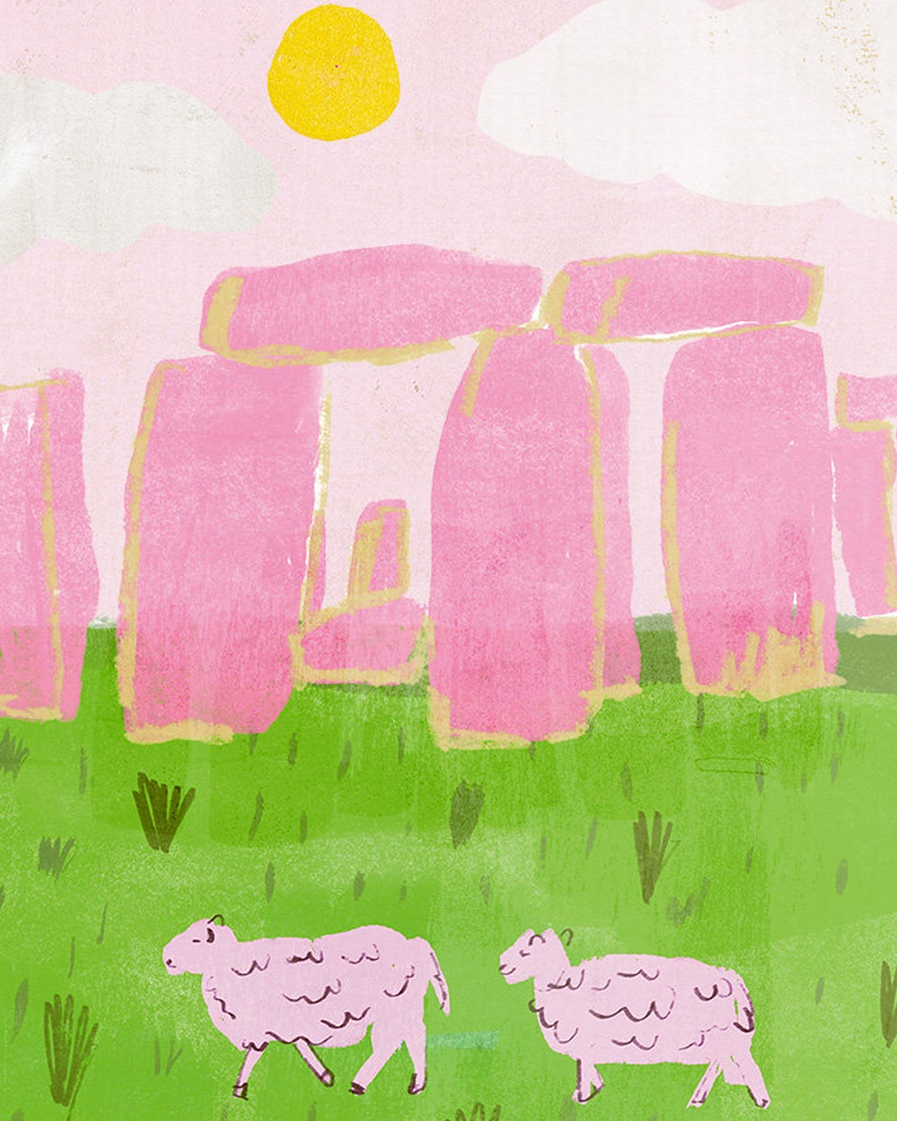
England is a much older country than say Italy (only just over 200 years old). So we have quite a few prehistoric monuments! You can find a full list of these at English Heritage, if you’re a bit of a history buff.
Standing on Salisbury Plain, Stonehenge is an ancient circle of stones, likely built over 4000 years ago. Nobody is quite sure why the stones are there, nor how they got there (possibly by water, back in the day).
It is said that the stones could be burial stones, or even that they were some kind of astronomy formation. Bath’s Royal Crescent is said to be influenced by the design.
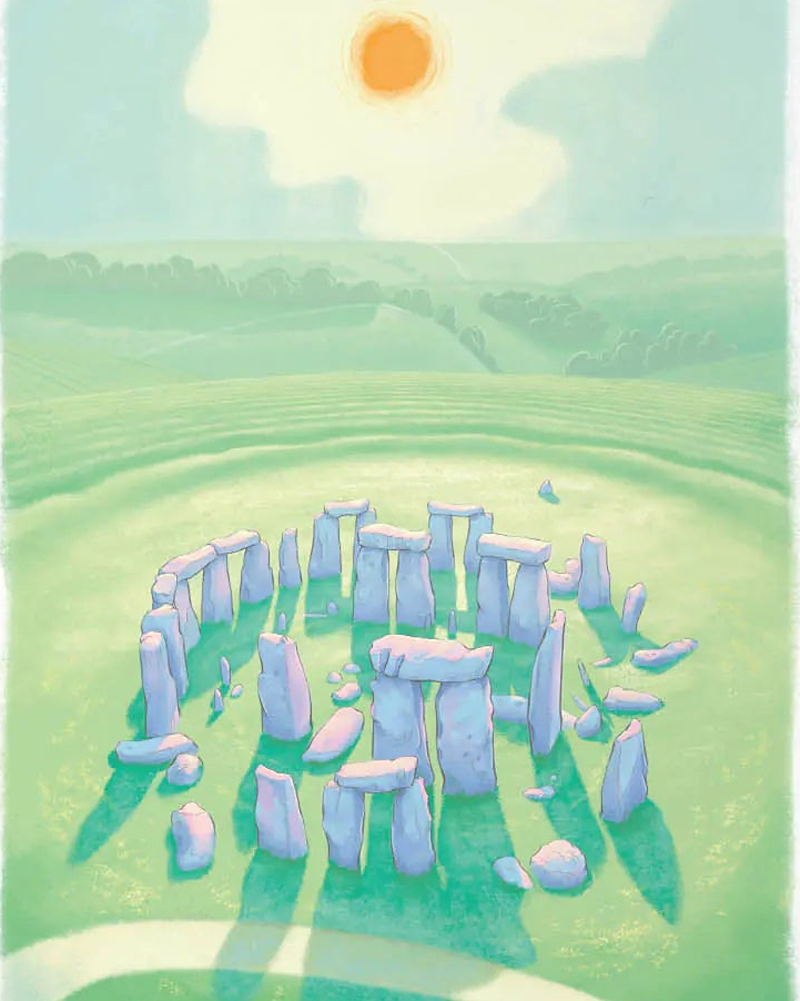
There are two main types of stones at Stonehenge: sarsen stones and bluestones. The large sarsen stones weigh up to 25 tonnes and were probably dragged from Marlborough Downs, about 20 miles away.
The smaller bluestones came from the Preseli Hills in south-west Wales, more than 150 miles away. Moving these stones across rivers, hills, and fields without modern machines shows the builders’ planning and skill.
Although often celebrated at Summer Solstice, some of the ‘hippies’ that visit are not so earth-friendly. Many have been banned by the local council, for leaving too much litter.
Nearby, Avebury Stone Circle is not as well known, but this stone circle is just as remarkable. Dating back to around 2600BC, it sits around the village of the same name. And while Stonehenge is fenced, here you can walk up to the stones, and touch them to say hello!
No-Alcohol Botanical Drinks from Wiltshire

Bax Botanics is an artisan company offering lovely herby botanical spirits from Yorkshire, made ethically with wild herbs and organic ingredients, all sent in zero-waste packaging.
By law, no drink can be called 0% alcohol (there’s a little alcohol in bananas and bread), but this is as low as you can go. Even the bottle labels are made from biodegradable sugar-cane.
The founders spend years learning about botanical flavours and now use their skills to create unique blends using herbs, roots, berries and flowers, for spirits and cocktails with complex tastes. Serve with tonic water, to make the drinks come to life!
There are two drinks in the range:
- Sea Buckthorn contains fragrant herbs, Seville oranges and has a warm ‘buttery baked’ flavour.
- Verbena is a light fresh herby flavour, with notes of citrus and menthol.
You can also buy both drinks in ready-to-drink cans already containing tonic water. Wholesale orders are welcome for restaurants, shops and hotels.
Due to quinine, avoid tonic water for pregnancy/nursing and certain medical conditions (liver failure, blood thinners, antibiotics and anti-depressants). Avoid grapefruit and rhubarb tonic waters, if on certain medications (check paper inserts).

Sprigster is a unique artisan company that produces botanically infused drinks in Wiltshire, inspired by English country gardens. These drinks are expertly crafted and bottled in-house by cooks and gardeners at a Victorian walled kitchen garden.
The signature infused drink is made with local fruits with no added sugar. Includes notes of ginger, rhubarb, fennel and hops, slow-cooked in apple-cider vinegar then blended with orchard apple reduction, and topped with Wiltshire spring water. Serve a single or double measure over ice, add soda or tonic water, then garnish with seasonal fruits and a sprig from the garden.
Garden Brut is a sparkling fizz alternative to champagne, made with English country garden ingredients, with an apple cider vinegar backdrop. Sprigster Hedgerow Blush is a pale pink sparkling fizz, with rhubarb flavours.
The Victorian walled garden is at the source of everything made. The south-facing layout and intelligent design of the beds, yield plump peaches and other fruits that make up these delicious no-alcohol tipples! Wholesale orders are welcome for shops, restaurants and hotels.