Unique (often endangered) Scottish Wildlife
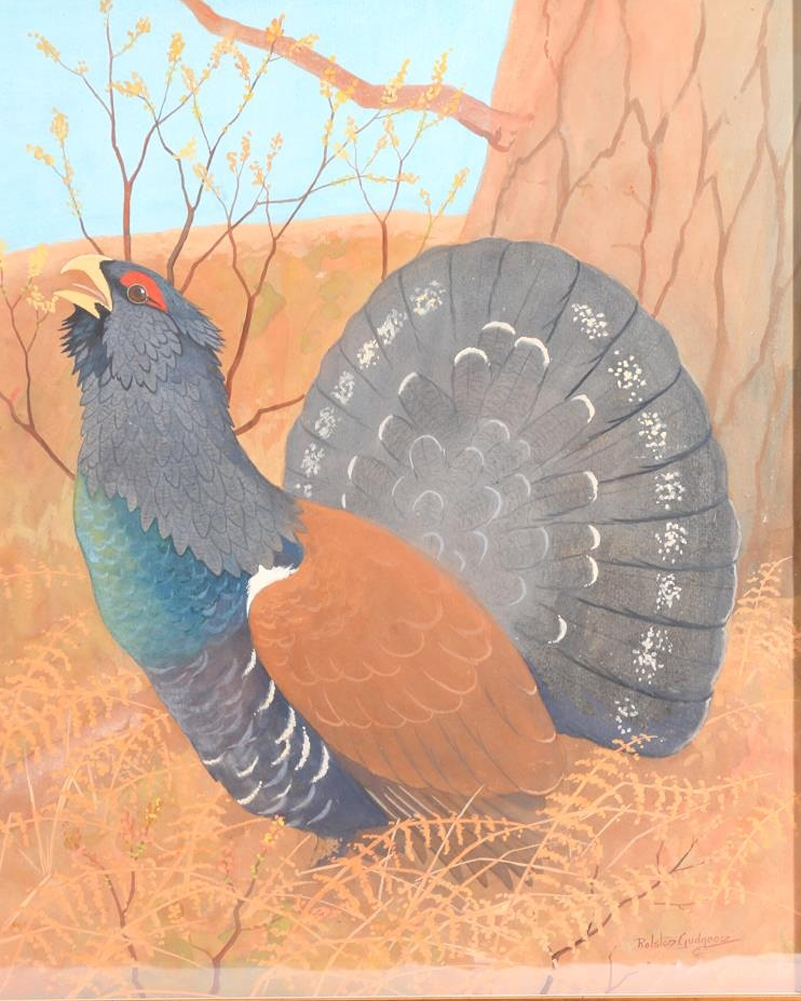
Like Ireland, Scotland has a lot of wildlife similar to England, but also a few unique species, and sometimes far more of creatures that are rarely found south of the border.
Most of Scotland’s ground-living birds are also found in England (the new name to replace ‘game birds’ that suggests it’s ‘sport’ to shoot these beautiful creatures for fun).
But critically endangered capercaillies are only found in Scotland. There are real efforts to protect them (hunting has now been banned mostly), as they almost became extinct in 1785.
Their cousins (black grouse birds) have males known for their elaborate dance, fanning out their tails to attract a mate (similar to peacocks). Another local bird is the Scottish crossbill.
Hen harriers are native to these lands. Again there is controversy over hunting estates, due to some being killed (illegally) as they hunt young grouse. These birds almost became extinct in the 19th century due to expansion of game hunting estates, and are now protected by law.
Scotland is also home to many other birds of prey, including golden and white-tailed eagles, red kites and ospreys (in England, only really found in Rutland and Cumbria)
Cold Waters (means more marine friends!)

The colder waters in Scotland means you have more chance of spotting dolphins, whales and harmless basking sharks. And sometimes even wild orcas (killer whales).
Fun fact: Orcas are one of the few species, where males remain with their mum for life. Aah!
Common Wildlife Friends in Scotland
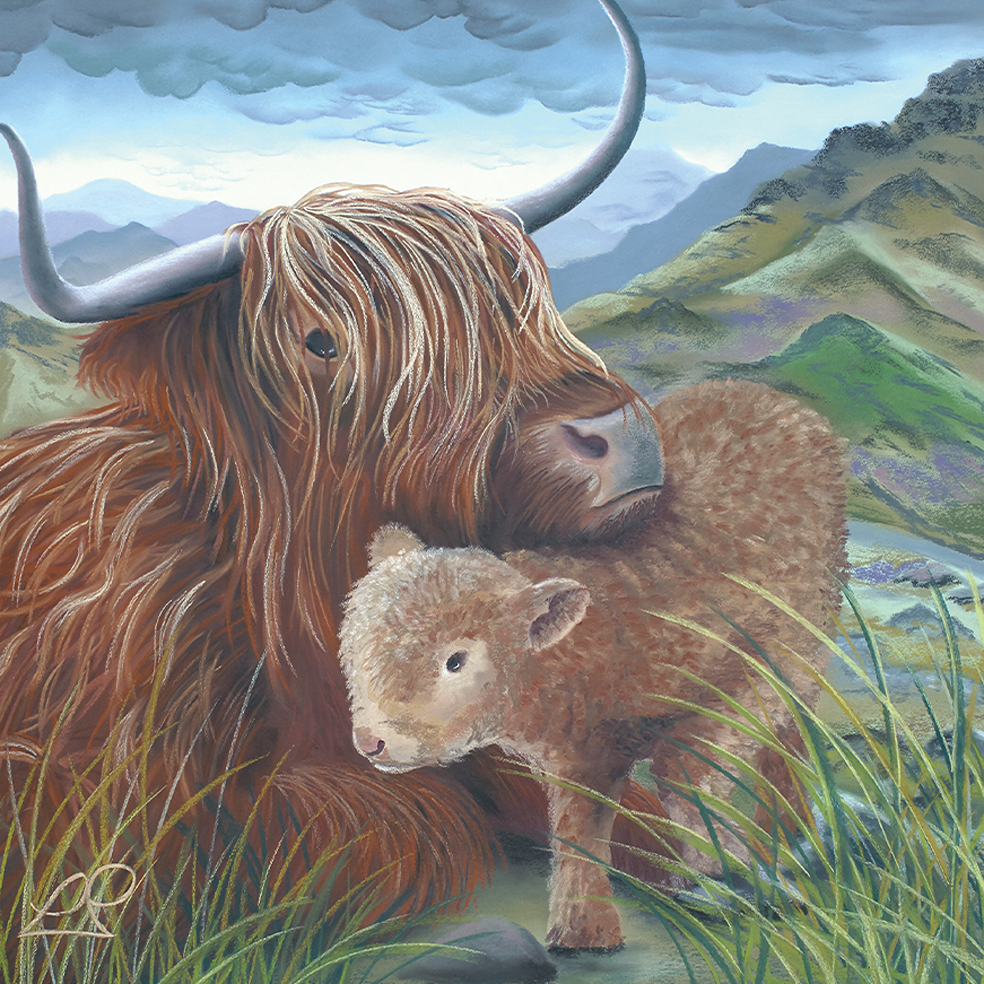
Gorgeous Highland cows have long shaggy fringes, covering curved horns (used to forage for food in winter). Originally black, they were bred to be brown or ginger. Their long hair and eyelashes helps protect from rain and snow.
These cows are the right size and weight for conservation grazing, as they leave the vegetation not too short (their poo is good fertiliser!) The seeds that stick to their fur, get pollinated in other places too.
They are very small, but Shetland ponies (just like their cousins in Iceland) are very hardy, and easily survive outside-year-round. Believed to have arrived on the Shetland Isles by crossing ice fields, these beauties even have waterproof manes – like natural umbrellas to keep rain off!
Scottish Wildcats are critically endangered felines that resemble big tabby cats, mostly living in remote locations. They can see 7 times better than us, and have amazing hearing to hear prey.
Also found in northern England, mountain hares camouflage their fur in winter, which turns from brown-grey to snowy white. Living amid the heather of the Scottish uplands, they are very shy and run off at top speed, if seen.
Despite its fairly low population (compared to England), Scotland (like Northumberland) has far more pine forests, which is why both areas are home to more red squirrels.
Grey squirrels do carry the Squirrelpox virus, but a cull is not the answer, rewilding pine martens (natural predators – common in Scotland) and more pine forests are.
Read our post on saving both red and grey squirrels.
A Book about Scotland’s Wild Beauty
Community is a book by a local author who starting from her own garden, travels to 10 locations in western Scotland, from the towering cliffs of St Kilda and the peatlands of Lewis, to the Solway estuary and the urban sprawl of Glasgow.
All to explore the interaction of people and wildlife in a variety of settings. She discovers community who are regenerating their own landscapes. Like Eigg (community ownership) to Knapldale (wetlands) and Loch Arkaig (woodland) and St Kilda archipelago (sea).
Does the Wild Haggis Really Exist?
Haggis is a disgusting-sounding dish made from a sheep’s innards and oats (there is a vegan version on sale in shops, but it contains palm oil).
The legendary wild haggis is a creature with unequal legs, to help it get around hilly Scottish terrain. It has one leg that goes in a clockwise direction, the other anti-clockwise. This makes breeding difficult. As when facing the same direction as an intended mate, the male falls over!