Protecting the Welfare of England’s Alpacas
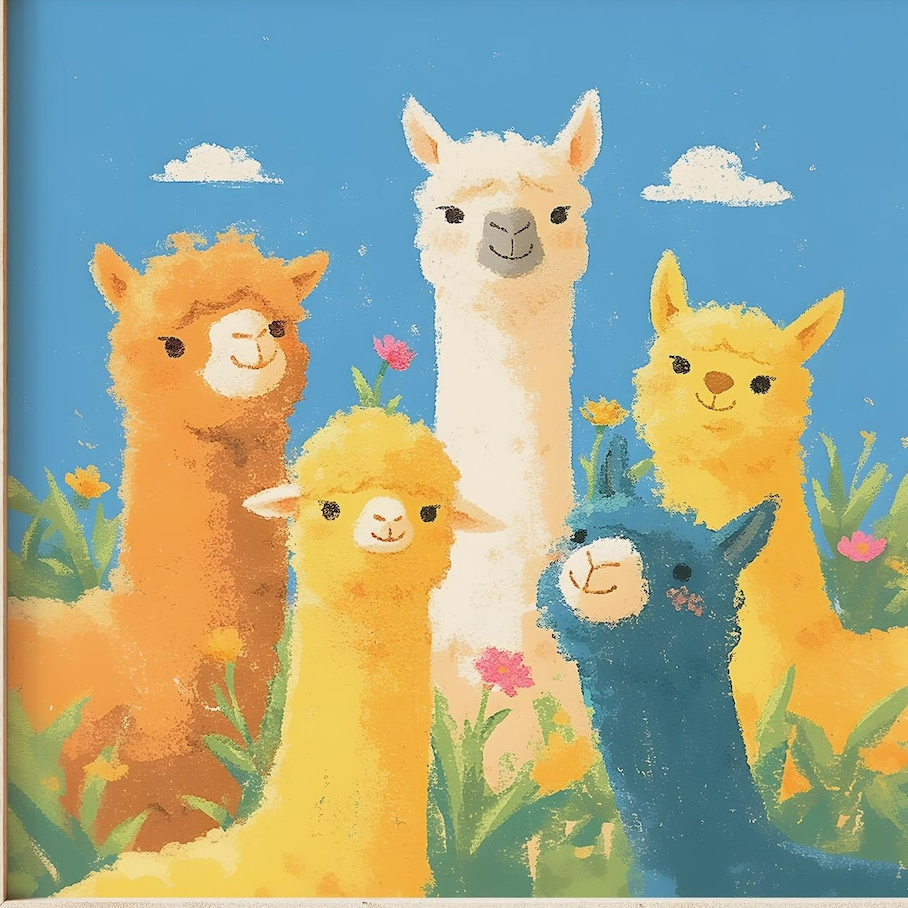
Although not native to England, many counties have alpacas in fields, you may have seen them if you in a rural area or driving past.
British Alpaca Society is responsible for their care and welfare, so get in touch if you need any advice, or need to report any concerns. This includes an urgent out-of-hours service.
First introduced to England for their fibres that were used to make yarns, today many are simply used as natural ‘paddock mowers’ or guards for free-range poultry keepers, as they are very territorial!
Native to the Andes (Peru, Chile and Bolivia), they naturally would live nearly 4000 metres above sea level. The two main species are Huacaya (a ‘teddy bear’ appearance) and Suri (they have ‘dreadlocks that hang in pencil shapes).
Alpacas are social animals that live in herds, and communicate by humming and clicking (though they spit if they feel threatened). The babies can walk within an hour of being bord!
Their soft feet don’t damage soil, and their dung piles are good for the land! Because they have no top teeth, they can graze the land without pulling up the roots. Mostly they eat grass and hay, and like chickens, like to take dust baths to stay clean!