British Hen Welfare Trust (rescuing chickens & roosters)
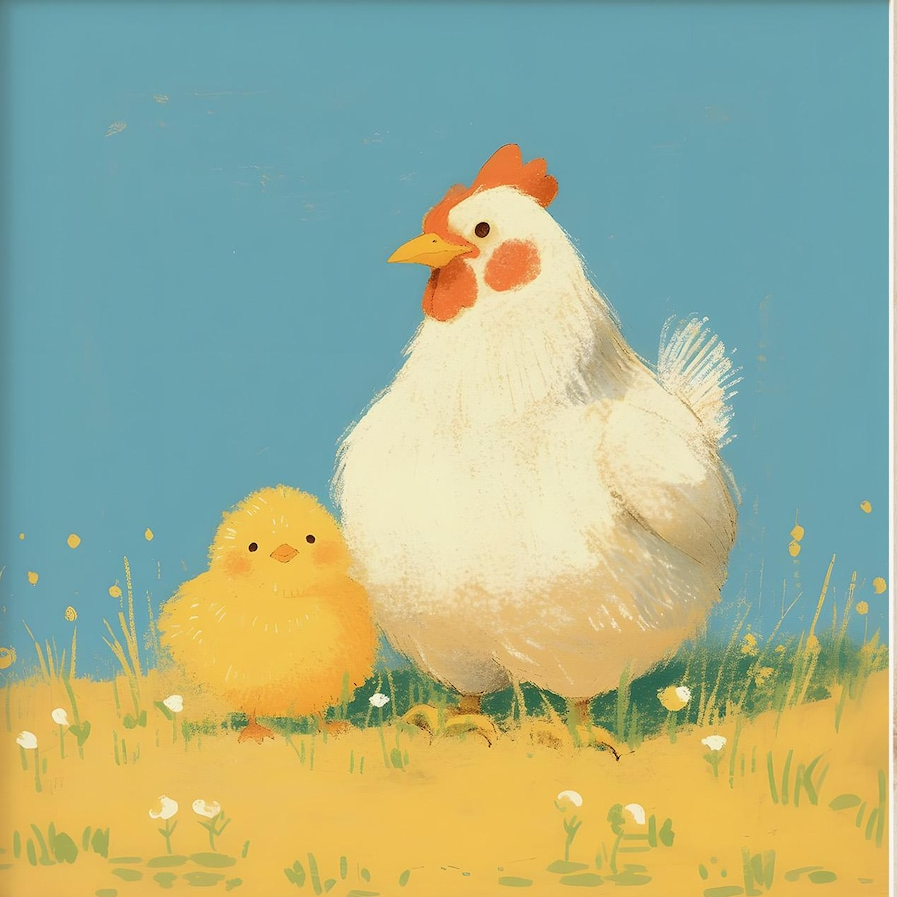
British Hen Welfare Trust is a wonderful organisation, that rescues chickens due for slaughter at the end of their egg-laying life, to give them new homes to people who would like to look after chickens, whether as barnyard friends, or for free-range eggs.
What happens to chickens in the egg industry is quite controversial (for instance, vegans don’t eat eggs due to many chicks being killed at birth and older hens being killed).
But this charity is not at all political, and maintains good relationships with farmers, in order to help the chickens they give to them.
As a group of hens also like a rooster (he has several wives!) they also rescue roosters too (many became homeless after irresponsible people adopted them during the pandemic, then abandoned many afterwards). Be prepared to be woken up early!
Visit the site above to find expert advice on how to look after rescued chickens (you’ll need proper space and knowledge, and find details of hen-friendly vets!)
How to Keep Chickens Safe from Foxes
This is always an issue, as foxes are obviously natural predators. Good deterrence is to restore foxes’ natural habitats (their natural diet is wild rabbits and rats). Also avoid blood/fish-based fertilisers, keep pet bowls clean (and inside).
One recommended deterrent (used to stop foxes disturbing swans at Abbotsbury Swan Sanctuary in Dorset) is an outdoor camping radio.
It recommends playing Radio 4 (people talking over music) and seems to deter foxes from attacking poultry too.
All prey animals (chickens, rabbits etc) are at risk from foxes, but also rats and badgers. Foxes are good predators (and can strike any time of day or night) but know they are not killing chickens due to cruelty, but following instincts to feed themselves and cubs.
Foxes rarely starve as they are scavengers, so keeping hens safe won’t cause them to go hungry.
British Hen Welfare tips include:
- Use a large chicken-friendly coop with fencing, so hens are free to roam and be happy, but secure from predators.
- Never leave hens overnight, put them to bed at dusk (and keep them in secure runs, if you are going out for the day).
- Always check your coops and runs for damage, high winds or snow can weaken areas like roofs.
- Fixed runs should be at least 5 ft high and laid on grass at right angles, to prevent predators digging underneath.
- Don’t house near overhanging branches, which foxes can use to gain entry.