Endangered Swifts (need nest boxes and swift bricks!)
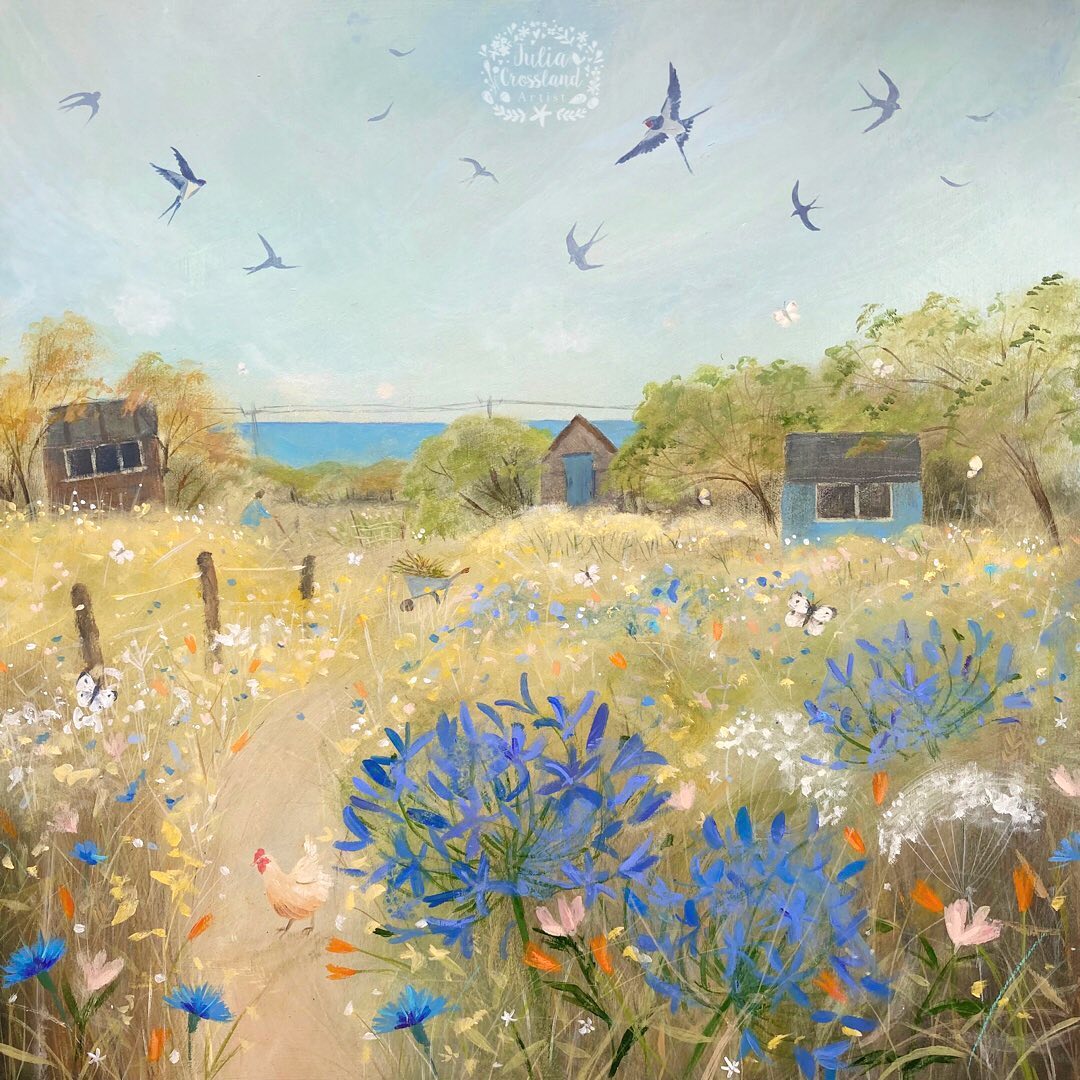
Swallows and swifts, Julia Crossland
Swifts are incredible birds that fly nearly all their lives on the wing (even sleeping while flying!) But they are now very endangered while they live in England, so there are huge campaigns to provide habitats for them in swift boxes (under eaves) and to make swift bricks mandatory in new buildings.
Swifts migrate from Africa in late April to breed, and because they fly without resting, it means that when they arrive, they need nesting boxes and shelter, as unlike most birds, they don’t use trees or ground cover at night.
Read our posts on creating safe havens for garden birds. And how to prevent birds flying into windows.
The Building Trade Can Save Swifts
As swifts mostly nest under eaves, it’s the housebuilding industry that can help the most. A sure sign of swifts if screaming near building work!
If you’re a builder or town planner, ensure swifts are not disturbed (this is illegal and can be reported as wildlife crime – can be anonymous).
The reason why swifts are now endangered is that the small gaps where swifts nest are often closed up during renovations, or there are no gaps in new buildings, due to modern materials and building codes. This also means fewer insects (due to pesticides) and loss of wild areas nearby also means less food for hungry chicks.
The government relaxing on planning to build 1.5 million homes (which could be built using eco methods on brown field land) is making things even more difficult.
Swift Boxes and Swift Bricks (the solutions!)
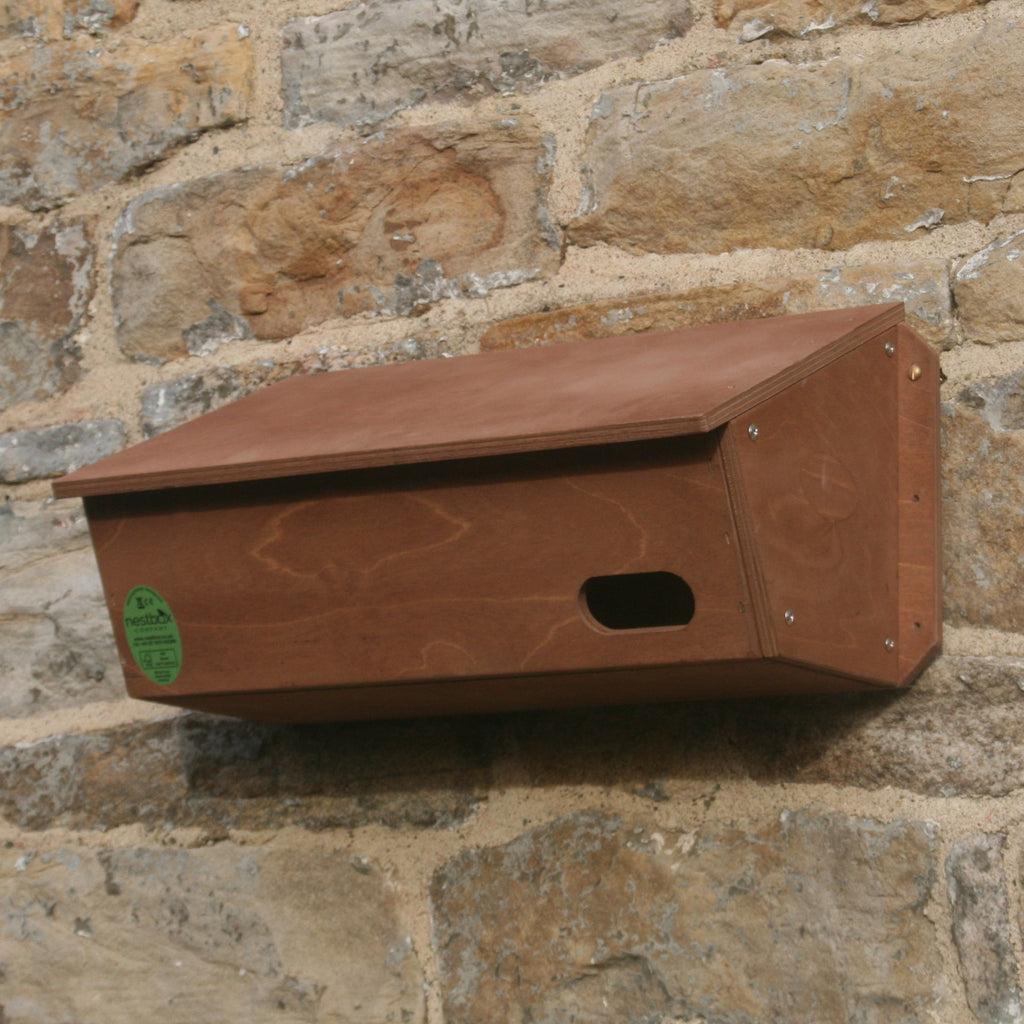
Swift boxes are very different from normal nesting boxes, and are designed to replace old buildings and roof spaces, that swifts would normally use. The small holes also allow moisture to drain, and the boxes are placed high up under the eaves of buildings.
Designed to keep sparrows and starlings from occupying the box, this one is made from precision-cut FSC-certified plywood treated with water-based eco-friendly preservative.
Attach swift boxes at least 5 metres above ground (facing north/east to avoid direct sun, and tilt box down slight, to avoid rain from entering). A clear flight path of around 5 metres (not above windows or doors) is good, and install in groups as swifts are social birds.
Ensure swift nest boxes are securely installed, and avoid planting foliage or creepers below nest sites, to discourage predators (squirrels, rats).
Some nest boxes have a nest cup to prevent eggs rolling around, or falling out of the nest. For high installation, it’s best to get someone fit with a safe ladder to install the boxes!
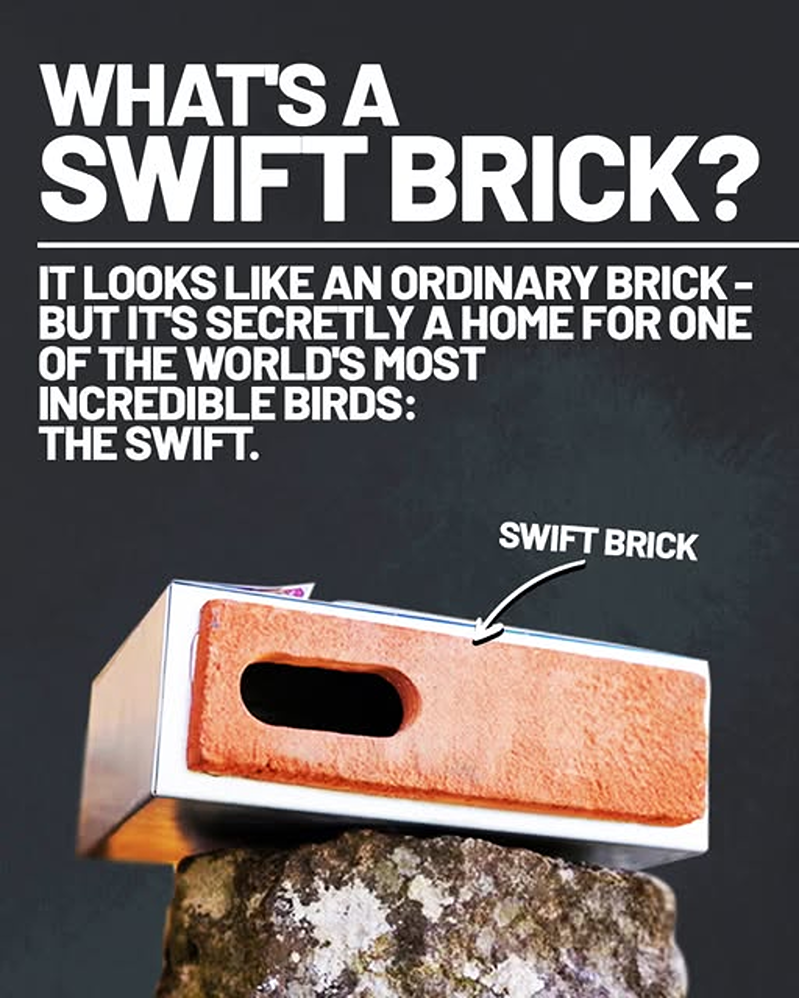
Swift bricks are built-in units added to new homes. They’re small enough to fit in modern walls, but big enough for swifts to nest safely. There is now a campaign to get all new buildings to install these as standard.
The campaign is being led by Hannah Bourne-Taylor, who has written a book to help save these ‘masters of the sky’. Swift conservation is also at the forefront of the campaign which also has over 100,000 signatures at 38 Degrees to debate the issue in Parliament.
Swallows and House Martins (look similar!)

Swallows and house martins are birds that also grace our skies with their aerial acrobats. And again, modern development threatens their existence. Like swifts, swallows only spend summer in England, returning to Africa for winter.
These birds are dark/blue black with red foreheads and pale bellies. They look similar but have a ‘chatter call’ and tend to nest in outbuildings. They like nest boxes under eaves or gables (ledges or shelves in open-sided barns or garages are good), sheltered from harsh water.
House martins are glossy black and more urban still, often collecting mud from puddles to make ‘mud cup’ nests under house eaves. Smaller sand martins are brown and white, and like to nest in burrows and love wetlands. Again, they like nest boxes under eaves or gables, sheltered from harsh water. Martins thrive in multi-compartment birdhouses.