Why the Dangerous Dog Act Needs Reform
Blue Cross is does not agree with breed-specific legislation, which bans certain breeds on looks and measurements, rather than behaviour and temperament). It instead recommends ‘deed, not breed’.
Also read our posts on humane dog training and how to prevent dog bites and fights.
Time to Give Staffies some Good Press!
Apart from Robbie Williams, the most famous resident of Staffordshire is the bull terrier. Sadly now maligned in the media, a good portion of shelter dogs are now staffies. 100 years ago staffies were known as ‘nanny dogs’ as they were protective of children.
Nearly all cases today of dog attacks are due to poor welfare, lack of training and not knowing how to approach strange dogs.
Positive Training for Aggressive & Reactive Dogs features instructions and illustrations to help eliminate aggression, barking, timidity, fear and reactivity. It includes case studies and interviews with top trainers, vets and behaviourists.
The author is a highly qualified dog trainer and behaviourist in the US, who specialises in training troubled dogs (especially ones that are reactive/aggressive to people or other dogs).
Why ‘Deed’ Is More Important than ‘Breed’

The Dangerous Dogs Act (which was rushed through in 1991, and has not reduced dog attacks at all). To label dogs as ‘dangerous’ due only to looks (there are no DNA or behavioural checks) means innocent dogs are put to sleep, leaving ‘dangerous dogs’ to not receive the help and training (and often new guardians) that they need.
Dogs presently on the ‘UK banned’ list include:
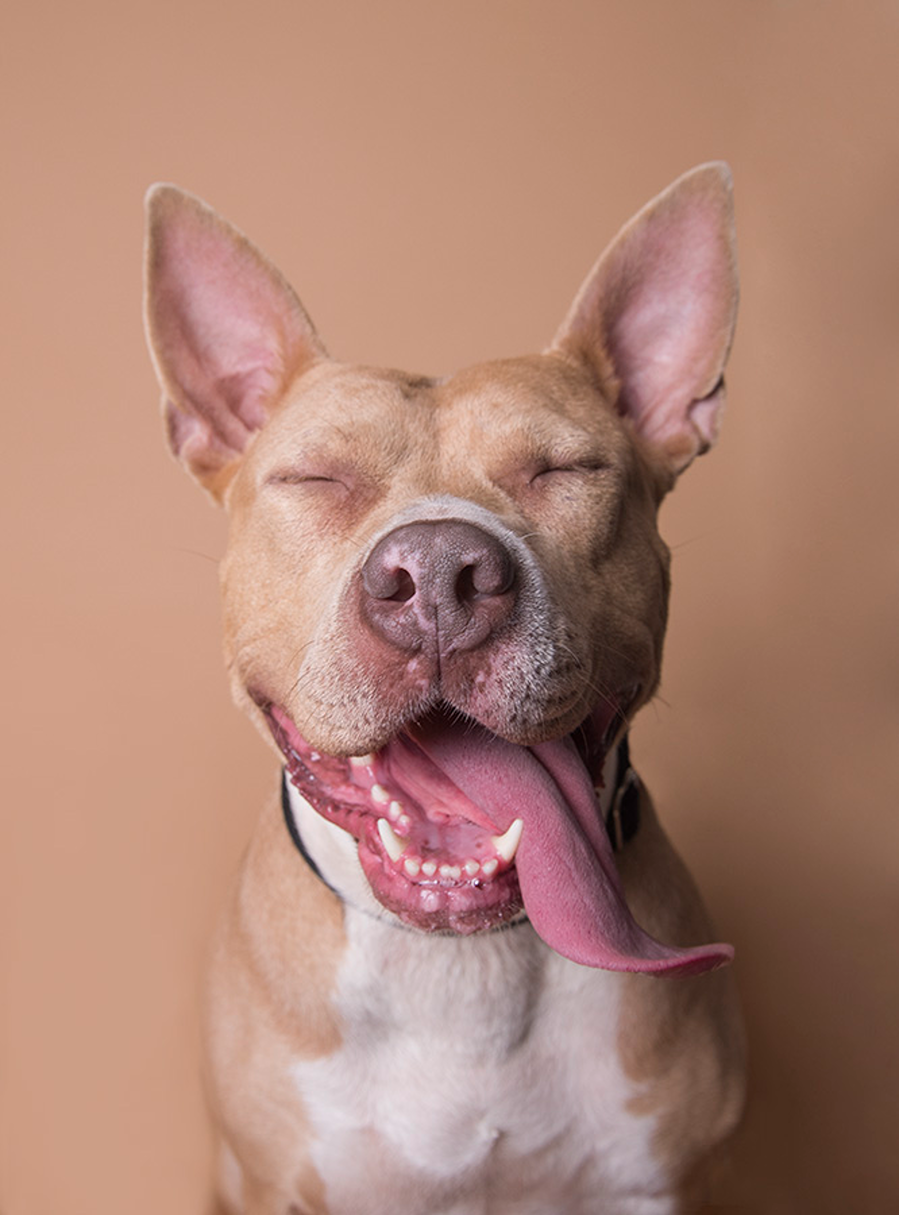
- Pitbull terriers (the above image is of a rescued American pit bull, who did nothing but kiss everyone, until she died of old age)
- Japanese toas
- Dogo Argentino dogs
- Fila Brasilerio dogs
- American XL Bully dogs (added 2023)
What’s more important is preventing irresponsible dog breeding and adoption, humane dog training and finding stray/lost pets (microchipping and neutering/spaying are also important, which stops roaming and aggression in male dogs).
The media has had a frenzy whipping up hatred and fear, yet all the major pet welfare charities want changes to the law:
Classing a dog as illegal based on looks alone, means that half the puppies in a litter of crossbreeds could be illegal, the other half legal. Blue Cross
Adding more breeds to the banned list, will not protect the public. We support calls to replace Section 1 of the Dangerous Dogs Act, with an evidence-based approach. PDSA
The law needs to be urgently reformed. Adding more dogs to the Dangerous Dogs Act will only see history repeating itself. RSPCA
Association of Pet Behaviour Counsellors (who have trained experts by referral to help aggressive dogs) writes that the Dangerous Dogs Act actually applies to all breeds. In that human guardians must not let their dogs go out of control, including attacking sheep.
Even a dog that jumps up at someone or barks at a child can be ‘deemed dangerous’. Some dogs may bite simply because they feel ill, and sometime touches a sore spot.
It’s far more complicated than the Dangerous Dogs Act makes out. This dog law company has full info on the legislation and common questions. Proving dogs are not dangerous can often be helped by recruiting expert witnesses.
Sometimes dogs are ‘spared’, if guardians can prove that dogs are neutered, microchipped, insured (and kept it in secure conditions to prevent escape). Obviously dogs still need walks, but these must be in secure places (or within a secure garden at home).
Are Staffies on the Dangerous Dogs List?
No, though you would think so due to media bias. Staffies actually used to be ‘family pets’ back in Victorian times (a bit like Labrador retrievers are today).
But due to often being ‘adopted’ by irresponsible guardians, they have had a reputation developed by the media, that they are not safe. Which has led to this breed filling up animal shelters nationwide.
All dog breeds can attack. From loyal ‘guard dog’ types (like Dobermans, Rottweilers and German shepherds) to ‘cute’ dogs like Great Danes, boxers, Dalmations and Chow Chows.
How to Prevent ‘Dangerous Dogs’
- Dogs not bred for profit is a good start. Shelter dogs that are adopted are nearly always neutered or spayed (this prevents roaming the streets looking for mates, which can lead to fights).
- Humane dog training is key to preventing dog bites. Nearly all attacks on humans are from dogs that have not been properly socialised properly (chained or not spending most time within a family environment).
- Never go straight up to a dog in the park, you’ll spook it. Ask permission first, then crouch down to their level, and sit diagonally, allowing dogs to come to you.
- We’ve all seen youngsters who when scared of dogs, let out a bloodcurdling scream, and are comforted by parents. Who instead should be teaching them never to freak a dog out, by doing this.
- If your dog likes to attack posties, keep them in a secure room while the post arrives. Or use a secure outdoor letterbox or affix a letterbox tray to your door, so posties don’t have to ‘post their fingers’.
Neutering and Roaming Prevention
Neutering (spaying or castrating) is one of the simplest ways to prevent problem behaviour. It can reduce male-to-male aggression, lessen territorial guarding, and helps with roaming (when unneutered dogs wander off to find a mate).
Micro-chipping is now required by law in the UK. If your dog escapes, a microchip makes return far more likely and proves you’re the legal guardian (owner – not a nice word, but it does have legal meaning).
Containment basics:
- Secure fencing: Check for gaps, loose boards, or low spots.
- Locked gates: Let children know to keep gates closed at all times.
- Check collars: Fit no-dangle ID tags in case the dog slips out.
Working with Dog Behaviour Counsellors
Some behaviour worries need more than DIY fixes. If your dog shows signs of reactivity, resource guarding, or you’ve had a scare, a qualified behaviour counsellor is your best bet.
Finding a certified counsellor:
- Look for membership of reputable organisations.
- Good counsellors will use humane approaches and create a tailored plan for your dog.
- Ask for references and check online reviews.
What to expect in a behaviour plan:
- Assessment visit (in your home or outdoors) to watch your dog’s behaviour and talk through problems.
- A written plan with step-by-step exercises.
- Support by email or phone, plus follow-up visits.
- Most are by vet referral early (expensive, but often worth it, and sometimes covered by your pet insurance).
- Animal Behaviour & Training Council
- CCAB (certified clinical animal behaviourists)
- Dogs Trust has its own free behavioural support phone line. It’s available for everyone, with specialist help for dogs adopted from them.