The Story of Battersea’s Little Brown Dog
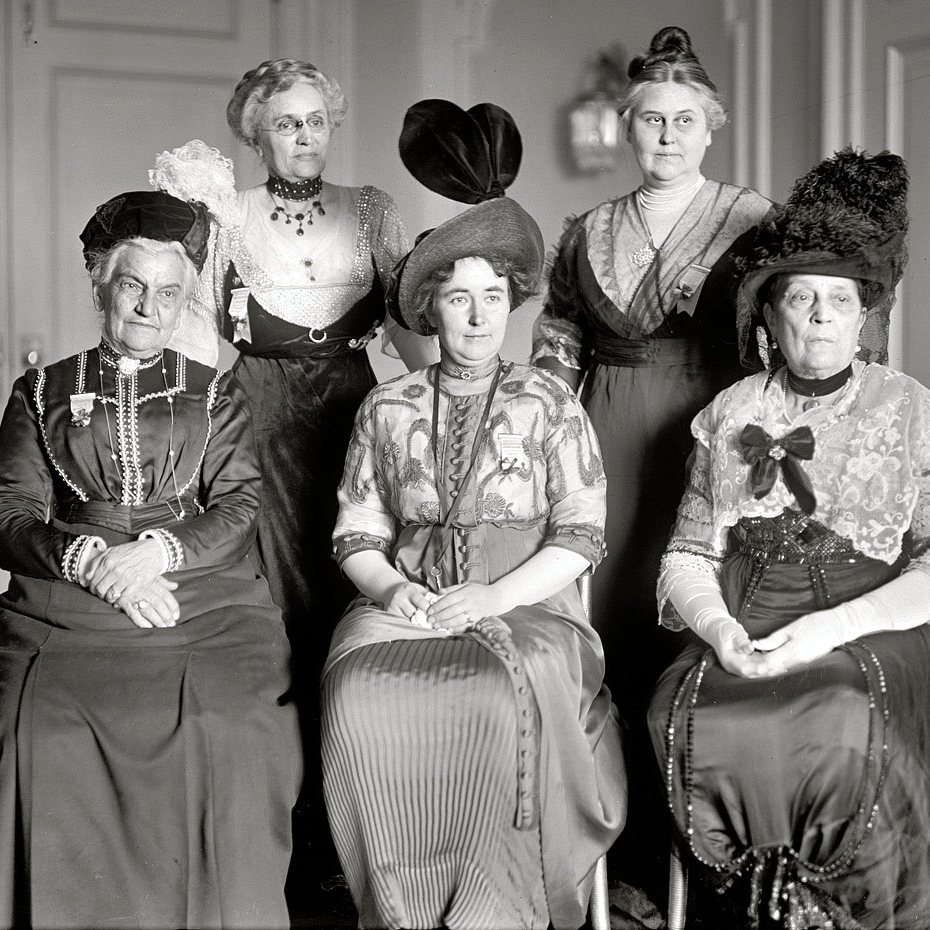
Heroines to remember at International Anti-Vivisection Congress, 1913
The topic of vivisection (using animals to find medical cures instead of humane medical research) was just as controversial over 100 years ago.
The case of the little brown dog (whose suffering caused riots between anti-vivisection campaigners and medical students) is now commemorated as a statue in London’s Battersea Park. Victorians led the way to found societies campaigning for alternatives.
The lady in the centre was Lizzy Lind of Hageby (above front centre), a Swedish-British woman who was one of our most noted anti-vivisectionists, back in the day (along with writers James Allen and George Bernard-Shaw). She and others even enrolled at medical school, so they could fight their argument using science.
Educated at Cheltenham Ladies College, while other graduates were learning to embroider things, she was out leading rallies for animal welfare.
When in 1914 one Daily Mail journalist at Glasgow Vegetarian Society expected to find a ‘square-jawed and severe woman’ he found a ‘pretty woman with twinkling brown eyes in a blue dress’, who was so logical in her arguments that he almost converted on the spot!
Vivisection is a social evil. Because if it advances human knowledge, it does so at the expense of human character. George Bernard Shaw
In later years, Lizzy set up veterinary hospitals for horses wounded in the war, protested against hunting pregnant hares, opposed the sale of old horses to slaughterhouses, and opened a sanatorium in France for wounded soldiers.
She left most of her estate to The Animal Defence Trust, which even today gives grants to small animal welfare causes. What a woman!