The History and Purpose of Kent’s Oast Houses

Oast houses are unique Kentish buildings that were used to dry hops to brew beer, the conical roofs designed to create a draught for the fire, the cowls on top pivoted to control airflow. Today they are listed buildings, but most now holiday homes (they cost a fortune to buy).
Kent is a large county in southeast England, home to the ancient city of Canterbury, leafy affluent commuter towns, the white cliffs of Dover, and seaside resorts not far from the French coast.
Independent shops also thrive in Canterbury’s medieval streets. The Crooked House Bookshop is a wonky building with leaning walls (like our own Tower of Pisa!) It dates from the 1600s, and somehow is still standing up, despite gravity pulling it sideways!
If out walking, always follow the Countryside Code to keep all creatures safe. If at the coast, read about how to keep dogs safe by the seaside.
Why Does Kent Have So Many Fruit Orchards?
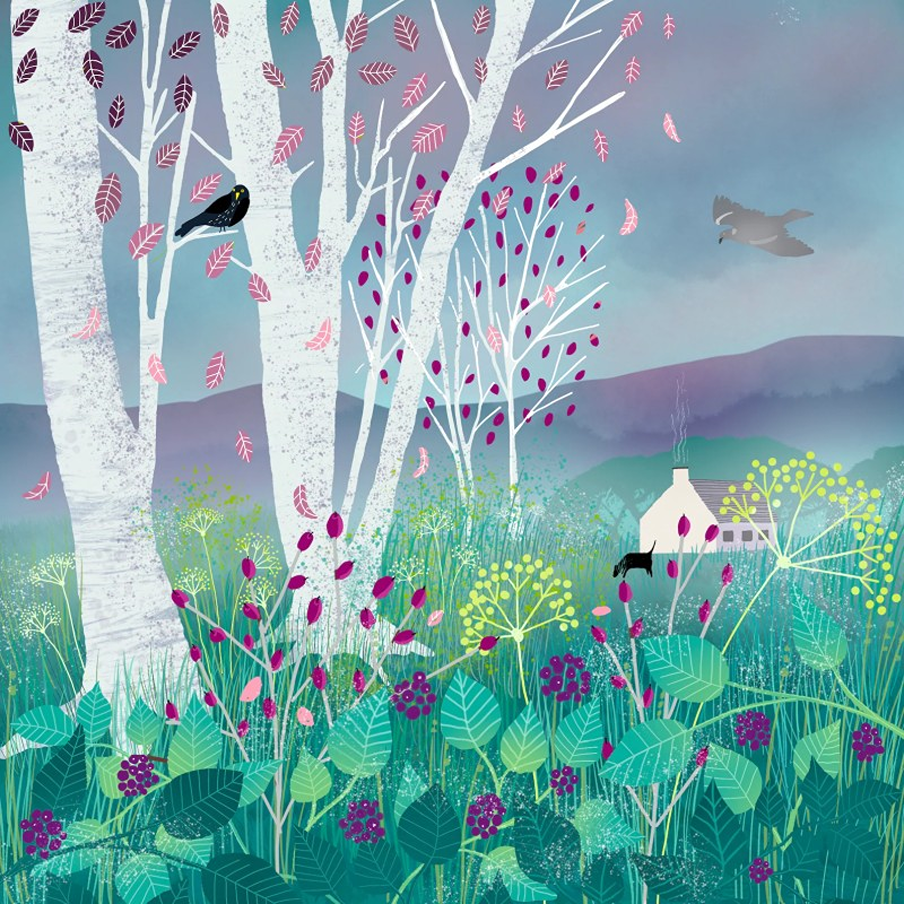
Like Herefordshire, Kent is known for producing local organic apples, pears, plums and cherries, through an abundance of fruit orchards. so help to protect our heritage orchards by supporting farm shops that sell local fruit, juice and cider. Orchards also give free food and shelter to birds and wildlife.
Keep apple chunks away from babies (choking hazards) and fruit pips/seeds/cores away from pets (due to natural cyanide). Ask permission before feeding to equines (too many cause colic). If given permission, feed cut up (cored) apple slicers from a flat palm, to prevent choking).
Kent has so many orchards, simply due to the mild climate and fertile soil, a match made in heaven for growing fruit. Kent grows 90% of England’s cherries and 50% of its plum.
The other ‘county crop’ is Kentish cobnuts, a kind of hazelnut, with a sweet flavour. Unlike most nuts, these nutritious nuts are sold fresh, in season from late August to October. Some say they taste like a cross between coconut and citrus fruits.