A Beginner’s Guide to Living Off-Grid!
Imagine waking up to the sound of birds, not alarms. No flickering screens. No static from the radio or hum from the mains. Just crisp air, wide skies, and the knowledge that you’re shaping your own day, not the other way round. Living off-grid in England is no longer a quirky side project, it’s an option more people are choosing.
Drawn by the promise of sustainability, independence, and a deeper sense of wellbeing, off-grid life is gaining ground. Nature cabins have become beacons for anyone itching to unplug and find out what living off-grid feels like, even for a short spell.
What Does Living Off-Grid Really Mean?
You often hear people talk about ‘going off-grid’ but what does it actually involve? It basically means cutting ties with the national utilities networks, no longer relying on the electric grid or mains gas.
Water comes from the sky (say from water butts and rainwater harvesting). Instead of a tap linked to a city reservoir. Energy comes from green buildings that need far less energy (usually produced in the form of a solar panel). And Internet is replaced by reading books, or going outdoors!
It doesn’t have to be all-or-nothing. If you don’t fancy living in the woods, you can simply be inspired and take small steps:
- Electricity in the hands of the sun. Solar panels or even small hydro set-ups keep the lights on.
- Collecting and purifying your own water, harvested from rainfall, wells, or streams.
- Heating using wood stoves or biomass, rather than gas.
- Simple, low-impact living, sometimes with composting toilets.
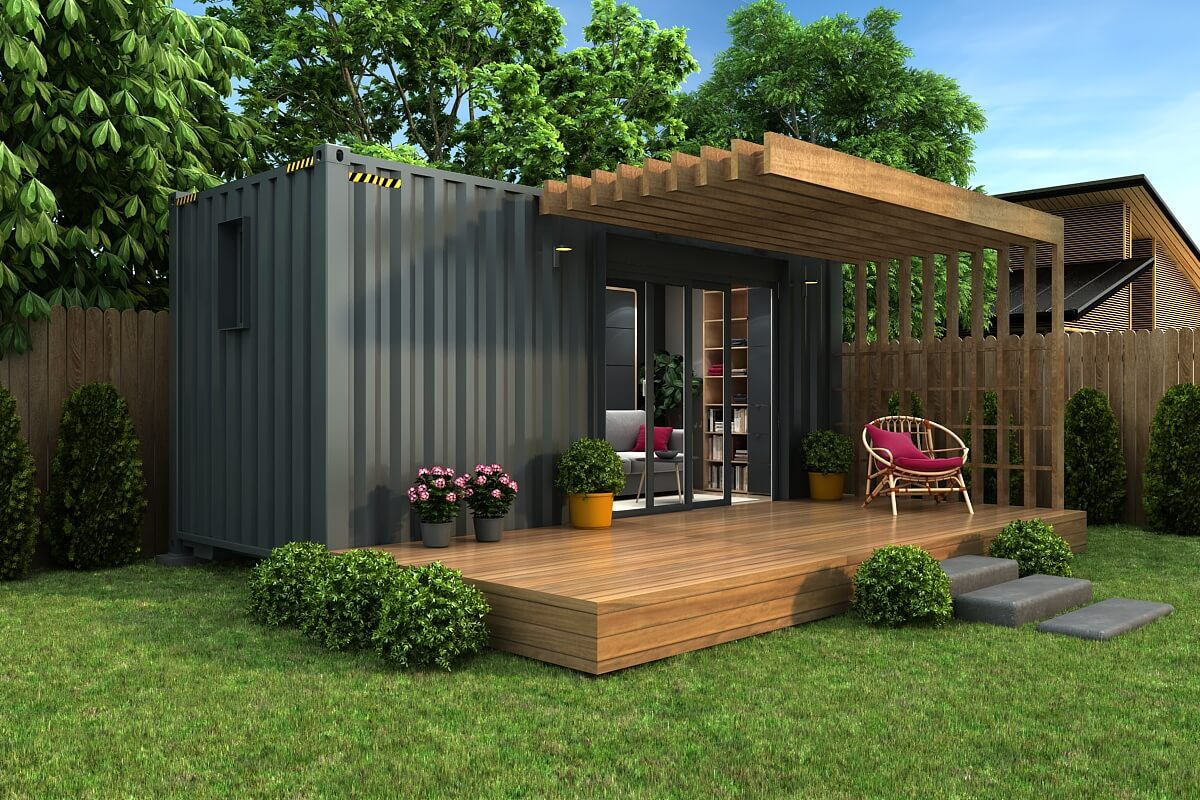
Live Off Grid is a good site from experts, who cover all the bases. It offers nice halfway-houses that let you kind of live off-grid in garden buildings. Giving the mod cons and far lower bills, without building your own mud hut in the woods!
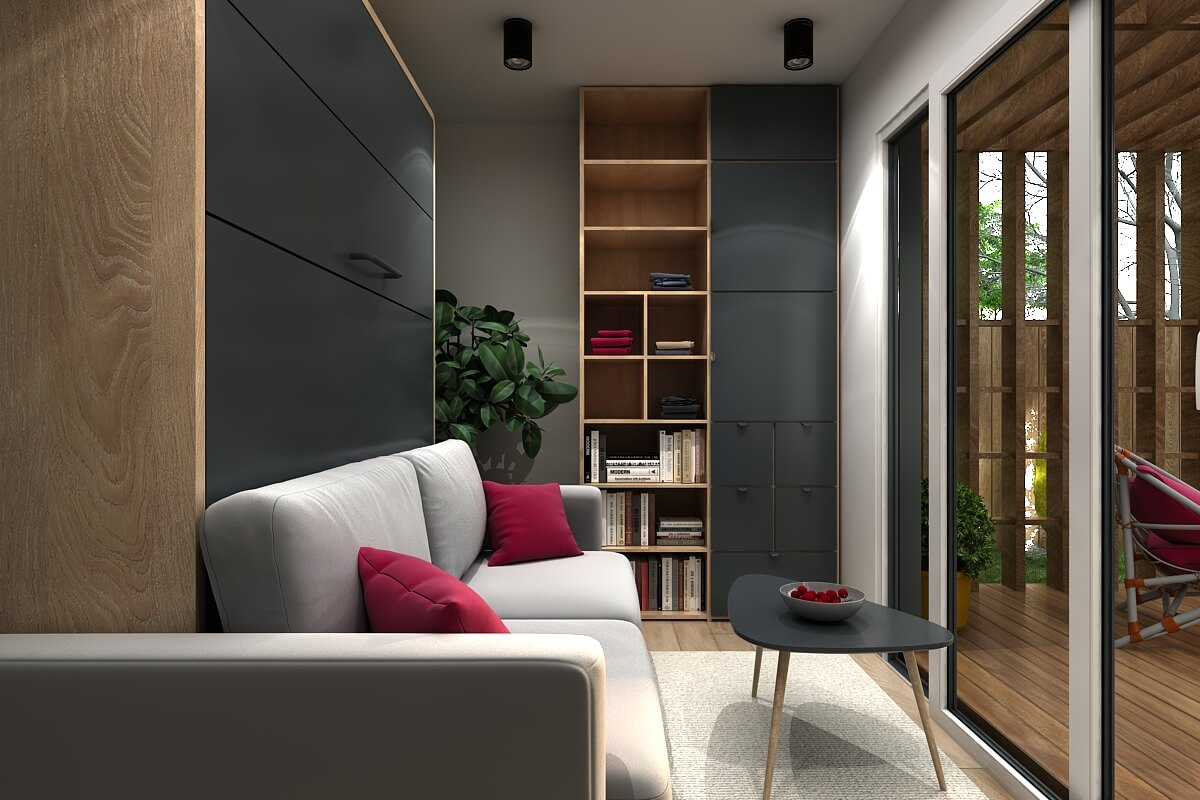
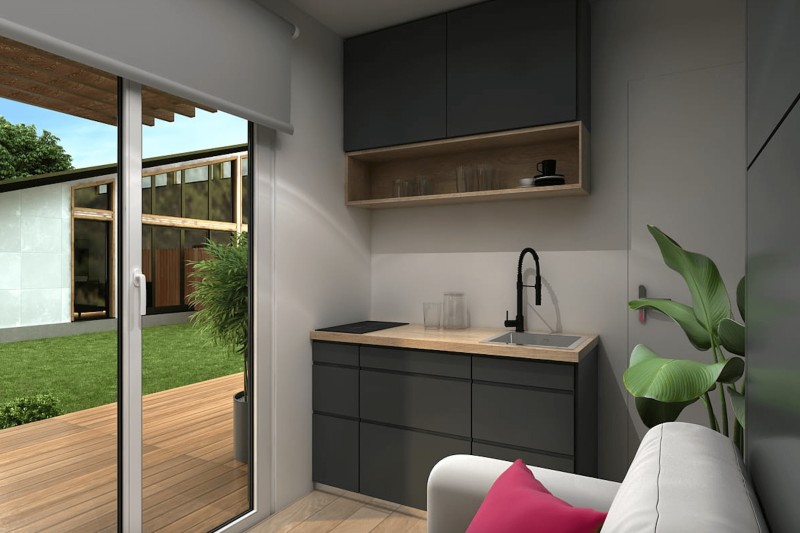
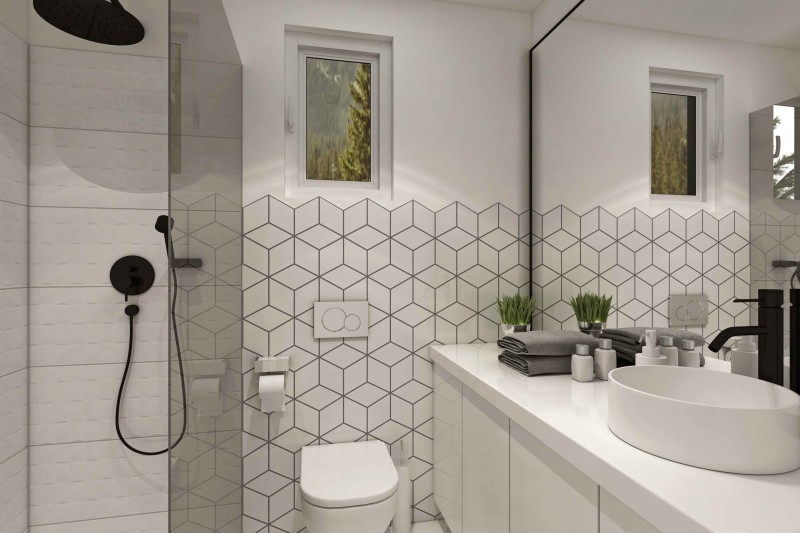
This 20ft shipping container is portable and eco-friendly, with open plan living space, a side entrance with sliding doors, triple-glazed windows and doors, plus full electrical installation and plumbing (including a loo – not ‘shi**ing in the woods!’
Essential Elements of an Off-Grid Lifestyle
To make off-grid life possible in England, you need answers to a few basic questions. Where does your water come from? How will you power your essentials? What about heating in the winter?
- Sourcing Water: Most off-grid homes in England collect water from rainfall or groundwater. This means having water storage tanks, filters, and sometimes UV purification.
- Generating Power: Solar panels do much of the heavy lifting in Britain, thanks to improvements in efficiency. Even on cloudy days, modern panels pull in enough energy for lights, phone charging, and fridges.
- Heating Solutions: Winters are tough. Most off-grid setups use wood-burning stoves, log burners, or heat pumps. Efficient stoves can warm a cabin all night with a single log load, if you insulate well.
- Waste management: Composting toilets turn waste into safe, useful compost. Greywater (from sinks or showers) gets filtered and used for plants.
Growing Your Own Food
Many off-grid homes include a greenhouse or a small veg patch. This closes the loop on food and waste, helping create a resilient, low-cost lifestyle.
Read our posts on pet-friendly gardens and wildlife-friendly gardens, and how to stop birds flying into windows (don’t face indoor plants from homes or greenhouses to outdoor gardens).
How to Start Your Off-Grid Journey
Choosing the Right Location and Community
Finding the right spot is key. You want legal, accessible land with clean water. Britain’s countryside varies a lot in rules, so always check local council requirements and planning regulations. Look for communities of like-minded people, whether co-operative farms or eco-villages.
Step-by-Step: Transitioning to Off-Grid Living
- Make a plan. Picture the life you want. Do you want total independence or a gradual move?
- Set a budget. Tally up costs for land, kit, and running repairs.
- Learn the right skills. Things like carpentry, plumbing, gardening, and even basic electrics.
- Start small. A garden solar project or composting toilet can be your first hands-on step.
- Join a network. Find groups, courses, or meet-ups for support and troubleshooting.
- Go slow. People who succeed at off-grid living rarely rush. Let your journey grow at its own pace.