Artisan Vegan Beers and Stouts (where to find them!)

We all like a nice beer. Here are some good artisan brands, which are also vegan-friendly. For no-alcohol and low-alcohol beers, see the post on help for alcohol addiction (doesn’t mean you’re an alcoholic, but it makes sense to put those brands there!
Before recycling, pop the ring-pulls back over the cans, to help avoid wildlife getting caught inside. Set up a can recycling program to raise money for your community! Never buy beers wrapped in plastic rings, they harm wildlife (if you see any, rip the holes and securely bin).
Toast Brewing (artisan beers made with bread waste)

Toast Brewing replaces 25% of brewing yeast with surplus sandwich loaves and ‘heel ends’ from bakeries. So far saving 3 million slices of bread from going to landfill, other malt is bought from regenerative farmers, with spent grains collected by local farmers.
The company also gives 100% of profits (after costs and staff salaries) to good causes, mostly to a food waste charity. Volunteers for its Gleaning Network turn surplus farm produce into free meals, and once even cooked a dinner to ‘feed the 5000’. Jesus would be proud! Tristram is Toast Brewing’s ‘Golden Shareholder’, to ensure it never ‘sells out’.
Although beers use bread without seeds, nuts, fruits or vegetables (to avoid flavour contamination), upcycled ingredients means there are no allergy guarantees. The company also does not use oily bread – so no focaccia beer!)
Choose from:
- Grassroots Pale Ale (peaches, passionfruit & pineapple)
- Rise Up Lager (an English Helles-style beer)
- New Dawn Session IPA (punchy citrus & floral notes)
- Changing Tides (0.5% low-alcohol citrus-spice lager)
Toast Brewing uses upcycled bread at the heart of their recipes. Each slice replaces some of the barley that would usually go into beer. By rescuing bread, they reduce food waste and give new life to what others throw away. This lowers demand for extra crops, cuts greenhouse gas emissions and keeps our bins a little emptier.

Surplus bread doesn’t mean lower quality or odd flavours. Toast beers taste crisp and fresh. The bread brings gentle notes, adding to the depth of the drink. You’ll find the same quality and finish you’d expect from any top beer. Every pint is proof that no taste is lost by making use of good leftover bread.
Crumbs Brewing (beers from bakery bread waste)

Crumbs Brewing has made a name for itself in Surrey by turning leftover bread into award-winning beer. This list shares everything you need to know about how one small local brewery uses old bread to create great-tasting beers while fighting food waste.
From their unique brewing process to their positive impact on the Surrey community, you’ll see why their story deserves a toast. Enjoy these friendly facts served with a warm heart.

The team replaces a third of the malted barley in each brew with surplus bread. This old bread, from local bakers and shops, gives each batch a natural character.
By using unsold loaves that would be tossed, Crumbs Brewing keeps their ingredients simple and honest. The process brings out unique notes in every beer, whether using sourdough, rye or white loaves.

Every bottle of Crumbs beer stops about one slice of bread from going to waste. In a year, the brewery rescues thousands of loaves that would end up in landfill.
These efforts help local bakeries and shops reduce their waste while showing how old bread still has value. It’s a practical and tasty way to fight food waste in Surrey.
Each Crumbs brew celebrates a different bread. The range (all vegan bar the Naan bread lager which contains milk) includes:
- Unwasted Hazy APA – brewed with sourdough and notes of mango, fresh berries and stone-fruits.
- Bloomin’ Amber Lager – brewed to a Vienna recipe, with a malty finish.
- Rye Ruby Ale – a dark warming beer, ideal in front of the fire
- Sourdough Pale Ale – a refreshing zesty beer
Supporting Local Bakers in Surrey

Crumbs partners with bakeries across the region, including Chalk Hills Bakery and other family-run shops. They also give back to local causes, support food charities, and run tasting events at markets, pubs and fairs.
This focus on community keeps their work grounded in Surrey’s rich food scene, bringing people together over a pint with a purpose.
Stroud Brewery (vegan cask & bottled beers)
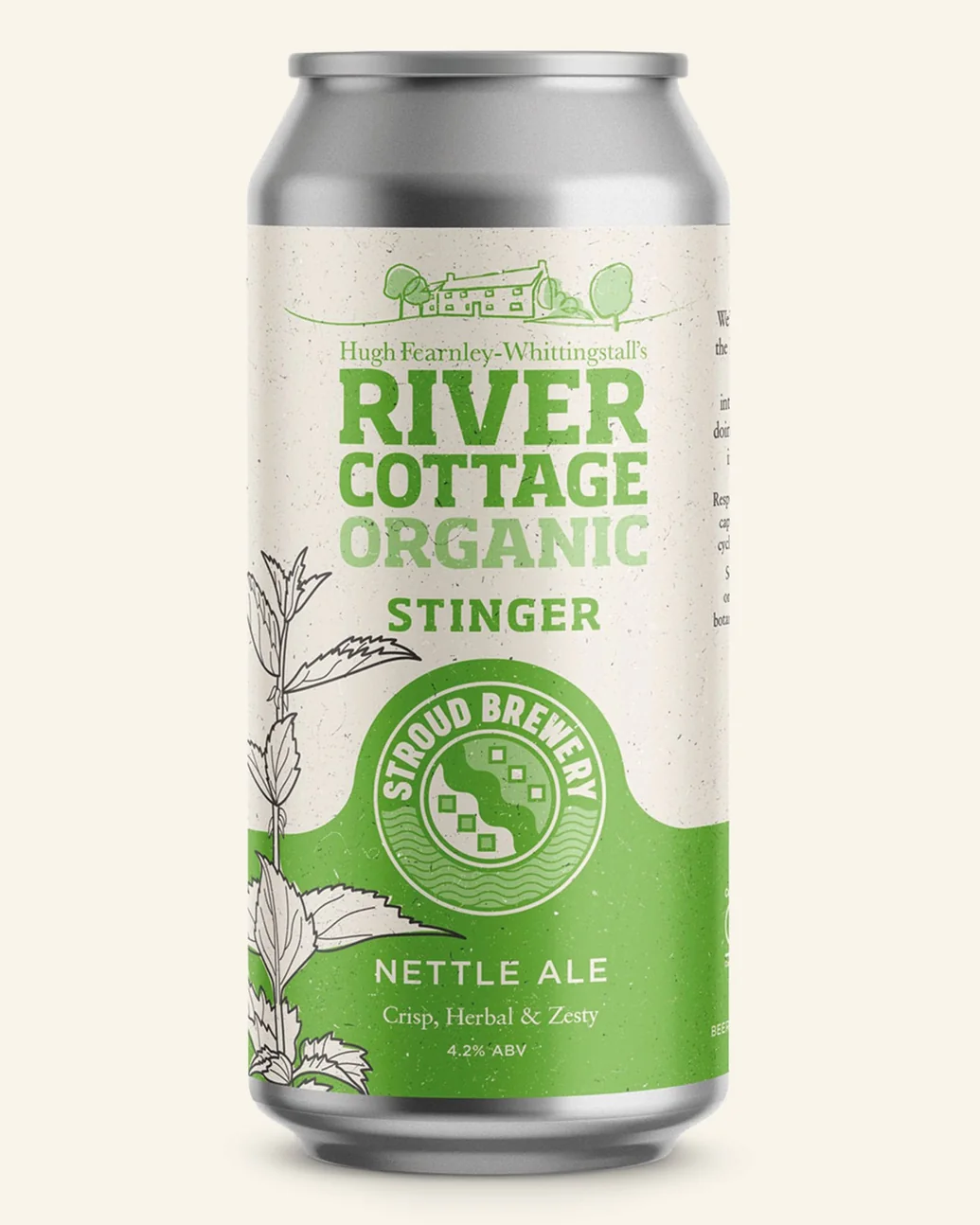
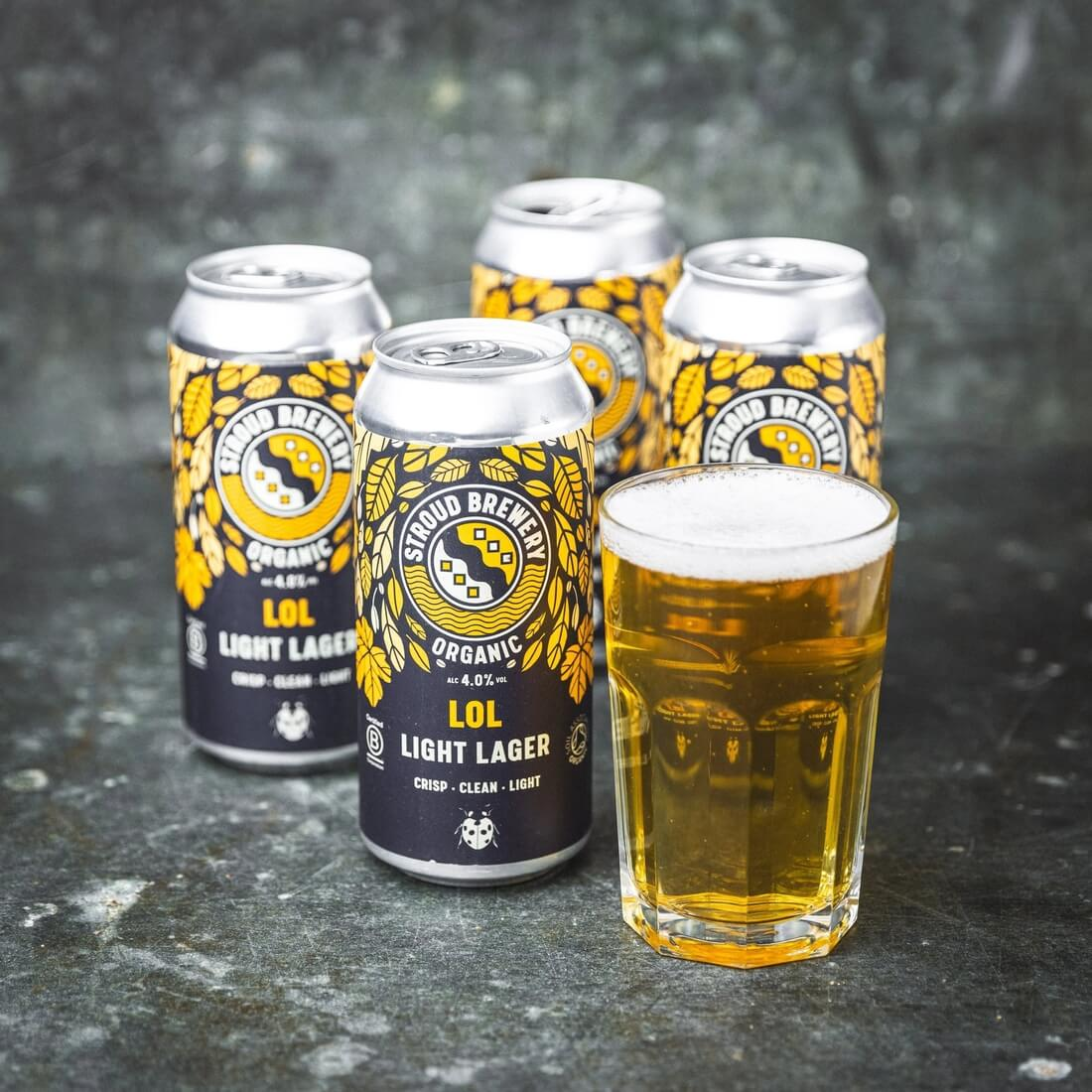
In Gloucestershire, Stroud Brewery has been quietly proving that vegan beer can be full of character, at home or in pubs. This indie brewery uses natural ingredients, avoiding animal products (like gelatine or isinglass – fish bladder). If you want beer that respects the environment and still tastes brilliant, Stroud shows how it is done.
- Budding: A bright pale ale with floral aroma and light citrus. The malt stays crisp, the finish is clean, and the hop bite is refreshing rather than sharp. Ideal for a first pint and still interesting by the third. Pairs well with salty snacks, grilled chicken, or a light veggie pie.
- Tom Long: Amber in colour with biscuit malt, soft caramel, and a lift of orange peel and subtle spice. It is balanced, smooth, and very drinkable. Try it with cheddar, sausages, or roasted root veg. The gentle bitterness keeps each sip tidy.
- Organic Best: A classic best bitter profile with earthy hops, toffee-edged malt, and a rounded finish. It is steady and satisfying, a proper pub pint that rewards a slow session. Serve with a ploughman’s, pies, or mushroom dishes.
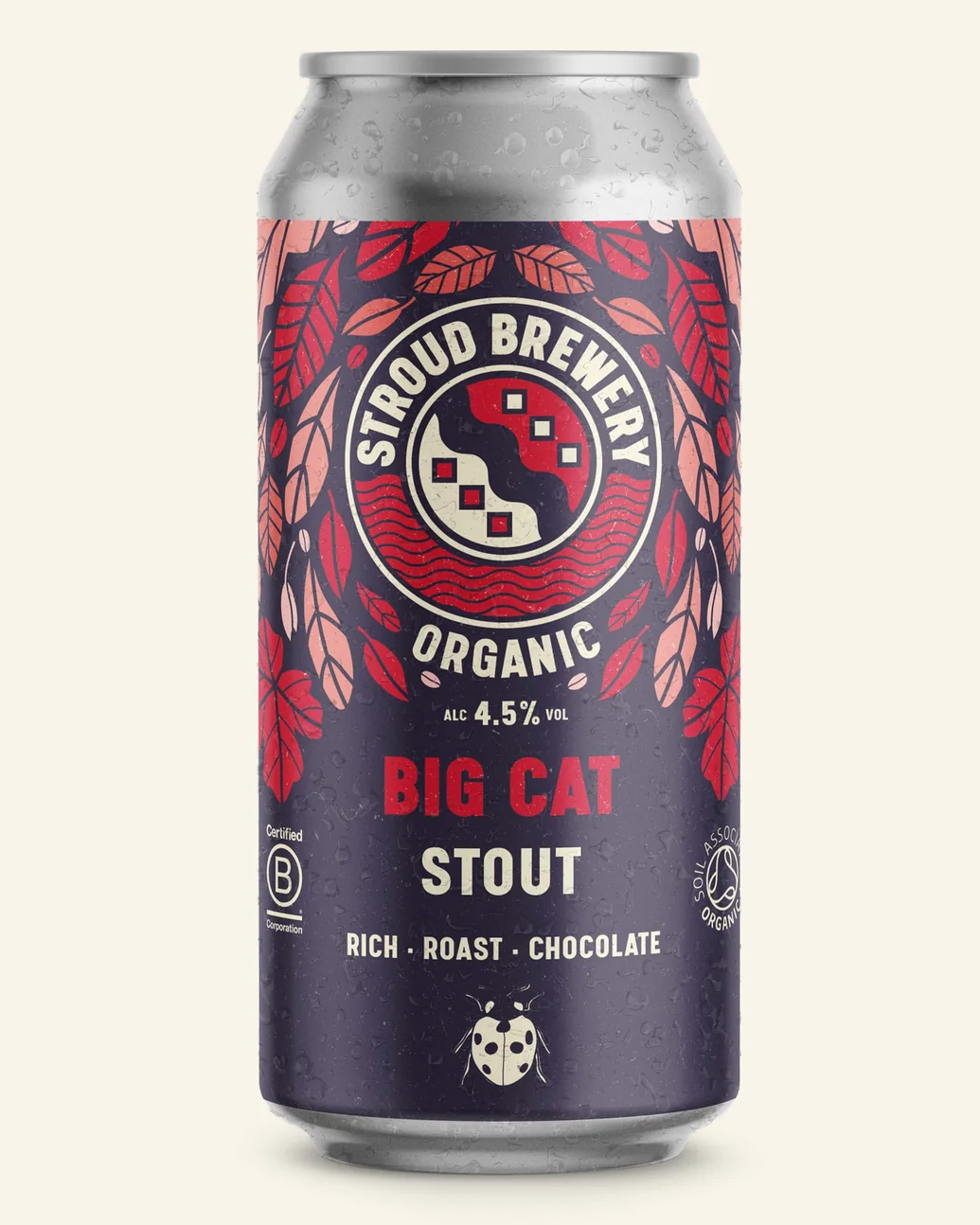
- Organic Lager: Pale, crisp, and clean, with a gentle herbal hop note and a dry finish. It is refreshing without being thin. Keep a few cold for easy pairing with fish-free chips, falafel wraps, or pizza.
- Big Cat Stout: Dark chocolate, roasted barley, and a hint of coffee on the nose. The body is smooth, the bitterness firm but friendly. Great with rich stews, grilled mushrooms, or dark chocolate desserts.
- Budding Pale (bottle): The bottled take on the pale ale keeps its bright hop aroma and snappy finish. It copes well with spicy food, veggie burgers, and anything with herbs.
- Seasonal and specials: Expect occasional limited releases that keep to the vegan brief. These might bring bolder hops or different malts, always with that clear Stroud signature.
Brass Castle Brewery (vegan Yorkshire beer)
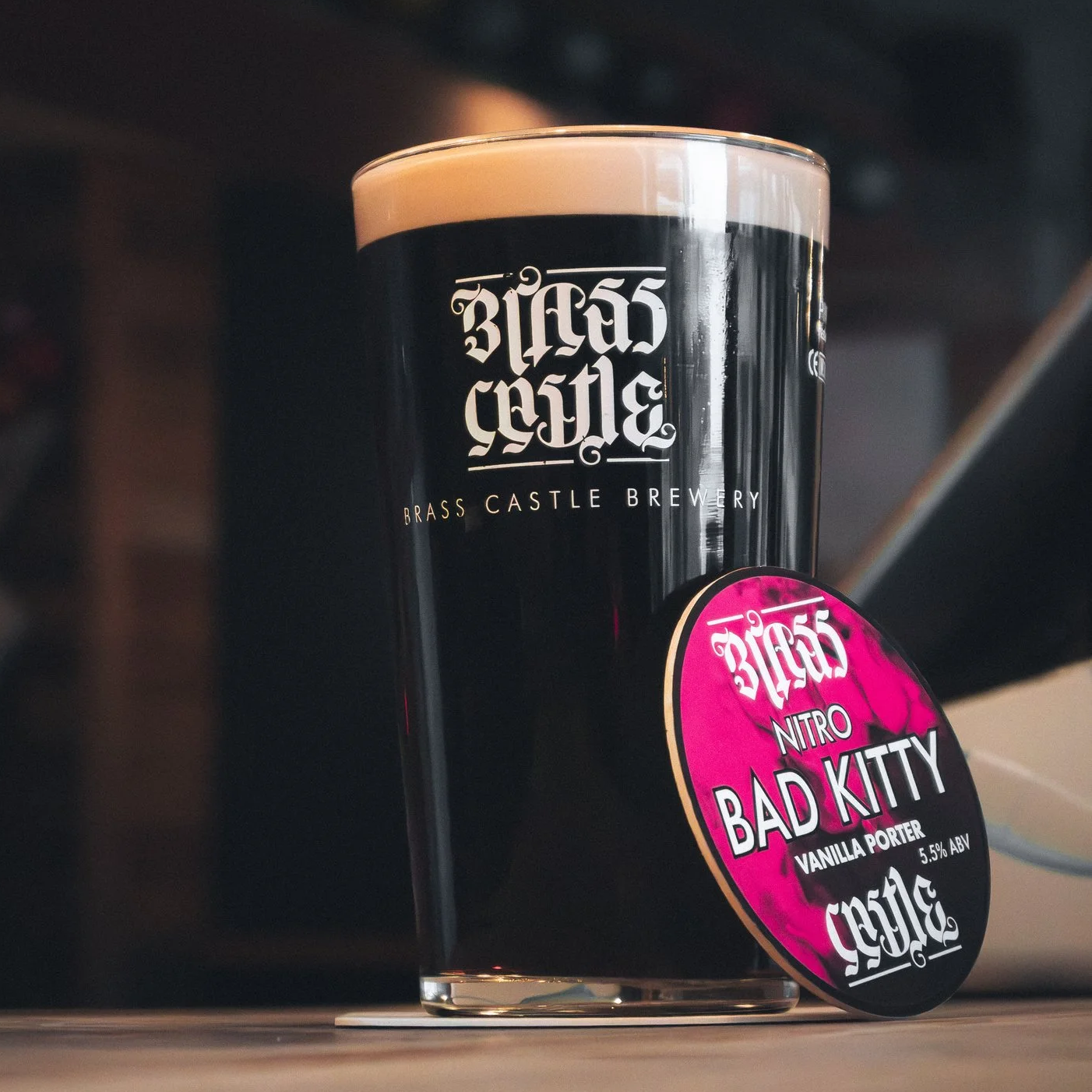
Brass Castle Brewery in Yorkshire offers not just canned beers, but vegan cask ale too, proving that no brand needs to filter through animal bones or fish bladders.
From its base in Malton, the brewery has grown from a close-knit group of friends into a respected producer with national reach. The focus has always been on flavour and a Yorkshire sense of pride.
Brass Castle is fully vegan, which means no gelatine, no isinglass, and no animal-derived processing aids. The entire range is brewed to be vegan friendly, and it carries gluten-free certification, so it suits a wider audience. The brewery draws on high-grade hops and malts, and where possible supports producers that share a similar outlook on quality and responsibility.
- Bright pale ales: Around 4 to 5 percent ABV, with zesty citrus and light pine. Ideal for pub nights, barbecues, or pizza with friends. Often available in cask, keg, and cans.
- Modern IPAs: 5 to 7 percent ABV, with juicy hop character and a firm finish. Good for curry nights or bold, spicy vegan dishes.
- Rich porters and stouts: 5 to 6.5 percent ABV, layered with chocolate and roasted coffee notes. Perfect by the fire or paired with vegan brownies.
- Crisp lagers and Kölsch-style beers: Clean, snappy, and food-friendly. Great with tacos, salads, and tempura veg.
- Seasonal specials: Fruit-forward sours, dark winter warmers, and hop-driven one-offs. Catch them at the Taphouse while they are fresh.
Fauna Brewing (beer to help endangered species)
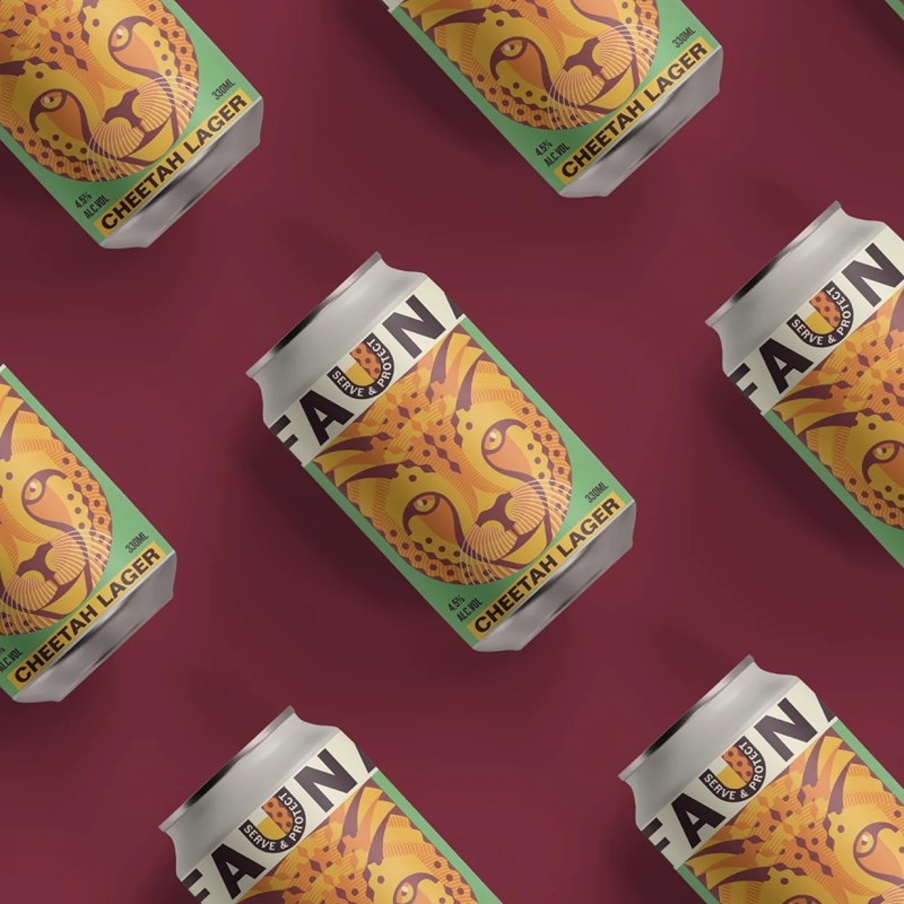
Fauna Brewing is a wonderful company, that makes cans of beers, each one with lovely illustrations to denote which creature your beer-supping is helping.

Fauna Brewing is a wonderful company, that makes cans of beers, each one with lovely illustrations to denote which creature your beer-supping is helping.
Brewed near the beautiful West Sussex town of Arundel, you can also buy variety packs. The range includes:
- IPA (helps African wild dogs)
- Cheetah Lager (helps the fastest land animal)
- Cheeky Chimp (a low-alcohol beer)
- Low-alcohol table beer to help pangolins
Brewgooder (beer that funds clean water projects)

Brewgooder stands out in the world of beer for more than its refreshing taste. This brand pours purpose into every pint, helping fund clean water projects in countries that need it most.
The company founder caught a parasite from dirty water while travelling in Nepal and since then, the company uses profits to build clean water projects worldwide.

For every can of Brewgooder sold, a part of the profit goes straight to clean water projects. The brand works with trusted partners to fund wells, boreholes and sanitation programmes in communities without safe drinking water.
Brewgooder’s reach spans many countries, from Malawi to Nepal. These projects bring more than water—they support schools, reduce disease, and free up time for children to learn and play.

Brewgooder doesn’t just do good, it tastes good too. Their range is brewed with quality hops and malt. These beers have won taste awards, showing you don’t have to sacrifice flavour for ethics. Crisp, clean and balanced, they suit a summer BBQ or a cosy night in.
The range includes:
- New England IPA (hazy and juicy)
- Lager (crispy and zesty)
- Session IPA (hoppy and light)
- Hazy IPA (soft and citrusy)
- Tropical Ale (fresh and fruity)
Reasons to Boycott Plastic Beer Can Rings

E6PR is the very ‘name doesn’t roll off the tongue’ for an incredible invention that could save millions of birds and wildlife. Although some supermarkets have now banned their sale, those plastic can holders that surround many beers and ciders are lethal to wildlife.
Invented by a team of brainy engineers, these are the gold-standard and used worldwide for many brands of beer. If you don’t already pack in cardboard, you can order test packs in different sizes, to ‘try before you buy’.
It’s known that consumers will always pay a few pence more, for items that are good for wildlife and the planet.
It’s unclear why plastic beer can holders are still on sale following the single-use plastic ban, but they appear to be around, as you often find them littered on the street.
Although sometimes advertised as ‘biodegradable’, this takes months and meanwhile they are invisible, so get caught around necks of wildlife, or are accidentally ingested as microplastics. If big brands like Stella Artois can manage to pack their beers in cardboard, so can the others.
Many creatures have been found trapped in plastic beer/cider rings. These include seagulls, sea turtles, squirrels, cats, ducks and hedgehogs (one was found dead in Swindon, having suffocated when getting trapped in a discarded one).
This company can also offer various compostable options for food service, as an alternative to plastic. Whilst politicians and media pundits waffle on about reducing litter and plastic waste, it’s small companies like these, that are actually ‘walking the talk’ and finding solutions that could be implemented today.
Home Brew Beer (a book of over 100 recipes)
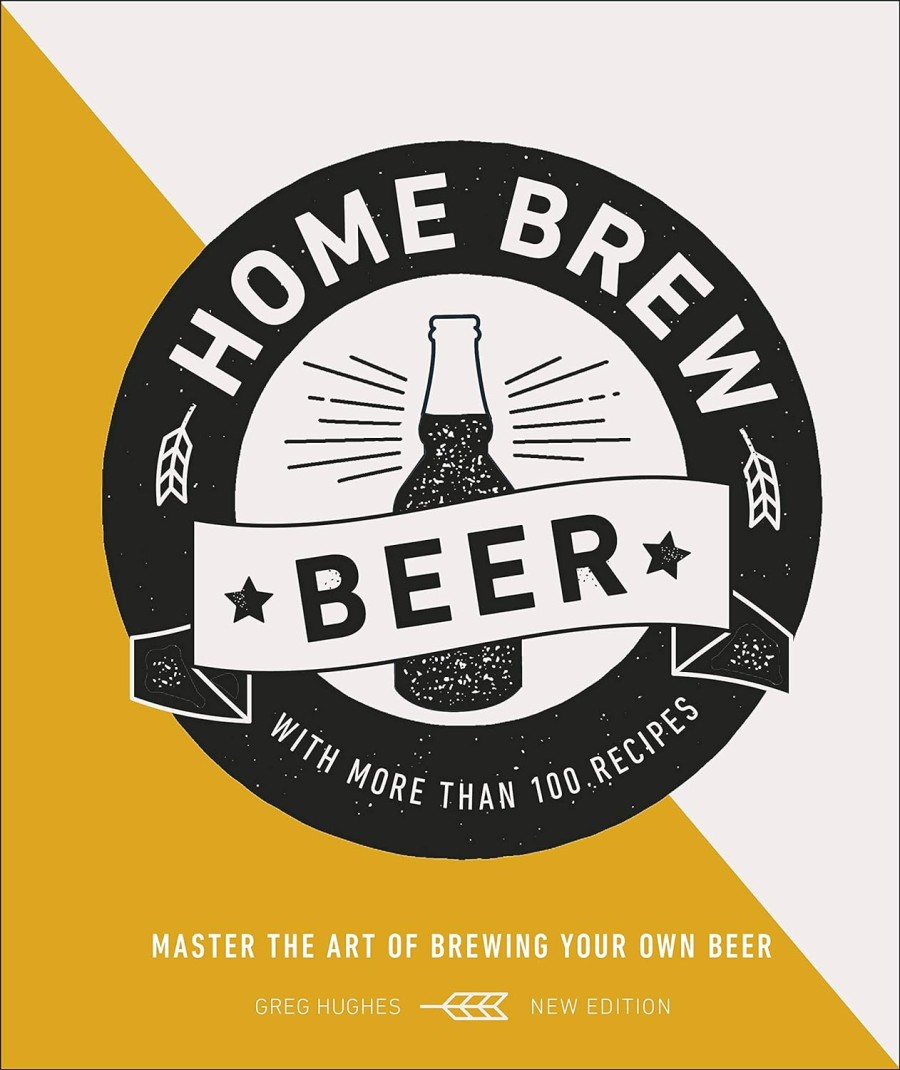
Brewing is a skill that requires some studying as you have to know how to properly sanitise the beer for safety and then how to either put it in bottles or kegs.
You’ll also need to invest in a few pieces of equipment (like a brew kettle and mash run), and obviously find a safe space to brew in. Plus you’ll need to buy your beer-making ingredients like malted barley or malt, alongside hops and brewing yeast.
Home Brew Beer is a book to show you every step to make your own beer, with 30 spreads on home brewing techniques, alongside 110 recipes and 100 photos.
Learn how to choose the best malt, yeast and hops, and learn the base equipment you need to get started. Each recipe is suitable for the full-mash technique. Beer recipes include:
- London bitter
- American IPA
- Imperial brown ale
- Munich helles
- Ginger Beer
- Blueberry stout
- Belgian tripels
- Bohemian pilsner
- Mexican cerveza