Discovering the Idyllic Islands of England

As an island nation, England has its fair share of islands. Along with Isle of Wight and Isles of Scilly, let’s meet a few of the smaller ones!
Farne Islands: England’s Marine Wildlife Haven
The Farne Islands are home to many of England’s marine wildlife, including over 40,000 pairs of puffins during breeding season, large breeding colonies of Atlantic grey seals, and over 200,000 breeding pairs of other birds (Arctic terns, guillemots, razorbills, and eider ducks).
Dogs (including assistance dogs) are not allowed on the Farne Islands, due to wildlife. A few ferry owners may let dogs stay with them (or enjoy local dog-friendly beaches (check seasonal restrictions).
If at the coast, read about how to keep dogs safe by the seaside.
Northumberland is a beautiful county. Despite being cold and windy, it also is one of the least populated, so ideal if you prefer puffins to people!
There are three lighthouses on the Farne Islands. Longstone Lighthouse is linked to the rescue by Grace Darling and her father Robert in 1838 (rowing out to save shipwreck survivors, in rough seas).
Less well-known is nearby Staple Island, a small rocky skerry on Outer Farne, also an important wildlife haven (not visited by humans, due to Gun Reef – a dangerous ridge of rocks).
Coquet Island, is a haven for rare birds like roseate terns, sandwich terns, puffins and eiders. Again this is a nature reserve to keep birds safe, so no humans are allowed to visit.
The Holy Island of Lindisfarne (with saints!)
Lindisfarne is a small island ( 3 by 1.5 miles) off Northumberland’s coast, with just 200 residents, but 650,000 yearly tourists. The island is surrounded by a nature reserve, home to birds and native seals.
If walking to Lindisfarne, set off 2 hours before low tide (walk with the outgoing not rising tide) and avoid poor weather/dusk, and wear good boots. Most people use the hopper bus.
The Northumberland Coast Path runs 62 miles from Berwick in the north to Cresswell in the south, and includes a visit to Lindisfarne.
St Michael’s Mount (an island off the coast)
Cornwall is quite a small county, but has quite a few islands off its wild coast. Let’s meet a few of Cornwall’s (mostly unknown) islands.
Many islands don’t allow dogs (St Michael’s Mount for instance does not allow them in warm weather for their safety, due to lack of shady areas). Many island have no lifeguards and beaches that disappear at high tide.
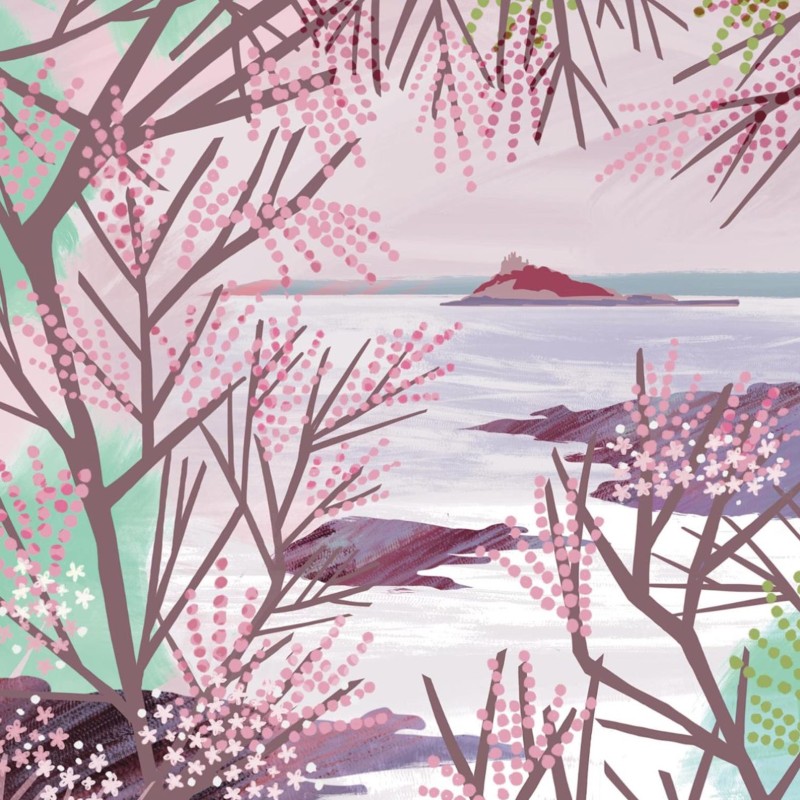
St Michael’s Mount is a tidal island that rises from the sea, off the coast of Marazion. It offers centuries of history and sweeping views.
Locals claim a giant called Cormoran once stalked the island. Others speak of the Archangel Michael appearing to fishermen in the 5th century.
Asparagus Island takes its name from the wild asparagus that grows on its slopes (toxic to humans and all creatures, so don’t eat it).
Unique Islands (off the Kent coast)

You’ve likely heard of the Isle of Sheppey (just off the North Kent coast) which has seaside towns, a harbour and two nature reserves (home to oystercatchers, redshanks, lapwings and marsh harriers).
Ian Crofton’s book on English islands has an extensive history of this island, which had unexploded bombs being left on the shoreline after World War II. Elmley National Nature Reserve draws birdwatchers with its rare waders and sweeping views.
Smaller islands off Kent’s coast include:
Burntwick Island lies in Medway Estuary, cut off from the mainland by muddy creeks and tidal water. There’s no access by road, but you can see remains of a shepherd’s house (long left with his sheep, due to flooding) and littered Victorian glass and pottery.
The island is now a protected nature reserve, the saltmarsh home to curlews and redshanks. Seals often haul out on its muddy banks.
Burntwick was a hideout for smugglers in the 18th and 19th centuries, and also used as a quarantine site during outbreaks of plague and cholera. Old gravestones are hidden in the grass.
Deadman’s Island was named after finding the remains of 200 men and boys who dyed on ‘floating prisons’ around 200 years ago. Now a protected wetland, nobody visits.
Learn About The Tiny Islands of Essex
You don’t really associate Essex with islands, do you? But with England’s second-longest coastline, there are quite a few of them. Not all are inhabited by humans, but a few are!
Mersea Island is the most easterly island in England (inhabited by humans), connected to the mainland by The Strood, a tidal causeway that floods at high tide (so check tide times, to avoid getting stranded). The name comes from old English for ‘sea island’.
Popular since Roman times as a holiday destination, today it’s a popular sailing resort. Just five miles long and two miles wide, there is even an annual round-island race with local boats.
Canvey Island is a seaside resort on the Thames estuary, heavily influenced by Dutch engineers who helped to build its sea defences, you’ll still find historic Dutch cottages there today, with views of the Kent coast. In the first part of the 20th century, this was one of England’s most popular seaside holiday resorts.
- Bridgemarsh Island lies in the River Crouch, and supported a small community in the 19th century. After the flood of 1953, it was abandoned for good, and nature quickly took over.
- Cindery Island sits in the Blackwater Estuary, southeast of Osea. It’s a low-lying patch of saltmarsh, with waders and wildfowl feeding on the mud. You can only reach it by boat, and only at certain times.
- Foulness Island sits northeast of Southend, shielded by wide saltmarshes. It’s the second biggest island in Essex, and owned mostly by the MOD that uses it for weapons testing. Countless wading birds rest here on their journeys.
- Great Cob Island is a slim, sandy spit off the coast of Mersea, in the Blackwater Estuary. It’s surrounded by mudflats and saltmarsh, visited by birds and seals, and an important migratory route.
- Osea Island his not far from Maldon, an Edwardian retreat where you can still book self-catering cottages.
- Wallasea Island lies where the Crouch and Roach rivers meet. Home to Europe’s largest coastal wetlands restoration. Keep well away, due to sinking mud.
The Tiny Islands and Resorts of Dorset
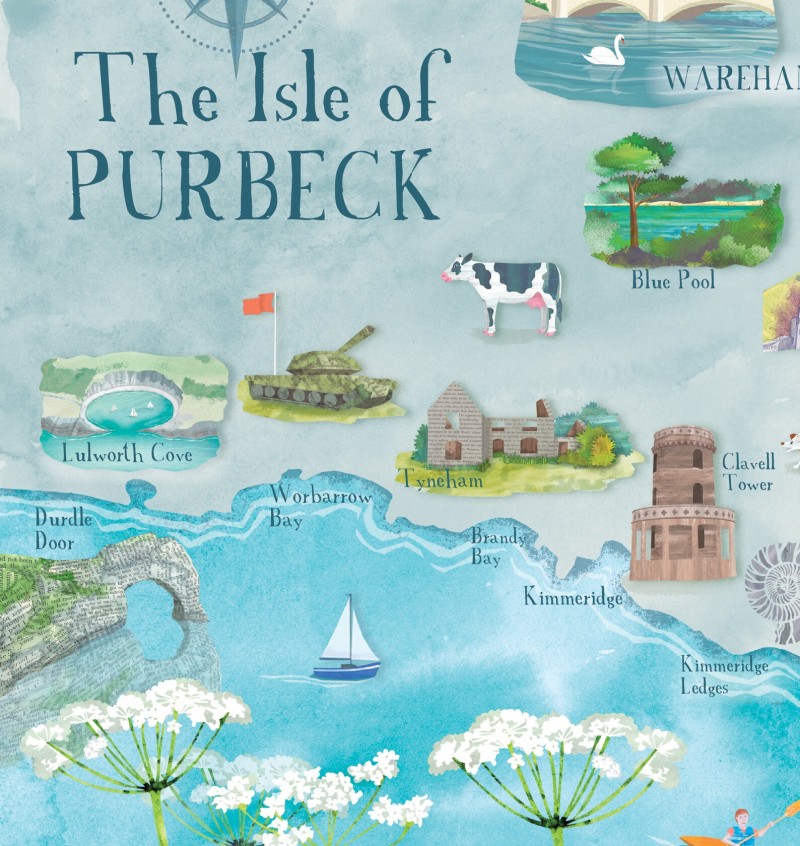
Isle of Purbeck, Maria Burns
Situated on and near the Jurassic Coast, Dorset is a large county that’s home to many well-known seaside resorts (like Bournemouth, which despite its income, has a big issue with homelessness). Next door is the pretty but less touristy town of Christchurch.
If out walking, always follow the Countryside Code to keep all creatures safe. If at the coast, read about how to keep dogs safe by the seaside.
There are also a few little gems of tiny resorts and islands:
Isle of Purbeck is not a true island, but a peninsula (and home to Jurassic coast landmarks like Lulworth Cove and Old Harry Rocks). Its key feature is Purbeck limestone, along with Corfe Castle and a major nature reserve.
Nearby Poole Harbour (one of the world’s largest natural harbours) forms the boundary. This is also the end point of the South West Coastal Path.
Brownsea is a charming little island near Poole is home to wildflowers and seabirds. And due to being an island with the right kind of trees, it’s a good spot for red squirrels. Learn how to protect both red and grey squirrels.
Arne Nature Reserve is great for birdwatching, with heathland, woodland and saltmarsh all in one place. Head out early or at sunset for your best chance to see wildlife.
Studland Bay (home to unique dunes and heathland) is a national nature reserve, home to many native reptiles (including sand lizards) and endangered seahorses. Owned by the National Trust, the beach was used to train for the D-Day landings in World War II. Live ammunition is still occasionally found, so report it to National Trust immediately.
Never walk on sand dunes, to protect nesting birds, seal pups and other wildlife. Also keep dogs away, especially in breeding season.
Visiting all 36 Islands of the Lake District
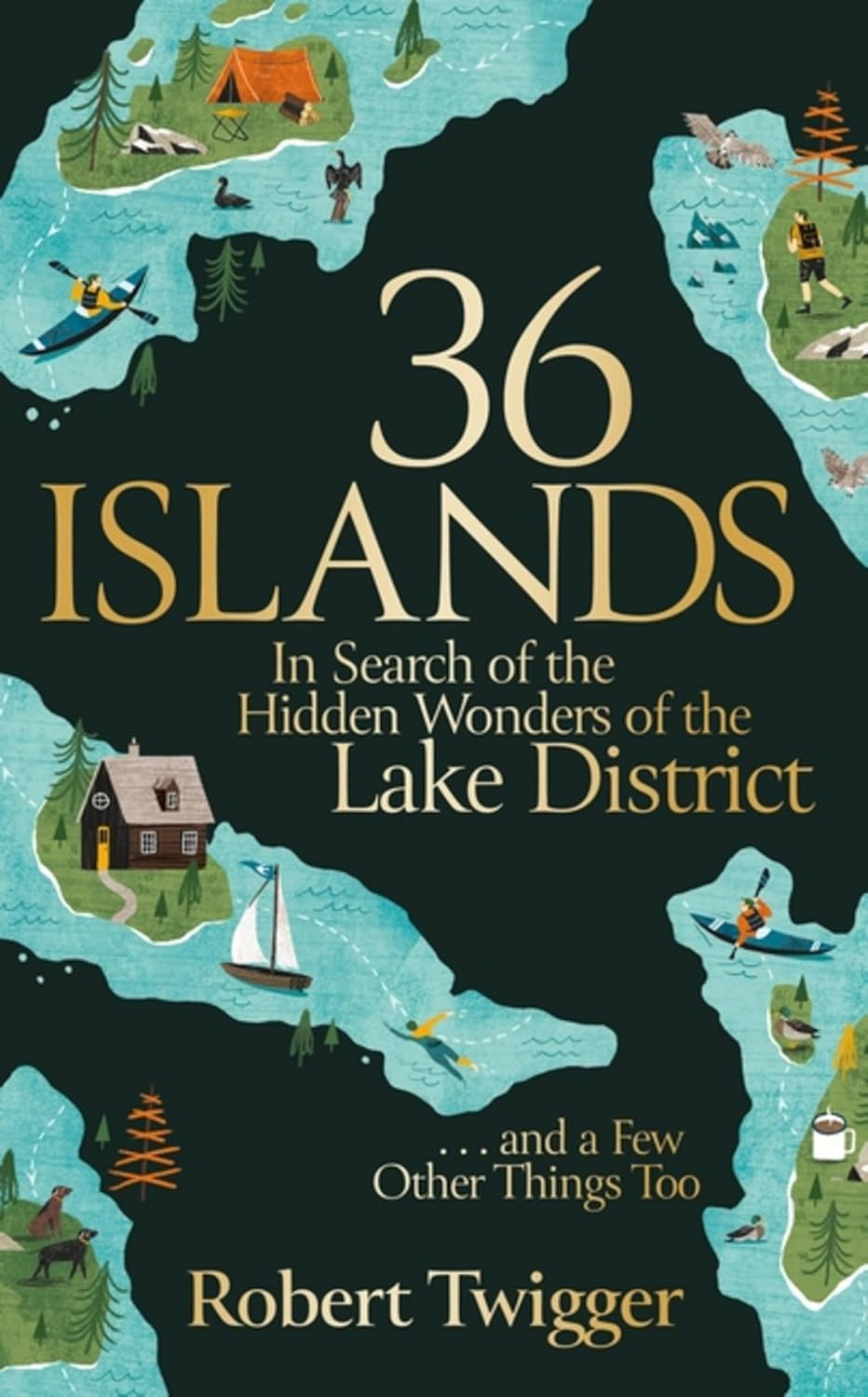
36 Islands is an adventure book with a difference, a poet who decides to visit all 36 islands in England’s largest National Park (some no more than rocks, others perfect for a night of wild camping).
Armed with just an inflatable canoe (and inspired by Inspired by Wainwright and Wordsworth), the author journeys beyond the tourists and busy roads, to islands both real and remembered.
You can feel the chill of waters creeping into your bones, as Twigger paddles his way to some of the most inaccessible spots. Shaun Bythell
He visits all the well-known lakes (and some not – who has heard of Devoke Water?) It’s usually raining, but he’s an irrepressible optimist. Fiona Reynolds
Robert Twigger is an award-winning poet, whose 12 books have been translated into over 20 languages. He has also crossed Canada in a homemade canoe, and was the first person to travel on foot across the Egyptian Great Sand Sea.
His previous book Walking the Great North Line saw him travel in a straight line from Stonehenge to Lindisfarne, to discover secrets of our ancient past.