Living Off-Grid (a complete beginner’s guide)
Living off-grid means meeting your own needs for power, water, and often waste, without fully relying on public services. That can sound big, even a bit stern at first. In practice, it usually starts much smaller.
For some people, it means solar panels and stored rainwater. For others, it also includes heating with wood, growing food, and using a compost toilet. The appeal is easy to see, freedom, lower bills, and a closer grip on daily life. Still, it takes planning, money, and steady effort. If you’re new to it, the good news is simple, you don’t need to do everything at once.
Imagine waking up to the sound of birds, not alarms. No flickering screens. No static from the radio or hum from the mains. Just crisp air, wide skies, and the knowledge that you’re shaping your own day, not the other way round. Living off-grid in England is no longer a quirky side project, it’s an option more people are choosing.
Drawn by the promise of sustainability, independence, and a deeper sense of wellbeing, off-grid life is gaining ground. Nature cabins have become beacons for anyone itching to unplug and find out what living off-grid feels like, even for a short spell.
What Does Living Off-Grid Really Mean?
You often hear people talk about ‘going off-grid’ but what does it actually involve? It basically means cutting ties with the national utilities networks, no longer relying on the electric grid or mains gas.
Water comes from the sky (say from water butts and rainwater harvesting). Instead of a tap linked to a city reservoir. Energy comes from green buildings that need far less energy (usually produced in the form of a solar panel). And Internet is replaced by reading books, or going outdoors!
It doesn’t have to be all-or-nothing. If you don’t fancy living in the woods, you can simply be inspired and take small steps:
- Electricity in the hands of the sun. Solar panels or even small hydro set-ups keep the lights on.
- Collecting and purifying your own water, harvested from rainfall, wells, or streams.
- Heating using wood stoves or biomass, rather than gas.
- Simple, low-impact living, sometimes with composting toilets.
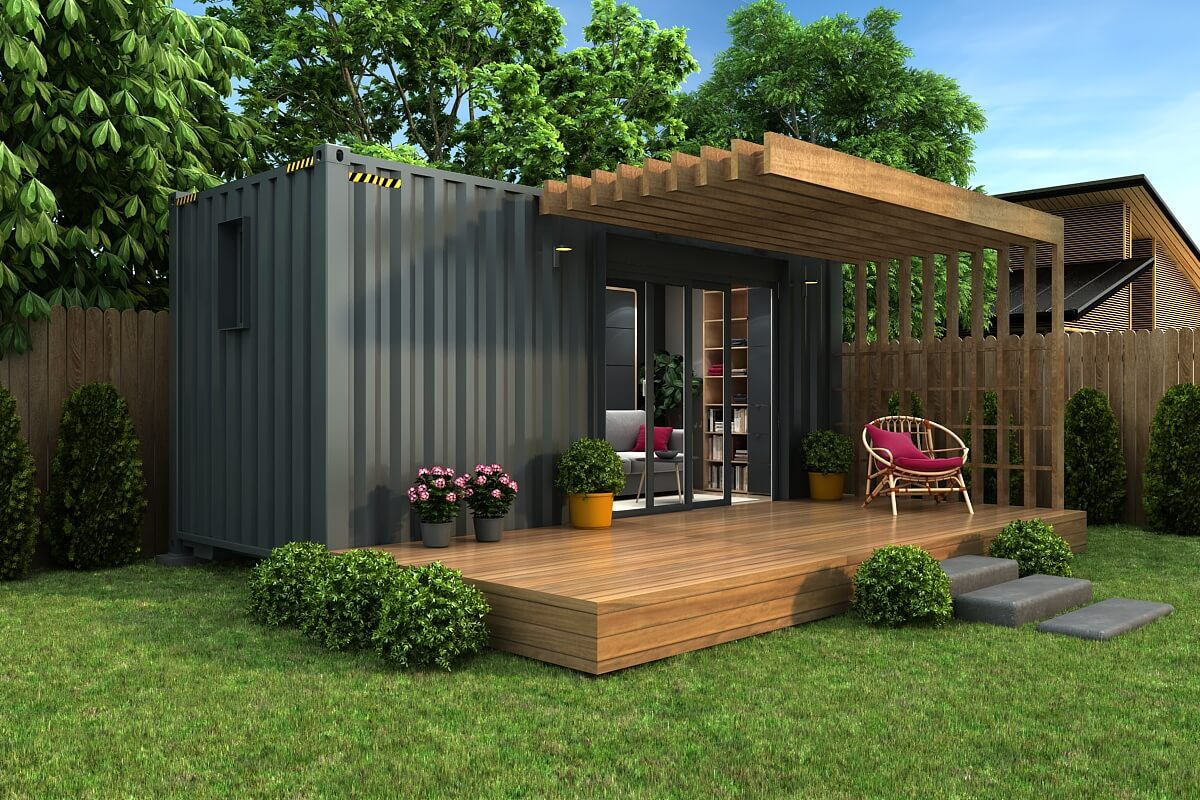
Live Off Grid is a good site from experts, who cover all the bases. It offers nice halfway-houses that let you kind of live off-grid in garden buildings. Giving the mod cons and far lower bills, without building your own mud hut in the woods!
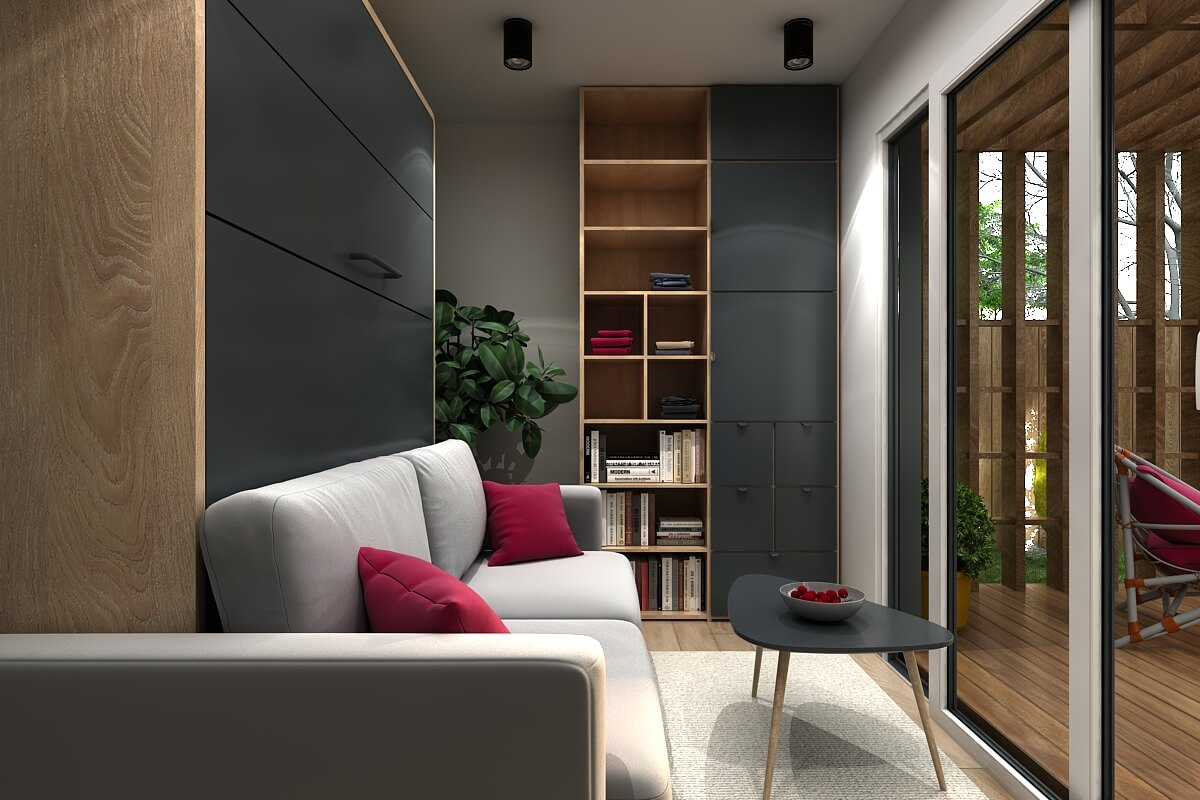
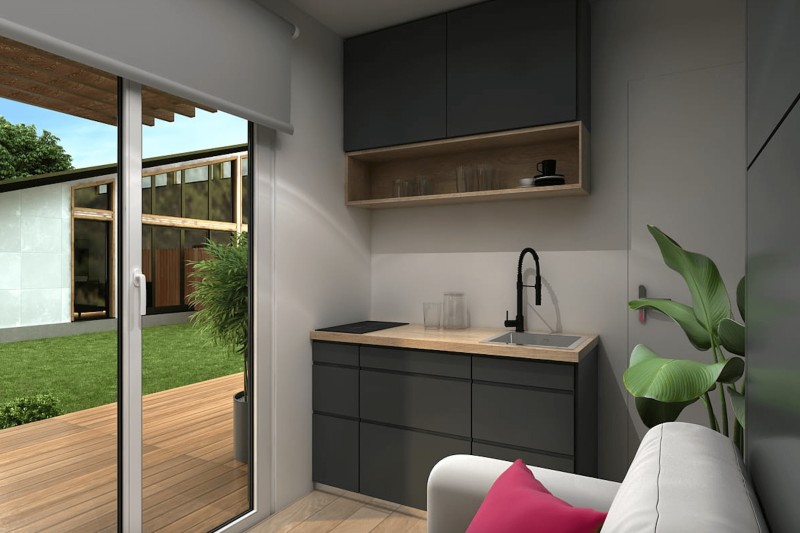
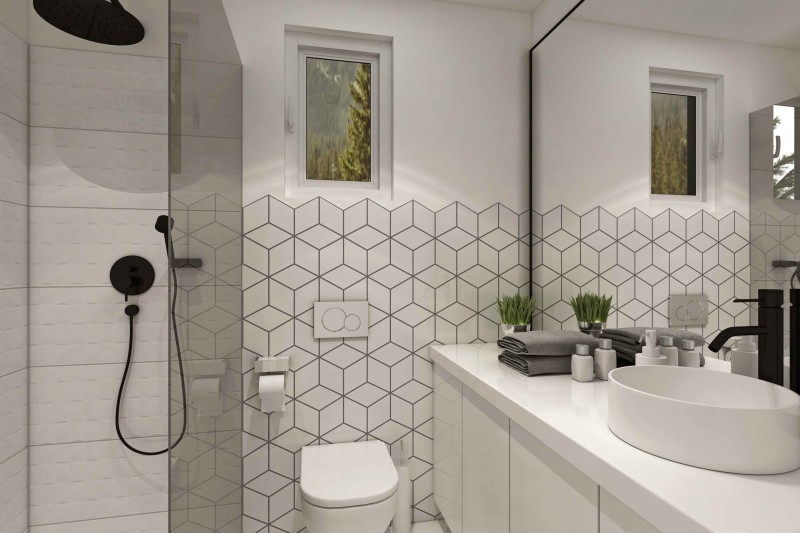
This 20ft shipping container is portable and eco-friendly, with open plan living space, a side entrance with sliding doors, triple-glazed windows and doors, plus full electrical installation and plumbing (including a loo – not ‘shi**ing in the woods!’
Essential Elements of an Off-Grid Lifestyle
To make off-grid life possible in England, you need answers to a few basic questions. Where does your water come from? How will you power your essentials? What about heating in the winter?
- Sourcing Water: Most off-grid homes in England collect water from rainfall or groundwater. This means having water storage tanks, filters, and sometimes UV purification.
- Generating Power: Solar panels do much of the heavy lifting in Britain, thanks to improvements in efficiency. Even on cloudy days, modern panels pull in enough energy for lights, phone charging, and fridges.
- Heating Solutions: Winters are tough. Most off-grid setups use wood-burning stoves, log burners, or heat pumps. Efficient stoves can warm a cabin all night with a single log load, if you insulate well.
- Waste management: Composting toilets turn waste into safe, useful compost. Greywater (from sinks or showers) gets filtered and used for plants.
Growing Your Own Food
Many off-grid homes include a no-dig veg patch. This closes the loop on food and waste, helping create a resilient, low-cost lifestyle.
Read our posts on pet-friendly gardens and wildlife-friendly gardens, and how to stop birds flying into windows (don’t face indoor plants from homes or greenhouses to outdoor gardens).
How to Start Your Off-Grid Journey
Choosing the Right Location and Community
Finding the right spot is key. You want legal, accessible land with clean water. Britain’s countryside varies a lot in rules, so always check local council requirements and planning regulations. Look for communities of like-minded people, whether co-operative farms or eco-villages.
Step-by-Step: Transitioning to Off-Grid Living
- Make a plan. Picture the life you want. Do you want total independence or a gradual move?
- Set a budget. Tally up costs for land, kit, and running repairs.
- Learn the right skills. Things like carpentry, plumbing, gardening, and even basic electrics.
- Start small. A garden solar project or composting toilet can be your first hands-on step.
- Join a network. Find groups, courses, or meet-ups for support and troubleshooting.
- Go slow. People who succeed at off-grid living rarely rush. Let your journey grow at its own pace.
What off-grid living really means before you get started
Off-grid living isn’t one fixed way of life. It sits on a scale. At one end, you might have a normal-looking rural home with solar power, batteries, and a rainwater tank. At the other, you might have a more self-sufficient setup with food growing, wood heat, and no mains connections at all.
That matters, because many beginners picture something far more extreme than they need. Off-grid doesn’t always mean remote, rugged, or cut off. It can be quiet and modest, more like running your own little utility system.
Before anything else, check the practical side. Land rules, planning permission, and building rules can shape what you’re allowed to do. Access is just as important. A lovely plot isn’t much use if a fuel delivery lorry can’t reach it in winter.
Then there are the parts people forget, internet access, mobile signal, nearby healthcare, and emergency support. If a storm knocks out a road or your pump fails, you need a backup plan. Off-grid life can feel freeing, but it works best when the dull details are sorted first.
The main costs, skills and lifestyle changes to expect
The first big shock is often cost. Solar panels, batteries, tanks, pumps, and heating kit can add up fast. Then there are ongoing jobs, cleaning filters, checking cables, emptying ash, and replacing worn parts.
Still, you don’t need to be an engineer. You do need to learn basic repairs and keep calm when something stops working. A loose wire or blocked pipe can become your Tuesday evening.
Daily habits also shift. You start noticing how much power a kettle uses, or how quickly a shower can drain stored water. That sounds restrictive, but it often becomes normal quite quickly. You’re not giving up comfort so much as learning where it comes from.
How to build a simple off-grid setup, step by step
Start with the systems you use every single day. That’s power, water, heating, cooking, and waste. Keep the first version simple. Reliable basics beat clever kit every time.
A common beginner mistake is buying too much, too soon. The other is sizing things badly. People often underestimate battery storage and water use, especially in cold or dry periods.
Reduce demand first, then build supply around real use.
Think of the setup like a small boat. Every part affects every other part. If you waste power, you need more panels and more batteries. If you waste water, you need bigger tanks and more treatment.
Choosing power and heating that match your daily needs
For most beginners, solar is the easiest place to start. Panels make electricity when the sun is out. Batteries store some of that power for later. A backup generator helps during long dull spells, especially in winter.
The mistake is simple, people size systems for sunny days. Then November arrives and everything feels thin. So, start by cutting demand. Use LED lights, low-energy appliances, and a gas hob if that suits your setup. A slow cooker or induction hob can work well, but only if your battery bank can handle it.
Write down what you use in a day. Fridge, lights, laptop, router, kettle, pump. That list matters more than guesswork. If your real demand is small, your system can stay smaller and cheaper.
Heating is usually the hardest part to run off electricity alone. That’s why many off-grid homes use a wood burner, gas, or another separate heat source. Just as important, stop heat escaping. Good insulation, sealed gaps, and thick curtains can do more than extra heaters.
In colder months, heat loss is the quiet thief. If your home leaks warmth, you’ll burn more fuel and still feel cold.
Sorting water, toilets and waste without making life harder
Water needs clear thinking because you use more than you think. Drinking is only a small part. Washing, cooking, cleaning, and flushing toilets take far more.
Rainwater harvesting works well in many places, but only with enough roof area and storage. Some sites use a borehole. Others rely on delivered water. Whatever the source, you need tanks, basic filtration, and a plan for dry spells. Water quality matters, so don’t cut corners on hygiene.
Toilets often worry beginners more than they should. Compost toilets can work very well if you manage them properly. They need the right balance of moisture, airflow, and regular emptying. A septic system feels more familiar, but it needs the right ground conditions and local approval.
Greywater, water from sinks and showers, can sometimes be reused or dispersed, depending on local rules. Keep soaps mild, maintain filters, and clean storage tanks on schedule. Most problems come from neglect, not from the system itself.
The easiest setup to live with is often the one with fewer moving parts.
How to make off-grid life safer, cheaper and easier to stick with
Off-grid life gets easier when you stop treating it like a project and start treating it like a routine. Track your energy use. Note how much water you use in a week. Keep spare filters, fuses, and pump parts on hand. Small habits save a lot of stress later.
Winter planning matters most. Days are shorter, tanks can freeze, and muddy access tracks get worse. So, store dry fuel, insulate pipes, and check backups before the cold hits. In the same way, summer has its own issues, heat, low rainfall, and higher water demand.
It also helps to build skills slowly. Learn one system at a time. Fix simple faults yourself. Get help for the bigger jobs. Many people begin part-off-grid first, and that’s often the smart route. You can keep a mains link while learning how your home actually behaves.
Begin with a trial run before you commit fully
A short trial can teach more than months of reading. Spend weekends in a shed, cabin, campervan, or basic plot. Use stored water. Cook with limited power. Track what runs out first.
That kind of test strips away fantasy. You learn whether you need more battery storage, better insulation, or simply fewer gadgets. You also see what feels fine and what gets old quickly.
Most of all, a trial stops overspending. People often buy for the life they imagine, not the life they live. A small test brings the two closer together.
Living off-grid isn’t about doing everything perfectly. It’s about planning well, starting with one solid system, and building from there. If you match your setup to your budget, climate, and daily habits, off-grid life can feel steady rather than strained. Start small, pay attention, and let the system grow with you. That’s usually how it lasts.
Unplugged: Off-Grid Short Breaks in Nature
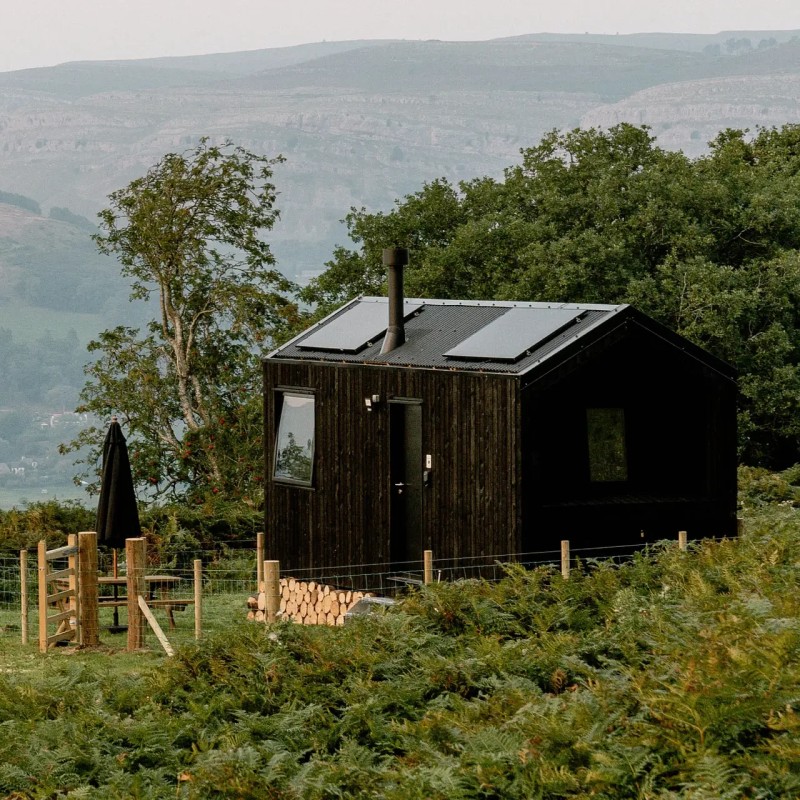
Unplugged is a unique company, which offers off-grid cabins in nature, where you can switch off completely for three days. With over 20 nationwide locations (all near a city and public transport). Then just a short taxi ride from a parking space to your cabin of choice. Some cabins offer hampers (you have to pre-order veggie options).
Some cabins are dog-friendly, do check as others are not, to protect both dogs and wildlife (due to unfenced areas).
All cabins are sustainably-built in remote areas, with solar-powered showers, kitchens and comfy beds. But there are no phones or wifi, so you won’t be checking your phone within 15 minutes of waking up! It’s time to refresh your mind (not your browser!)
Guests are asked to voluntarily lock away phones and laptops on arrive (there is an old Nokia phone for emergencies). Then just take in views from panoramic windows, or read one of the books or play a board game. There is also a radio, to wind down for early nights, as you immerse yourself in nature.
Unplugged was founded by two young men, who thought that getting away from it all and being in nature should be simple, without any ‘woo-woo’. You don’t need to chant mantras or take crystals, or belong to some religious sect. You can just find somewhere nice to stay without technology, and wind down simply.
Founded by Two Burned Out Businessmen!
Working at a tech start-up, they in the past were working up to 11 hours a day online, then partying hard to wind down after. When they realised this lifestyle was not working, they slowed down, and now help others to as well.
So one went off a fortnight in the Himalayan mountains for some peace, quiet and reflection. He was so refreshed on his return, that he immediately quit his job, to avoid going back to the same lifestyle. Realising what just a few weeks could do for others, the business idea was born.
His co-founder was ‘far less Zen’ and had no intention to go off to meditate with monks. But seeing how his friend’s time away had benefited him, he was willing to get on board to help himself and others have more ‘life time’ and less ‘screen time’.
Little Luxuries
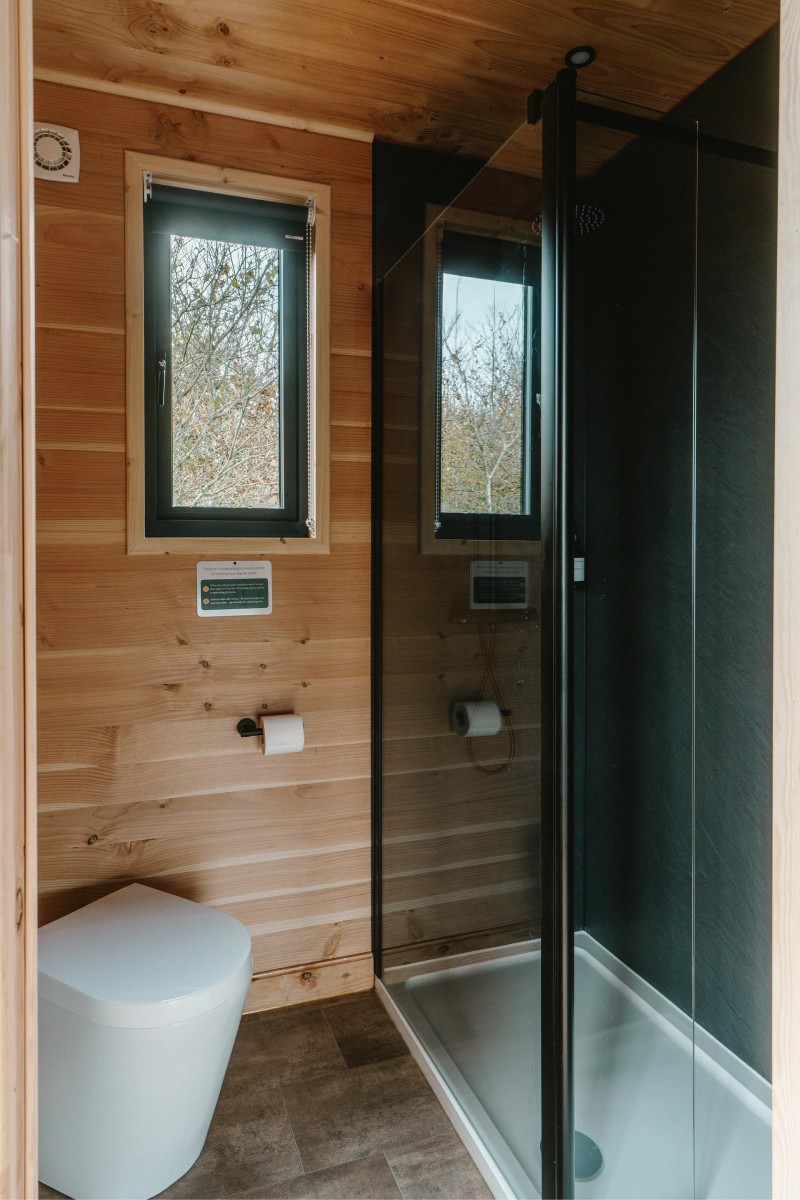
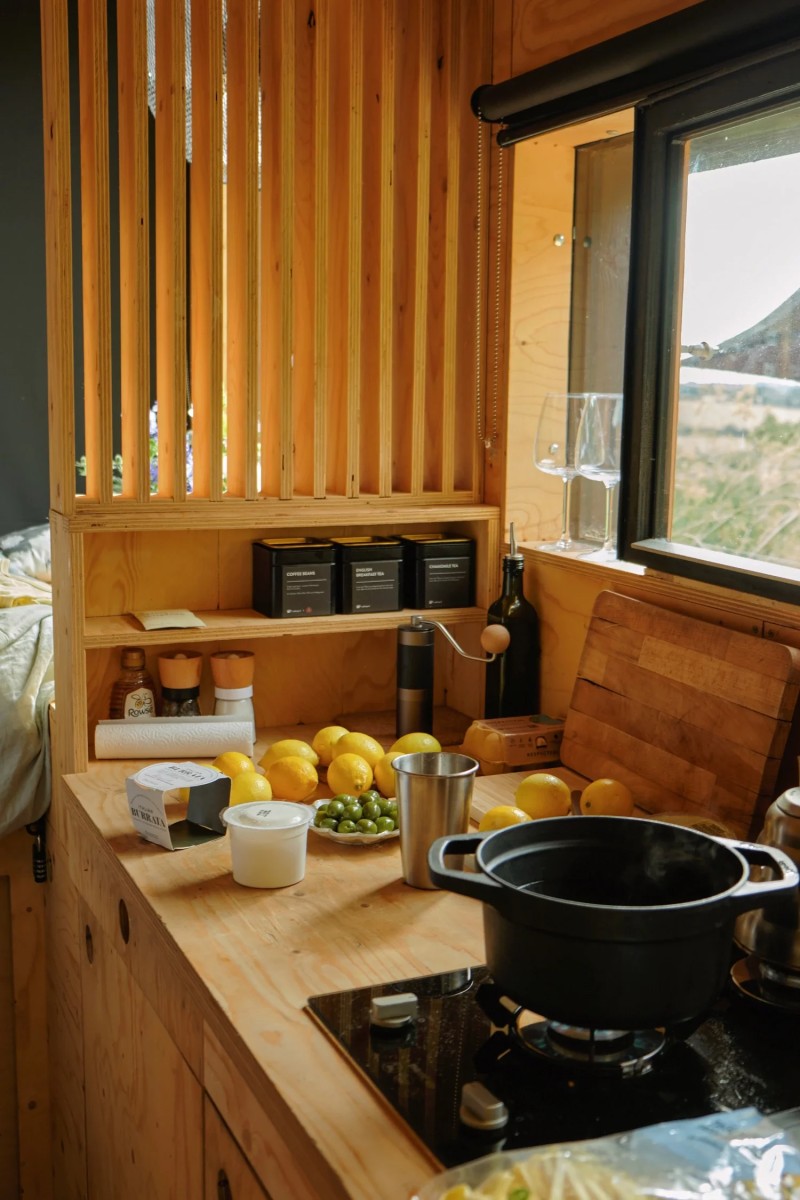
These are not scruffy tents! They are luxury little cabins with proper hot water showers, luxury linen bedding and all the home comforts, but without TV, laptops or phones. And you get solar-powered cabins with picture windows, so you can watch nature spectacles outside. Far more interesting!
Most are just 1 to 2 hours from a city, and have their own parking spaces. The kitchen has all mod cons (along with your basics like good tea, coffee and olive oil), although there is no oven (so it’s pasta tonight!) You’ll find a nice bathroom with modern composting toilet and even a selection of wellies for use outside the door!
The breaks are quite pricey (around £400 for 3 or 4 nights). But if you think that most hotels charge £100 for bed-and-breakfast, these are luxurious in their offerings. And the idea is that you can really wind down and have a life inventory.
So when you go back to ‘normal life’, you likely will be so used to the simple life, that you’ll spend less anyway. Parts of the lifestyle you ‘take up’ here will soon become part of daily life (nature walks over ‘getting smashed’ in the pub). And quiet simplicity, over shopping malls! And making home-cooked simple meals!