Living on a Barge (affordable realistic plans)

houseboat in spring Art by Angie

Art by Angie

The idea of living on a barge often gets dressed up as freedom, calm water, and cheap bills. Sometimes that’s true. Still, it only works when the numbers work first.

A barge can cost less than a flat for some people, especially singles, couples, remote workers, and practical retirees. But the low-cost version isn’t automatic. You need a clear plan for buying, mooring, fuel, insurance, repairs, and daily life. Think of it less as an escape and more as a small floating home with its own set of jobs.

It’s not for everyone, but many people happily live on a houseboat, and many others dream of doing so. It’s also in modern times, one alternative to a huge mortgage on a static home.

Living on a barge does require a bit of study to learn of rules and regulations. But if done right, you can wake up to the gentle lapping of water and sunlight glinting above, and views of ancient s tone bridges.

See below for tips on dog safety.

Most houseboats are moored, though you can also travel around England, once you learn how to use a lock. Years ago, canals carried goods from London around the country. Today, these same waterways are mostly used for holiday boating, or people who live on barges.

The Basics of Living on a Canal Barge

England has around 2000 miles of canals (most people live within a few miles of one). After buying a quality houseboat (an average £50,000), you then have to add mooring fees (around £2K to £5K per year) and other costs.

All houseboats in England must meet legal requirements of the Boat Safety Scheme (BSS), an inspection certificate that’s renewed every four years to check for gas, fuel, electrics and fire safety. Canal & River Trust is also required for use on most English waterways.

If you plan to keep moving, apply for a continuous cruising licence with the Canal & River Trust. You will need to move at least every 30 days, covering varied stretches of the system. Those who want a fixed home base might opt for a permanent mooring.

Boats under 57 feet should fit any lock, but also think if you want a bedroom, and storage for bikes and supplies. Some now offer solar panels to cut emissions and costs, and other offer compact modern kitchens, slim-line fridges and fold-out tables, to make use of limited space.

Etiquette Rules on Canals & Rivers

barge Holly Astle

Holly Astle

  • Living on a houseboat requires that you check weather and water conditions at Canal & River Trust.
  • Speed limits on canals are usually 4 miles per hour, but slower (near walking pace) near fragile canal banks, or nesting wildlife.
  • WiSe offers a short course (just a few hours) to become a wildlife-friendly boater. Also read our post on sustainable sailors!
  • Dispose of waste correctly with pump-out stations for toilets (avoid dumping oil, litter or antifreeze in the water). The Canal & River Trust operates regular waste points for refuse and recycling.
  • Register your boat and display the license, and also have third-party boat insurance. Respect mooring limits to avoid fines of up to £1000.
  • Yield to oncoming boats at narrow bridges, and sound your horn if needed. Report litter and pollution to Canal & River Trust.

Mastering Canal Locks

  • Locks simply raise and lower the water, and most are operated manually. Always approach slowly, then open the gate paddles with a windlass, letting water in or out to balance levels.
  • Push open the heavy wooden gates, and guide the boat inside. Close the gates, then fill or empty the lock, using ropes to keep your boat steady. Empty the chamber or raise the water, then exit when levels match.

Barge Safety Tips (including for dogs)

Work out if barge life will really save you money

The first mistake is simple. People focus on the boat price and stop there. In real life, the monthly and yearly costs matter more.

A barge can lower housing costs, but only if you add up the full picture. That means mooring, licence fees where needed, insurance, heating, engine servicing, blacking, and small repairs that never quite stop. On land, you pay rent or a mortgage. On the water, you swap some of that for upkeep and practical chores.

If the budget only works when nothing breaks, it probably doesn’t work.

The real costs to budget for before you buy

Purchase prices vary a lot. A small older narrowboat or barge may sit at the cheaper end, while a larger, well-kept liveaboard costs much more. A low asking price can hide serious repair bills, so a proper survey matters.

Before you buy, budget for the survey, any legal or transfer costs, a licence if relevant, and the first year of insurance. Then look at ongoing costs. Mooring fees are often the biggest monthly bill. After that come fuel, pump-outs or toilet upkeep, heating, electricity, maintenance, and blacking every few years.

A lean plan might mean a modest boat, basic interior, careful fuel use, and tight spending on comforts. A more comfortable plan usually includes a residential mooring, better insulation, stronger heating, a repair fund, and money for paid help when things fail. In both cases, keep emergency savings. Boats age in public, and problems rarely wait for payday.

Compare a barge plan with renting or buying on land

This part needs honesty. A barge may cost less than renting a one-bed flat in some areas. It may also cost more than a house share. Local prices change the answer, so compare your own area, not a headline from somewhere else.

The trade-offs matter. Barge life can mean limited post arrangements, awkward parking, longer commutes, and less storage. On the other hand, some people value the slower pace and lower fixed costs. So compare the whole shape of life, not just one bill.

Liveaboard mooring, continuous cruising, or a mix

A residential mooring is the most stable option. You usually get a fixed place to keep the boat, and daily life feels more settled. That helps with work, post, parking, and routine. It often costs more, though, and good spots can be hard to find.

Continuous cruising means moving regularly within the rules, rather than staying in one place. It can reduce some costs, especially if you avoid a permanent mooring. Still, it isn’t the cheap easy version people imagine. You need time, planning, fuel, and a flexible routine. Winter can feel much harder.

Some people use a mix, with a mooring for part of the year and more travel at other times. That can suit remote workers or retirees. In the UK, the practical point is simple: choose the setup that fits your real week, not your fantasy week.

What size and condition offer the best value

Best value rarely means the cheapest boat. It usually means a sound, well-kept older boat with a sensible layout and clear service history. Cosmetic jobs are easier to live with than structural ones.

Look closely at insulation, heating, engine condition, headroom, storage, and signs of damp. A shiny galley won’t help much if the stove struggles in January. A large boat may feel nicer at first, but mooring, heating, and maintenance can all cost more.

For many buyers, mid-sized boats hit the sweet spot. They’re easier to manage and often cheaper to run. Most importantly, pay for a proper survey. It’s not glamorous, but it can save you from buying a project that eats your budget whole.

A simple step by step budget and move-in plan

Keep it plain and in order:

  1. Set a full budget, not just a boat budget.
  2. Save a deposit and repair fund, plus six to 12 months of buffer.
  3. Research waterways and moorings that fit your work and travel needs.
  4. View several boats before making any offer.
  5. Get a survey and price likely repairs.
  6. Sort insurance, licence, and mooring before moving aboard.
  7. Test the lifestyle first, if possible, with short stays or rentals.

That last step helps more than people expect. A weekend on a boat won’t show everything, but it will show enough. You’ll notice storage, warmth, noise, and whether the routine feels simple or tiring.

Everyday challenges that catch new barge owners out

Daily life is often the real shock. Winter heating can be expensive and constant. Condensation builds fast. Laundry takes more planning. Rubbish, water refills, and toilet systems all need regular attention.

Internet can also be patchy, which matters if you work from home. Finding reliable tradespeople can take time, and small repairs become part of normal life. Hinges loosen, pumps fail, batteries fade, seals leak.

None of this makes barge living a bad idea. It just means the lifestyle suits people who don’t mind practical jobs and a simpler routine. If you want a home that mostly runs itself, land often wins.

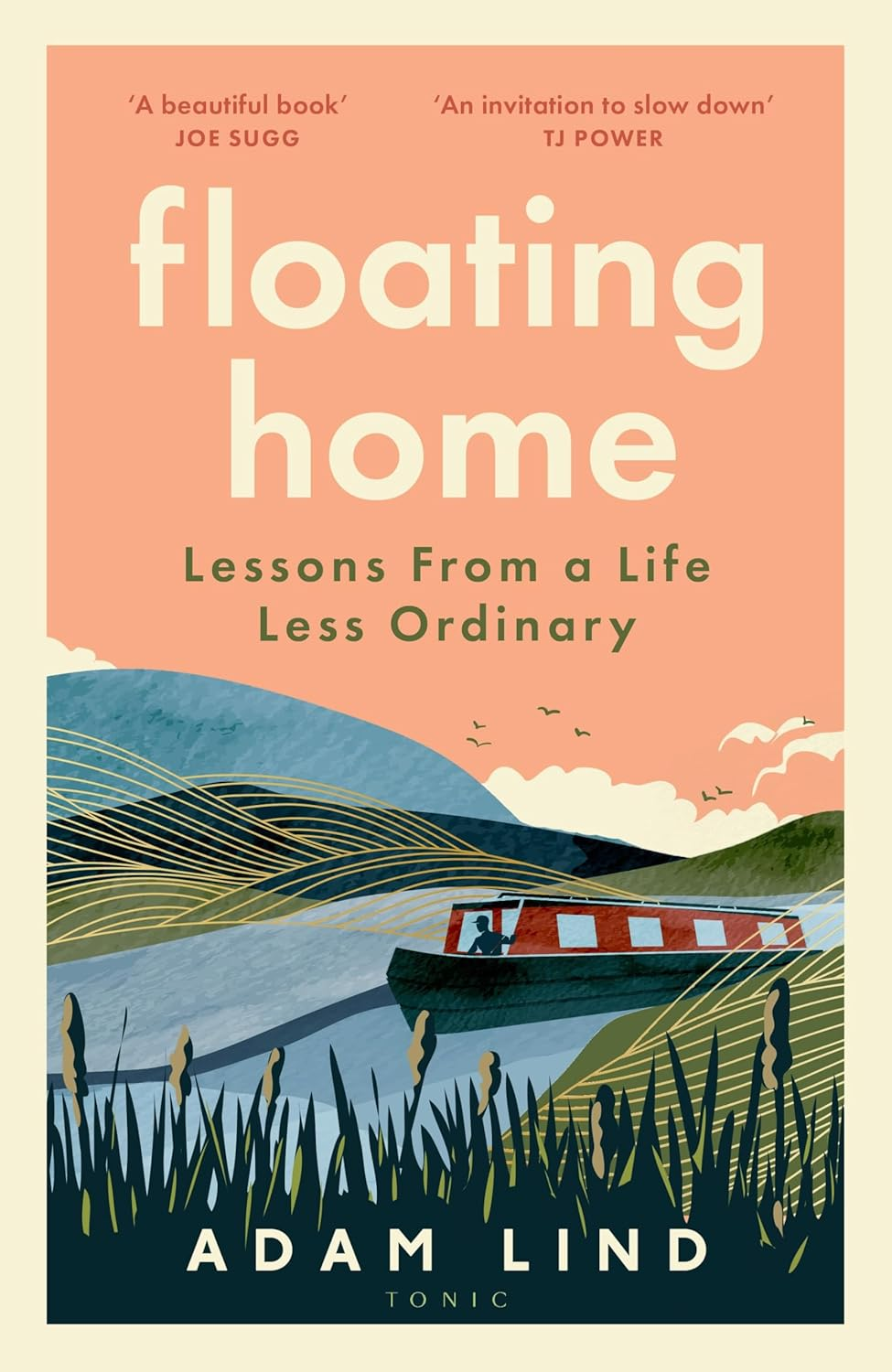
Lessons from a Life Less Ordinary

floating home

Floating Home is the story of the author’s decision (after travelling across 26 countries over five years, following the loss of his father) to take to England’s waterways on his beloved narrowboat (The Roman Rose).

He discovers not just human connection and community, but finds peace amid the transformative power of compassion. A book to gently guide readers to think outside the norm, and begin to life on their own terms.


Similar Posts