The (sometimes green) White Cliffs of Dover
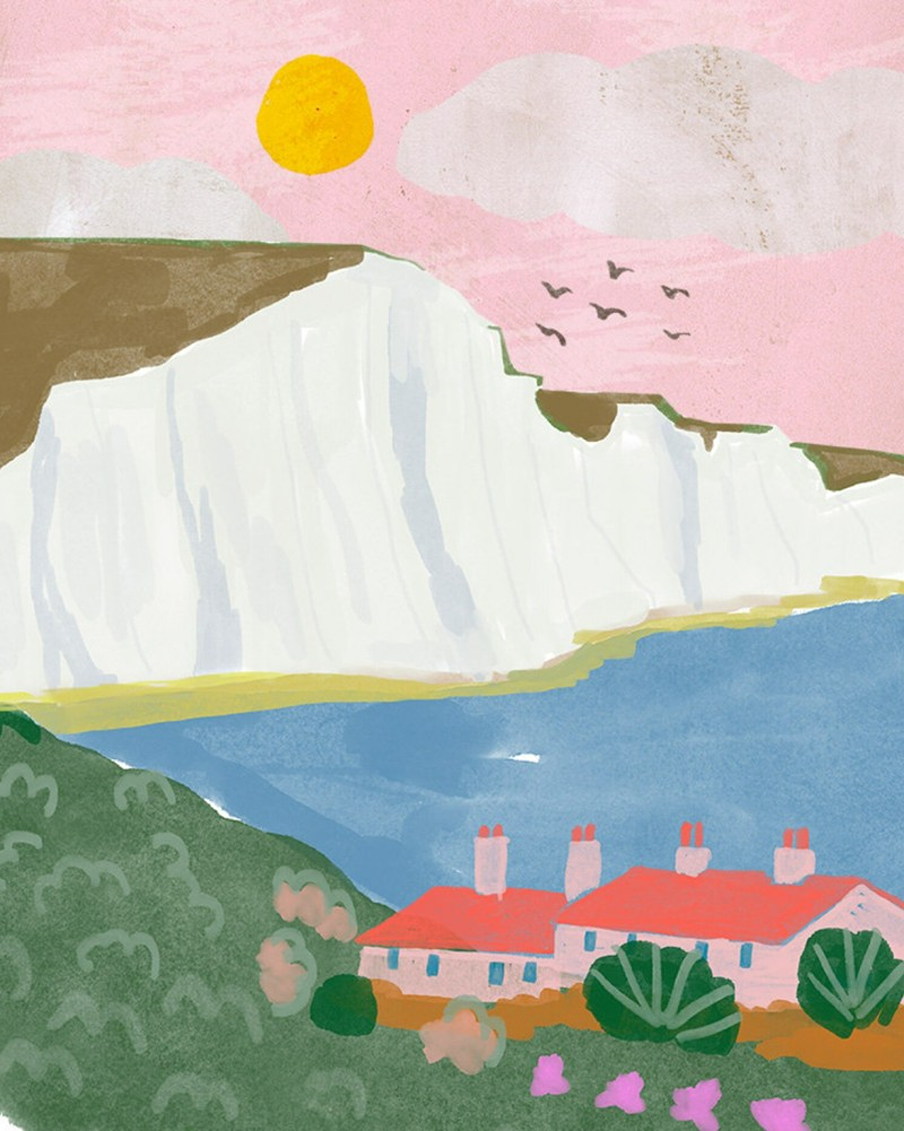
The White Cliffs of Dover are one of England’s most iconic landmarks, which you can see nearly all the way to France (just 21 miles) on a clear day, or from the ferry. The are white due to erosion of fine limestone, but in areas protected from erosion, plants grow on them, so they are green!
The cliffs are home to many unique plants and insects (like pyramidal orchids and chalkhill blue butterflies).
If out walking, follow the Countryside Code to keep all creatures safe. Keep dogs on leads near steep banks (and away from toxic spring bulbs). If at the coast, read how to keep dogs safe by the seaside (check for beach bans, before travel).
Stay on marked trails, as chalk edges crumble easily. Wear sturdy shoes and bring a windproof jacket. And always take litter home, to keep plants and wildlife safe.
Obviously keep dogs away from cliffs (The National Trust has a useful page of tips to keep dogs, livestock and marine creatures safe, if visiting the area with your pooch).
What the White Cliffs of Dover are made of
The cliffs are mostly made of chalk. That chalk formed over millions of years from the remains of tiny sea creatures that settled on an ancient seabed. Pressed together over time, those remains became thick layers of soft, pale rock.
Running through the chalk are bands of flint, which look darker and harder. If you’ve seen close-up photos of the cliffs, you’ve probably noticed those black or grey lines. They break up the white, but they don’t change the basic picture. The cliffs are, at heart, chalk cliffs.
Because chalk is so light in colour, it reflects a lot of daylight. That’s why the cliffs can look almost glowing in bright sun. When the face is dry and freshly exposed, the white seems sharper still.
How chalk gives the cliffs their bright look
Fresh chalk has a clean, powdery brightness. It catches the light well, so the cliff face can look striking even from far out at sea. In strong daylight, that white becomes the part people remember.
Rockfalls also play a part. When small sections break away, they can reveal cleaner chalk beneath the surface. That fresh face often looks brighter than older parts of the cliff, where weather and growth have had more time to settle in.
Why the cliffs sometimes turn green
When the cliffs look green, the rock itself hasn’t changed. The chalk is still there. What changes is the surface view, the thin layer of life, moisture, and shadow that sits over it.
The cliffs are still chalk, but the surface can tell a different story.
This matters because from a distance, the eye blends things together. Small green patches can read as one large green wash. Add damp weather or low light, and the classic white can fade from view for a while.
Plants on the cliff face can cover the chalk
Not every part of the cliff is a sheer wall of bare rock. Some sections have ledges, shallow slopes, and little pockets of soil. Those areas give grasses, wild plants, mosses, and other growth a place to take hold.
Over spring and summer, that cover can spread. Even a thin strip of turf can stand out against chalk. From far away, especially across the sea or from the beach below, those patches can merge into broad green areas.
This is why the sometimes green White Cliffs of Dover can look more green than white in photos. The camera flattens distance, and the eye does much the same. A ledge here, a grassy seam there, and suddenly the cliff face looks less like fresh chalk and more like a living slope.
Rain, sea air, and shade can deepen colour
Moisture changes the cliffs too. Rain darkens the surface, and damp chalk doesn’t reflect light as sharply as dry chalk. That alone can make the white look less crisp.
At the same time, wet conditions help mosses and algae grow in places that stay cool or shaded. Sea air adds to that slow coating effect. It doesn’t remake the cliff, but it can tint the surface enough to shift the overall colour.
Light is the other part of the picture. In flat, cloudy weather, the cliffs often lose their bright edge. Early light and shaded views can bring out greens and greys more than white. If you’re standing below the cliffs, looking up into shadow, the green may feel stronger than it would from a brighter angle.
No Bluebirds on the White Cliffs!
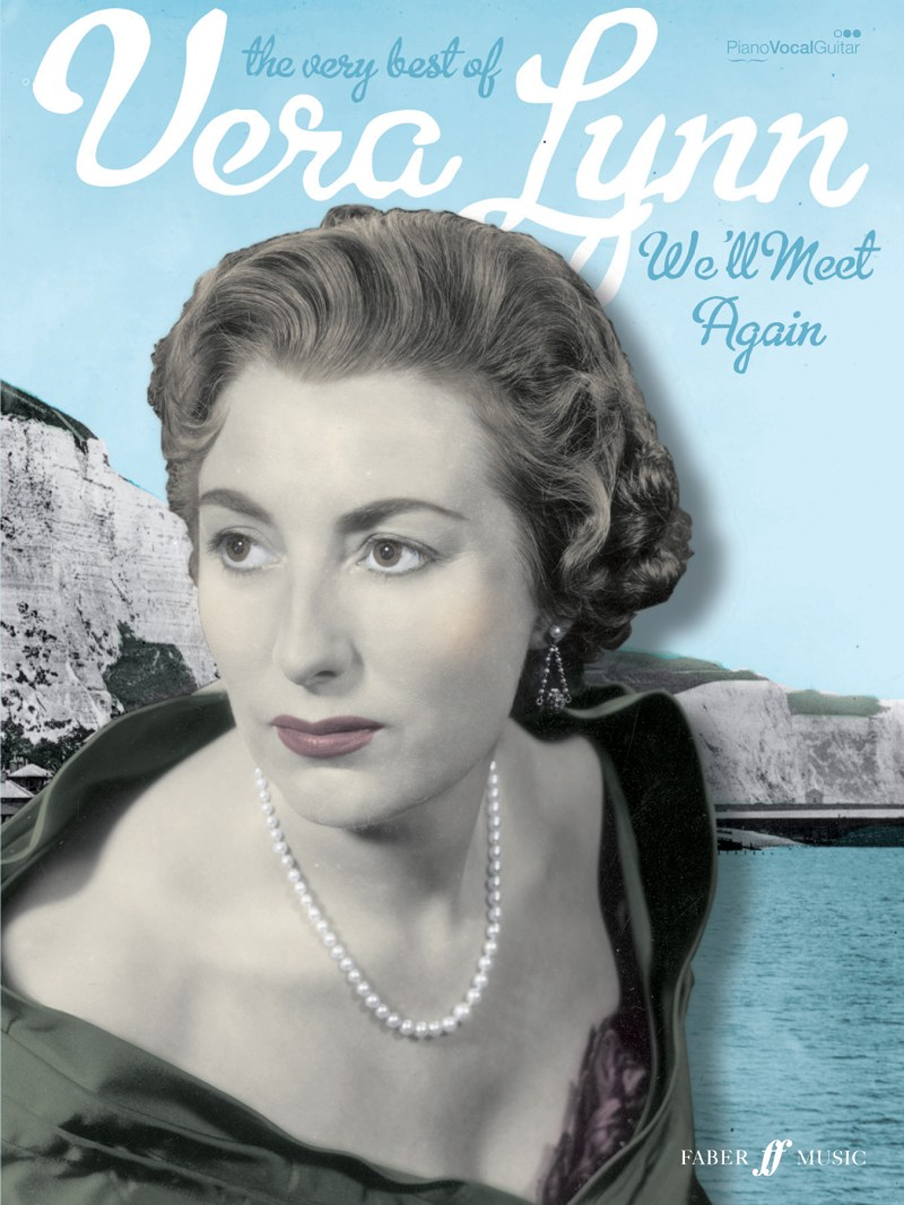
Despite the iconic song from forces sweetheart Vera Lynn, there are no bluebirds over the white cliffs of Dover. At least none have ever been spotted, though many other birds have!
The tune had an anti-war message, looking forward to a day when there would be peace. Vera’s friend Harry Secombe joked that Churchill did not beat the Nazis – Vera ‘sang them to death!)’ She lived to 103, spending her last days in the village of Ditchling, the highest point in East Sussex.
In 2009, feisty Vera took the BNP to court, for using her song on an anti-immigration album, without her permission. She was concerned this would link her name to far-right views. It later transpired that the party had not realised another song was by a black artist, and another by Jewish songwriter Irving Berlin.
Vera lost the case, as the song was by now in the public domain. A spokesman for the BNP said of our national heroine: ‘She can complain, but it’s not going to do her any good’. Charming.