Scafell Pike (and other Lake District mountains)

The Lake District is home to all of England’s tallest mountains. Standing at over 900 metres (around 3000 feet in old money), Scafell Pike is England’s tallest mountain (the nearest town is Keswick), with a rocky exposed summit.
Only for experienced climbers. All mountains should be climbed with care, due to changeable weather (rain, wind, fog and slippery areas). Only climb mountains if you’re fit, and carry proper gear. Read more on zero waste mountain hiking.
Scafell Pike is not a mountain to consider if you hike with dogs, due to steep rocky terrain. For gentler fell walks, Nearly Uphill has an excellent post on dog safety.
There are various ways to climb the mountain, the two most popular being from Wasdale (the most direct route but with a steep path) and from Seathwaite (a longer less direct route).
If you do attempt to climb this (or any other mountain), ensure you take not just usual climbing gear (layers, waterproofs, map, compass and first aid kit), but a torch and food/drink, in case it gets dark before you arrive back.
Also check Met Office mountain forecast, as wind on the ground can be treacherous at the summit. Let people know your plans, and when you expect to be back. In emergencies, call 999 and ask for Mountain Rescue.
Composting Toilets on Scafell Pike?
Although composting toilets are a great environmental idea, there are kerfuffles over plans to install them on Scafell Pike. A petition by 100,000 people has now gone to the local council.
Many local residents (and climbers) say that up to now, people who climb the mountain simply bring their ‘waste’ back with them. Just like you would, when walking dogs!
One local says ‘Alfred Wainwright wouldn’t have accepted this, and neither will we. I hope they’re ready for a fight. Hasn’t anyone heard of ‘leave no trace?’ Everything you take with you onto the mountain, you take off with you. And that includes your own s***’.
Other lake District mountains and fells
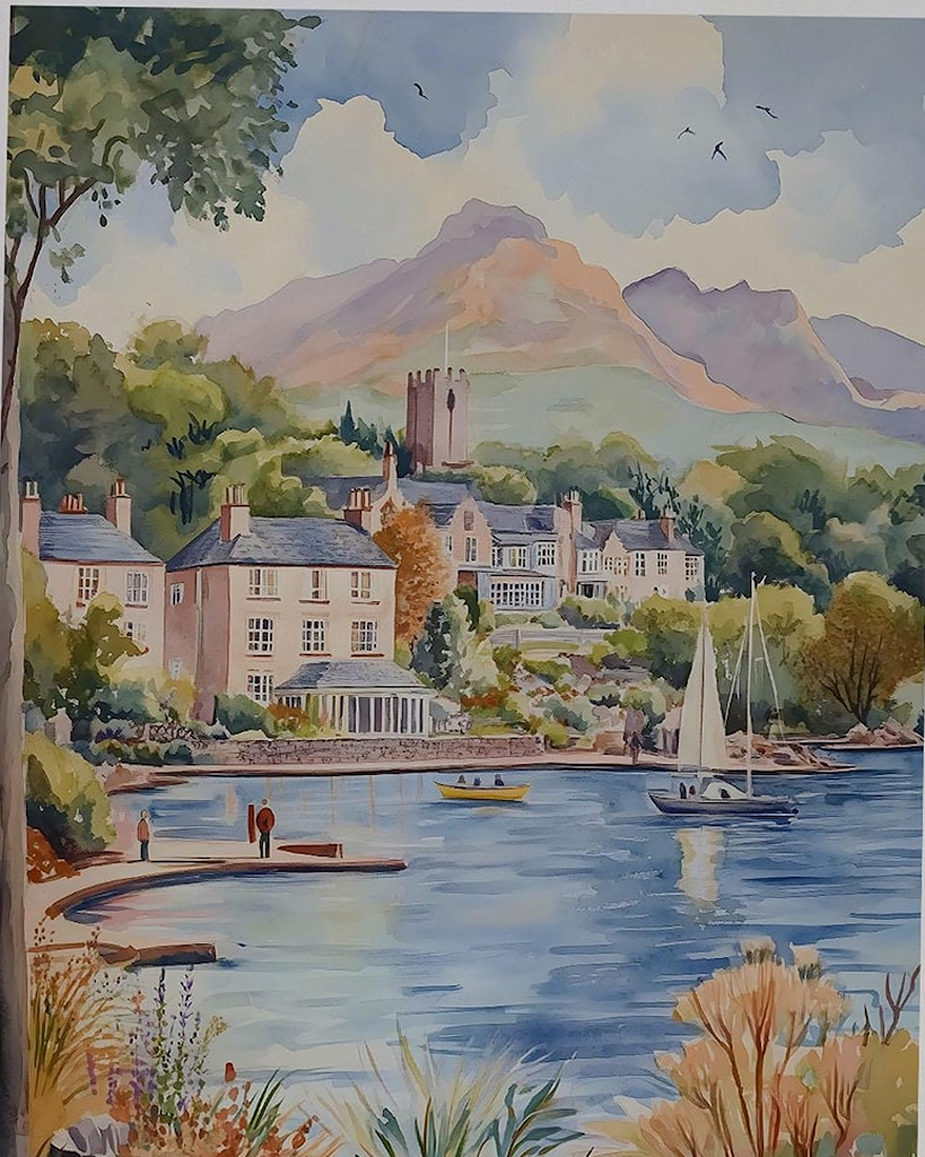
Old Man Coniston, Pastel Pine
There are far too many to list here. A fell is simply a small mountain, so combined there are well over 200 of them. The other three mountains over 3000 feet are:
- Sca Fell is next door, and slightly less tall, but more rugged and mountainous.
- Helvellyn is a big classic mountain, with views over Ullswater. The narrow ridges and steep drops are not good in high winds or ice. And don’t climb this if you don’t like heights!
- Skiddaw has a long steady ascent, with broad panoramas that open up as you climb. It’s less bouldery than some, which some walkers prefer while they find their ‘mountain legs’.
The Old Man of Coniston stands about 803 metres tall, making it one of the taller peaks in the southern Lake District. With a rich mining heritage, you’ll see old copper mine remains on your way down (or up, depending on which way you’re going). The easier ascent is from a nearby car park (the route from the village is much steeper).
The reward is views across Coniston water. Very appealing to those who like mountain scenery and a touch of industrial history, beneath their feet.
Haystacks may not be the tallest (just over 597 metres) but holds a legendary place among Lake District walkers. It was a favourite of Alfred Wainwright (his ashes are scattered near the summit). This author of fell walks called it a quiet and lonely place’, that he nonetheless adored.
Catbells is a gentle introduction to the Lake District fells, one of the best for beginner hikers at just 451 metres. However there are still gaps between pillars, so always take care.
Langdale Pikes form a sharp and striking group of peaks. They rise somewhat higher but remain accessible for those with moderate walking experience. Harrison Stickle and Pike of Stickle have exciting ridges and dramatic shapes that are hard to miss.