Neal’s Yard Organic Rosehip Oil (to reduce scars)

Neals Yard rosehip oil is an organic way to help reduce hyperpigmentation and scarring with vitamin E. Just a few drops needed to give 250 uses per bottle used two times daily.
Scars are the skin’s natural way of healing from injuries, but sometimes you may end up with hypertrophic scars, which sit above the skin, or keloid scars, which grow and spread.
Atrophic scars, on the other hand leave a sunken look (like acne scars). Others may have scars from injury or surgery. Simple ageing can also lead to age or liver spots (flat brown spots that tend to show up mostly on sun-exposed areas like the face and hands).
A dark mark after acne, a scrape, or a rash isn’t always a scar. Sometimes it’s skin pigmentation, which means the skin has changed colour but not shape. That difference matters, because the best natural care for a flat brown mark won’t be the same as care for a raised scar.
Avoid essential oils for pregnancy/nursing (and avoid shea butter for latex allergies). Keep essential oils away from children and pets.
Preventative measures for scars
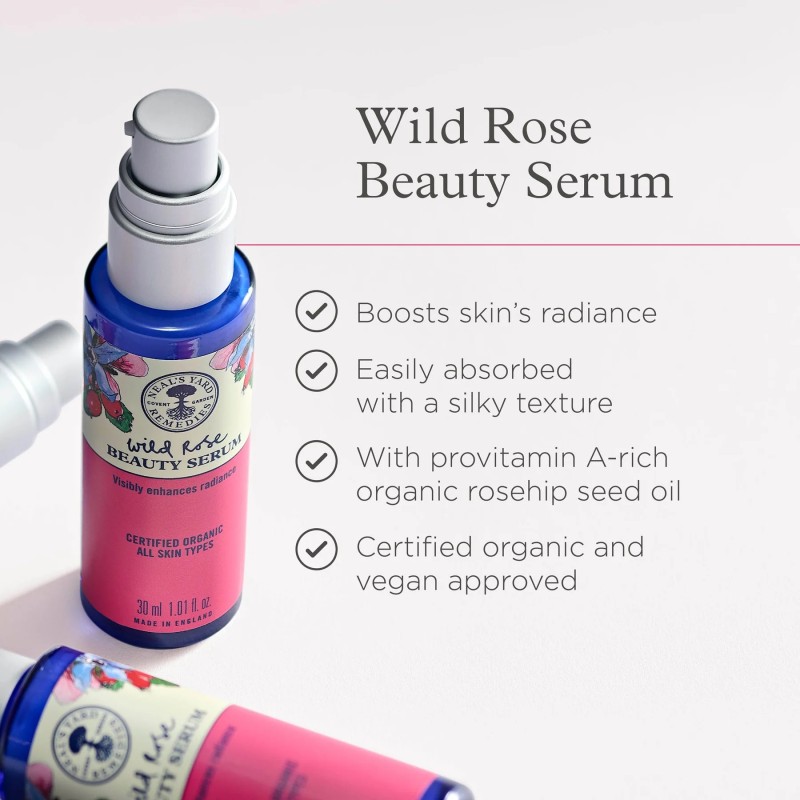
Quick action can prevent lasting marks. Apply a wild rose balm or wild rose beauty serum to areas where skin feels tender or looks red. These products help calm skin, reduce inflammation, and support quick healing. They create a healthy environment so spots and scrapes don’t become scars.
Any dermatologist will tell you that the best way to prevent age spots is to keep out of strong sun and use a good natural sunscreen.
Most natural sunscreens contain zinc oxide, so wash off before letting pets kiss you. Same with cosmetics and deodorants.
Eating foods high in antioxidants also helps (fresh fruits and veggies). Gentle exfoliation also helps to buff away dead skin cells, but only do this once or twice a week. Also remove dirt, sweat and make-up with a mild cleanser.
Difference between scars & pigmentation
Pigmentation changes the colour of the skin. It often shows up as brown, red, purple, or grey marks after spots, bites, cuts, or irritation. In many cases, the skin feels flat, even though the colour lingers.
Scars are different because they change the skin’s texture or shape. A scar may look indented, thick, shiny, raised, or uneven. Acne can leave small pits. Cuts can leave a firm line. Some people have both problems at once, which is why one mark can look dark and feel rough.
If the mark is flat, you may be dealing mostly with pigment. If it feels raised or sunken, scar care matters more.
When a mark needs medical advice
Some marks fade on their own with time and gentle care. However, a few signs mean it’s better to stop home treatment and get advice.
Pain, heat, swelling, pus, or a bad smell can point to infection. A thick raised scar that keeps growing may be a keloid or another overgrown scar type. Also, if itching won’t stop, or a mark changes fast in colour or shape, don’t leave it to chance. See your GP.