Morecambe Bay (a northwest wetland bird paradise)
Lancashire is a fairly large county that is home to two popular cities (Blackpool and Manchester), surrounding countryside, and England’s second largest bay.
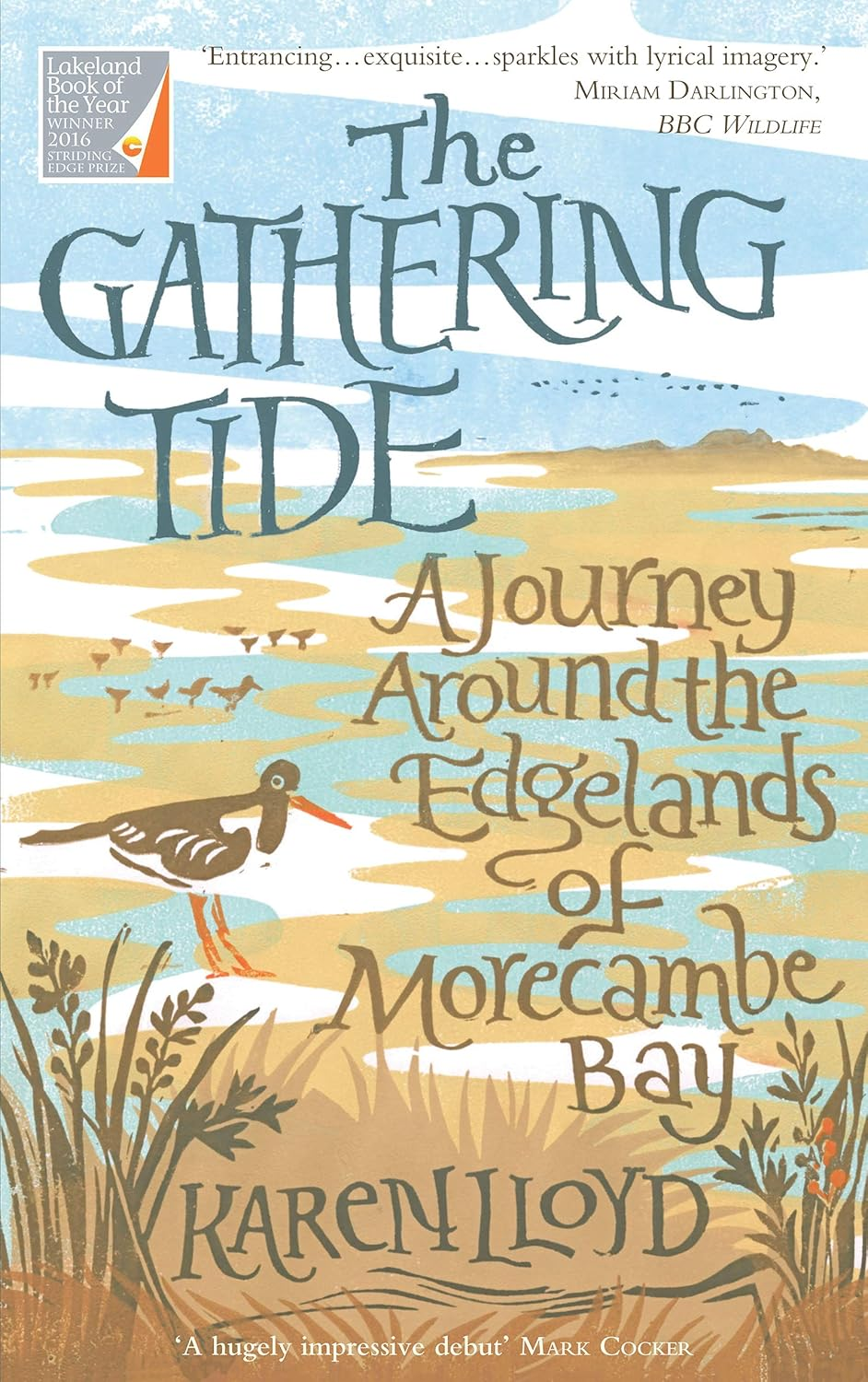
Morecambe Bay is a broad expanse of water in Lancashire (spilling into the Lake District), known for its shifting sands and wildlife. Flowing from the River Lune, it’s a wetland paradise for over 200,000 wading birds.
Learn how to protect England’s wetlands.
Out walking? Follow the Countryside Code to keep all creatures safe. Keep dogs away from steep banks, mushrooms (and other toxic plants/trees) and on leads during nesting season (and near barnyard friends and wild ponies).
At the coast, keep away from nesting birds and never walk on sand dunes. Learn how to keep dogs safe by the seaside (check beach bans before travel).
Morecambe Bay has quicksand, so avoid walking on areas with warning signs. Keep yourself (and dogs) at least 50 metres away from birds, as disturbing nests could cause them to abandon chicks.
Morecambe covers around 300 square km (115 square miles in old money). It’s also the largest expanse of intertidal mudflats and sands in England, and an important estuary for waders, wildfowl and gulls (and home to rare brown fritillary butterflies).
Lancashire is a county mostly known for being home to the city of Manchester and the seaside resort of Blackpool. But outside these areas are numerous pretty countryside villages, and many seaside resorts.
Grange-Over-Sands (a pretty Morecambe Bay town)
One little gem (over the border in Cumbria) is Grange-Over-Sands. You can walk a promenade overlooking the lake, or enjoy quiet gardens and parks nearby.
The ‘over-sands’ part is not just for show. Back in the 1800s, the local vicar got fed up of his letters ending up in Grange (Borrowdale) near Keswick. So he changed the name, to receive his post!
How to protect England’s wetlands
There are few things we can collectively do to help restore our wetlands:
Avoid buying peat compost
Peat bogs form over thousands of years and store massive amounts of carbon, and retain water (and are home to many endangered species. So choose peat-free compost for gardening (also buy peat-free whisky).
If you garden alongside animals, read our post on pet-friendly gardens. Keep fresh compost away from pets (contains mould – and some mulches contain cocoa, pine and rubber – all unsafe).
Restore reedbeds and seagrass beds
Reedbeds and seagrass beds work like giant sponges, cleaning water and giving safe cover to fish, birds and insects. Many have been ruined through over-fishing and boat anchors.
Seagrass beds are also ‘watery meadow’ homes to endangered seahorses and sea turtles (who eat seagrass, known as ‘ocean lawnmowers’). Advanced mooring systems has developed an alternative to boat anchors, that is safer for seagrass beds and marine wildlife.
Ban lead ammunition
Many water birds and wetland creatures suffer from abandoned lead shot, which also poisons endangered water voles, ducks and predators higher up the food chain. At present, there is only a voluntary ban, which is not working. Join the campaign to ban lead ammunition.
Volunteer for local clean-ups
Not dropping litter is of course vital. But to remove litter, plastic waste and dumped tyres that are already clogging up our streams and marshes, is vital to unblock water flow and avoid trapped wildlife.
Set up or join litter-picking groups (litter picking-tools included!)
Support those buying wetland sites
Not big business! But some rewilding charities are now buying precious wetland sites, simply so that once they own the land, nobody can come along and build on it.
This keeps water voles, dragonflies, lapwings and curlews on land that is safe from development. You can help by donating to Natural World Fund and Heal.