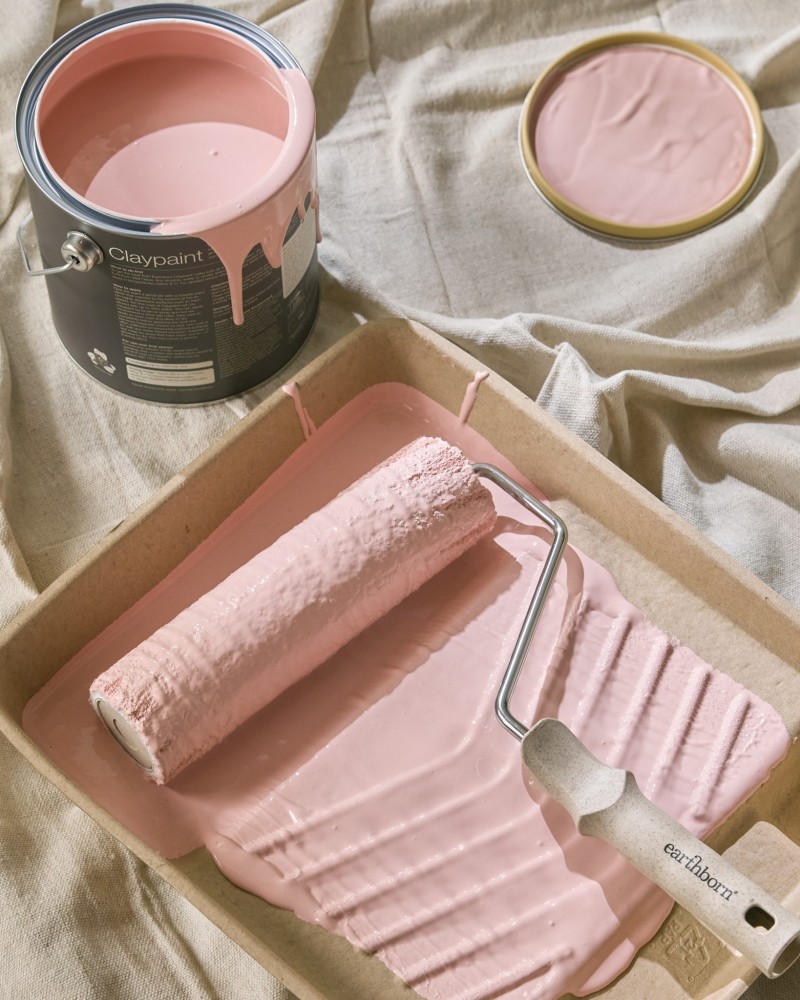
Clayworks is a company founded by a married couple who are experts in building cob homes and natural plasters. These clay plasters are naturally coloured, so you can paint and plaster cob or straw bale homes, at the same time!
The site has full information on how to use, and where to find decorators who are trained in using these plasters.
Clay plasters are not suitable for wet rooms (like bathrooms) or sustained exposure to water, but are great for indoor walls and ceilings.
Natural plasters are not just for ‘green building’ but can be used for most walls, and also for outbuildings. Made mostly from lime and clay, they let walls breathe, and once painted, form a breathable seal that is less likely to off-gas toxic chemicals.
Both behave differently from standard cement plasters, which on solid walls without cavities, can trap damp, salt and condensation, leading to peeling paint, brown plaster and a cold stale feel indoors.
Lime and clay also repair well, and look lovely too!
Clay plaster (for bedrooms & living rooms)
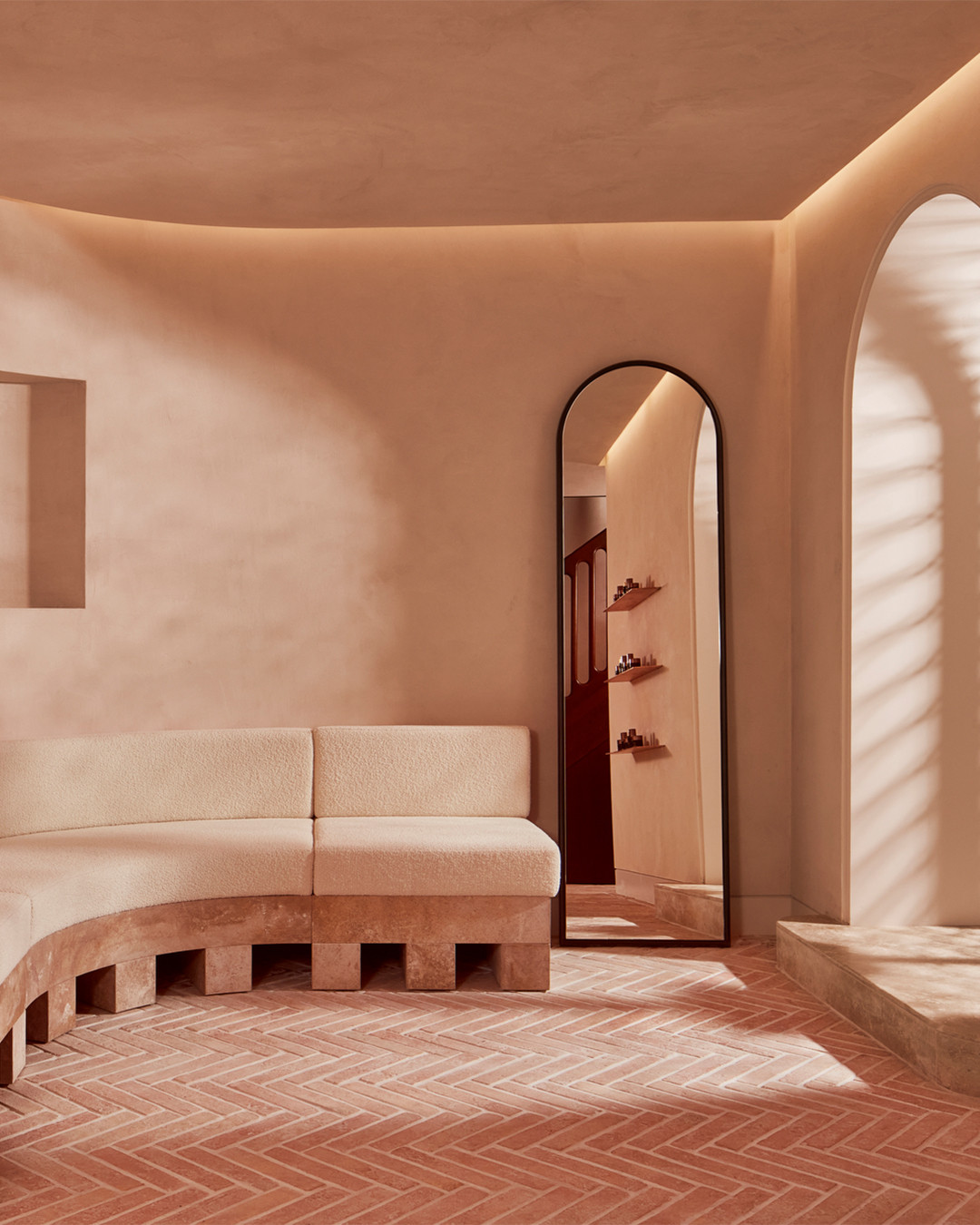
Clay plaster has a warm matte look and earthy finish, and does not cure like lime, but dries and hardens as moisture leaves the wall, so it’s easier to rework and patch later on. Best for interior walls like bedrooms and sitting rooms, it’s also more affordable than lime plaster (which is best for bathrooms and utility rooms).
Drying times can stretch in England’s cool damp weather, so know that they will take longer to dry in winter, poorly-heated houses or north-facing rooms. Clay will dry quicker than lime.
Lime plaster (for bathrooms & utility rooms)
Lime plaster is made from lime, sand and water, and can cope well with movement in older walls. It’s particularly good for English period homes like brick, stone and historic masonry, as it lets moisture vapour pass through, to let walls dry naturally.
Use with eco-friendly decorating tools.
Most house paints contain volatile organic compounds (which release gases to cause headaches and illness). No paint can be 100% green, as it needs preservatives (even washing clay causes VOCs). But look for brands that are zero or virtually zero VOC (low VOCs is just greenwash).
Keeping safe with house paint
Most house paints contain volatile organic compounds (which release gases to cause headaches and illness). No paint can be 100% green, as it needs preservatives (even washing clay causes VOCs). But look for brands that are zero or virtually zero VOC (low VOCs is just greenwash).
- Paint preservative can be fatal in inhaled (true of all paint), so keep children, pets and pregnant/nursing women out of painted rooms, until dry and aired. Titanium (also found in cosmetics and sunscreen) is also pet-toxic, so keep away from wet walls or use titanium-dioxide-free paints.
- Lime-based paints can help to prevent mould and mildew (good to help prevent crib death (along with other factors) but all good green paints should let walls breathe anyway.
- For older homes buy a lead paint test kit, as this element can harm. It’s best to have professionals remove it, as you need PPE and special methods to avoid dust/fumes.
Where to donate unwanted paint
Give old paint cans to Community Repaint where it’s used up to do up local eyesores or passed on (trade decorators can also get involved). Or enter your postcode at Paintcare to find outlets.