The Big Issue (a street newspaper that changes lives)
Just take a few minutes to think about what we often see: go into a major town or city, and you’ll see people literally sleeping on the streets. Often with their loyal dogs.
Councils do what? They install ‘hostile architecture’ (with spikes or devices so homeless people can’t lie down on benches). And free toilets are increasingly banned, so then homeless people have nowhere to visit the toilet. If they go to the loo on the street, it’s classed as a public indecency offence.
We have big homelessness charities, and they have good hearts. But in a country of 67 million people, why do we now have over 350,000 people classed as homeless in England? It’s shocking.
How to immediately help homeless people
If you see someone sleeping rough, send a report to StreetLink, whose outreach teams visit rough sleepers at night, to alert them of support to find benefits and accommodation (if the person is under 18, call 999). Also read about how to help homeless people with dogs (indie shops can sign up for BillyChip that can be given to homeless people to buy food, pet food and hot drinks).
Homeless people can claim benefits, giving the address of a family member/friend, hostel or job centre. This helps to pay for food (and pet food), interview clothes and rent deposits. People without bank accounts can use the government’s Payment Exception Service to collect benefits from post offices or PayPoint outlets.
The Big Issue (founded by Lord John Bird)
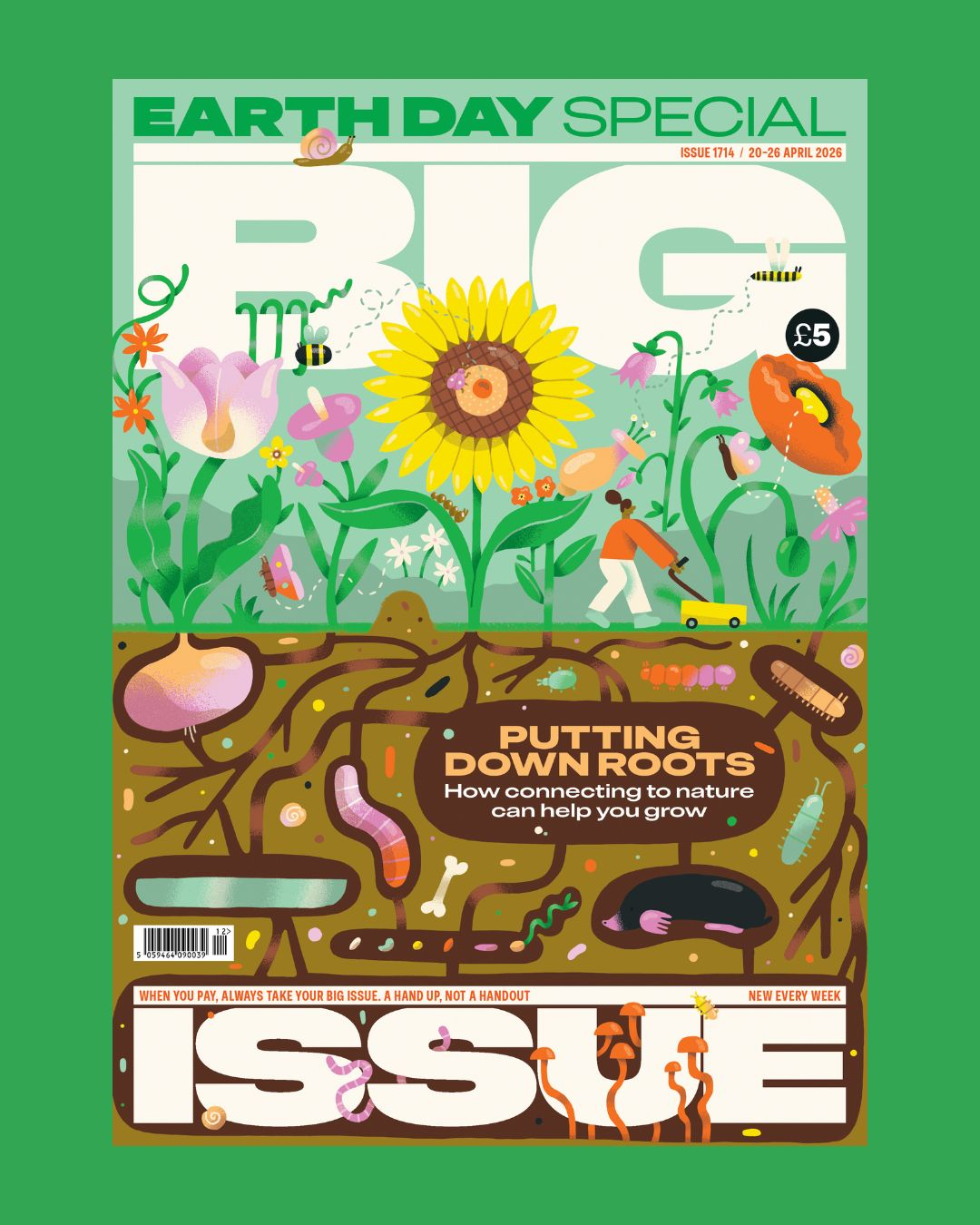
The Big Issue (also in a version for northern England) sells magazines to vendors and then they sell them to people on the street and keep most of the profits (they also have card machines, if you don’t have cash).
Founded by Lord John Bird (a previous scallywag who spent time in prison), he now campaigns against homelessness in the House of Lord ((he was once asked to stand as London Mayor – he refused, so they got Boris Johnson instead!)
When someone signs up to sell Big Issue, they keep half of each portion sold. If you subscribe to receive the magazine for a year, they earn up to £75 a year. So if 100 local people subscribed, a homeless person would earn £7500 (or double that if 200 people subscribed).
Even on the street, selling over 100 magazines earns them £250 per week.
Once signed up, the vendor can access support through six Hand Up pathways:
- Housing (access to and maintenance of secure, affordable and stable accommodation)
- Wellbeing (access to adequate food, weather-appropriate clothing, home energy and toiletries)
- Health (access to right care and treatment for physical and mental health including addiction support needs)
- Money (Support with budgeting and access to benefit and debt advice)
- Digital (access to reach essential services online)
- Citizenship (help to gain official ID and developing language skills)
Then at a later date if the vendor wishes to move on from selling magazines, they receive New Future pathways support:
- Education and training in numeracy, literacy, civil skills
- Volunteering – access to community opportunities
- Support for people entering paid jobs after time away from work, or for the first time.
- A Hand Up Fund (small grants towards training and qualifications, like setting up a first home.
So next time you see someone selling a Big Issue, you know that it’s not just a case of giving a fiver and nothing happens. You are really helping to transform that person’s life long term!
The Pavement (a free magazine for homeless people)
The Pavement is a free magazine for homeless people, put together and handed out by volunteers. You can download a free Rights Guide for Rough Sleepers (pdf – print it off at a library) which outlines your rights about move-ons, sleeping rough, taking a pee in public and benefits. You can also print a letter to hand in at the office, when you claim benefits.
Street Newspapers worldwide
International Network of Street Papers is now a worldwide movement, thanks to John Bird. There are now 92 streets in 35 countries, with over 3 million readers, which have put a collective £200 million plus in the pockets of homeless vendors.