Kent’s Unique Islands (and fascinating histories)

You’ve likely heard of the Isle of Sheppey (just off the North Kent coast) which has seaside towns, a harbour and two nature reserves (home to oystercatchers, redshanks, lapwings and marsh harriers).
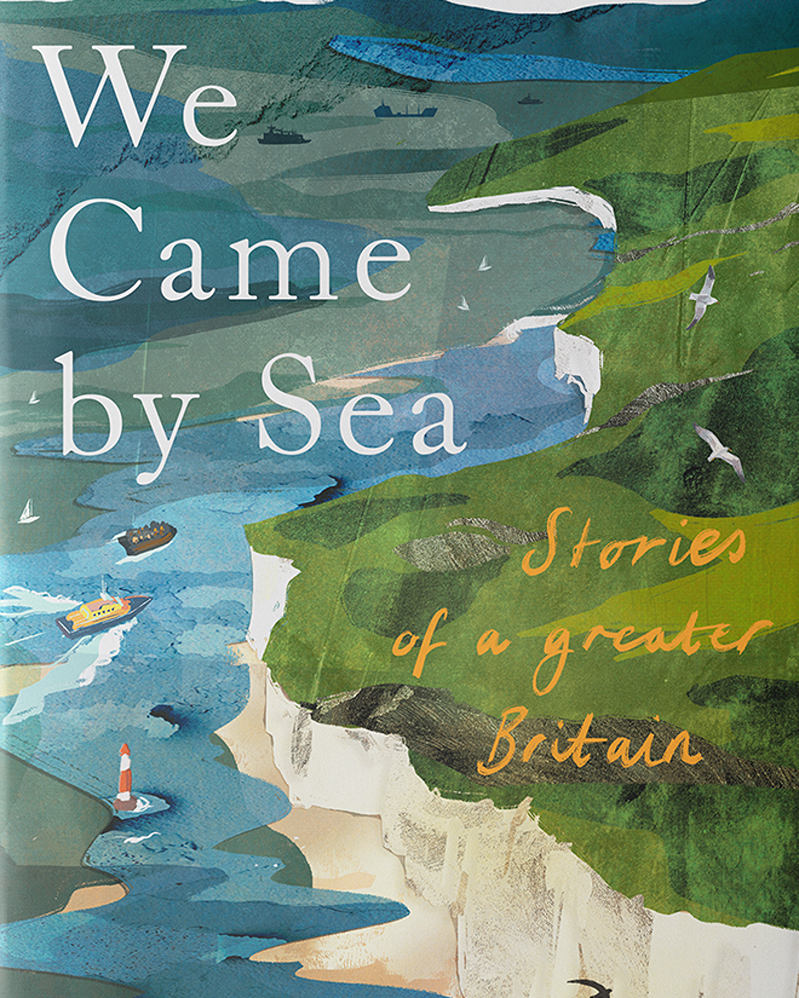
Ian Crofton’s book on English islands has a history of this island, with unexploded bombs being left on the shoreline after World War II. Elmley National Nature Reserve draws birdwatchers with rare waders and sweeping views.
Always follow the Countryside Code to keep all creatures safe. Keep dogs away from steep banks, mushrooms (and toxic plants/trees) and on leads near birds, barnyard friends and wild ponies.
If at the coast, keep away from nesting birds and never walk on sand dunes. Learn how to keep dogs safe by the seaside (check beach bans before travel).
Isle of Sheppey (big skies and hidden corners)
Sheppey sits between the Swale and the Thames Estuary, a low stretch of land where water seems to press in from both sides. It counts as an island even though the Kingsferry Bridge links it to mainland Kent.
Leysdown has a wide shore, although it’s not a postcard-pretty town. Elmley is a different kind of open. Minster adds the human layer. The island’s history sits in the town shapes, the sea front, and the way the harbour and defences face out.
Sheerness has that mix of working coast and ordinary seaside life. You can take the train to Sheerness-on-Sea via Sittingbourne, then use local buses for certain areas. After that, it depends on where you want to end up. A day based around Sheerness and Minster suits trains and walking.
More tiny islands of Kent
The Isle of Thanet is simply a coastal area, that separated at one point from the mainland by River Wantsum, but now is joined again. It has the longest continuous stretch of chalk cliffs in England, and the 40 square miles includes key towns of Ramsgate, Broadstairs and Margate (where Del Boy and Rodney went for their ‘jolly boy’s outing in the classic TV episode of Only Fools and Horses).
There are also a few villages (Birchington-on-Sea, Minster and St Peter’s, along with scenic beaches at Botany Bay and Viking Bay.
Burntwick Island lies in Medway Estuary, cut off from the mainland by muddy creeks and tidal water. There’s no access by road, but you can see remains of a shepherd’s house (long left with his sheep, due to flooding) and littered Victorian glass and pottery.
The island is now a protected nature reserve, the saltmarsh home to curlews and redshanks. Seals often haul out on its muddy banks.
Burntwick was a hideout for smugglers in the 18th and 19th centuries, and also used as a quarantine site during outbreaks of plague and cholera.
This area is renowned for sinking mud, so stay away and check local signage. Estuary mud is not like beach sand. It can be deep, sticky, and uneven, and you can’t always see channels until you’re too near them. Read more on quicksand safety.
Deadman’s Island was named after finding the remains of 200 men and boys who died on ‘floating prisons’ around 200 years ago. Now a protected wetland, nobody visits.