Help Our Exhausted Carers (simple ideas and resources)
England’s army of carers are our unsung heroes, whether they are relatives, friends or volunteers (even paid carers do a smashing job, often criticised by some MPs as ‘immigrants’ rather than the fellow national heroes they are).
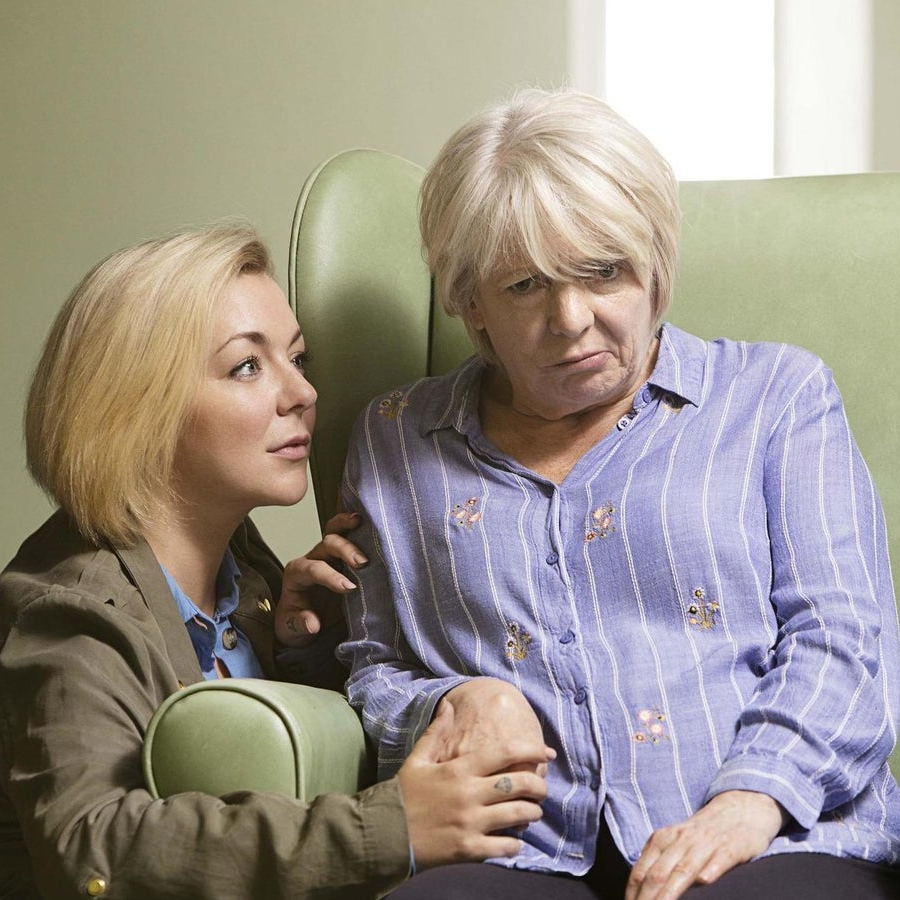
Watch Care, a brilliant film with the wonderful actresses Sheridan Smith and Alison Steadman, about a young woman having to navigate the care system, when her mother becomes seriously ill.
A basic universal income would help, enabling people who were carers to receive a set salary, and not have to be pressured to go to work (or stay at home and live in poverty), simply for wanting to help.
The government website lists the benefits and help available for carers, do ensure that you claim if you qualify.
This includes:
- Carer’s Allowance
- Universal Credit
- Pension Credit
- Carer’s Credit
- Attendance Allowance (for patients)
These then have knock-on effects to other benefits (for instance, qualifying for Pension Credit would restore a winter fuel allowance).
Disability benefits also entitles you to other benefits like Blue Badge cards, Radar keys for accessible toilets, free TV licenses and help with landline phones.
No one can care alone forever. Look up local care support groups, most have one and can sometimes offer volunteer respite care, someone to chat to, and volunteer dog walkers.
Age UK has a wonderful phone helpline where experts can help you with finding help and sorting out financial issues, plus just enter your postcode to find local volunteers who can help to take some of the burden off, with local help.
This can range from social activities to help for handyman jobs, to help for dementia patients and volunteer transport services.
Carers UK also has a local directory of services that can offer help and support.
A journey into the heart of care work
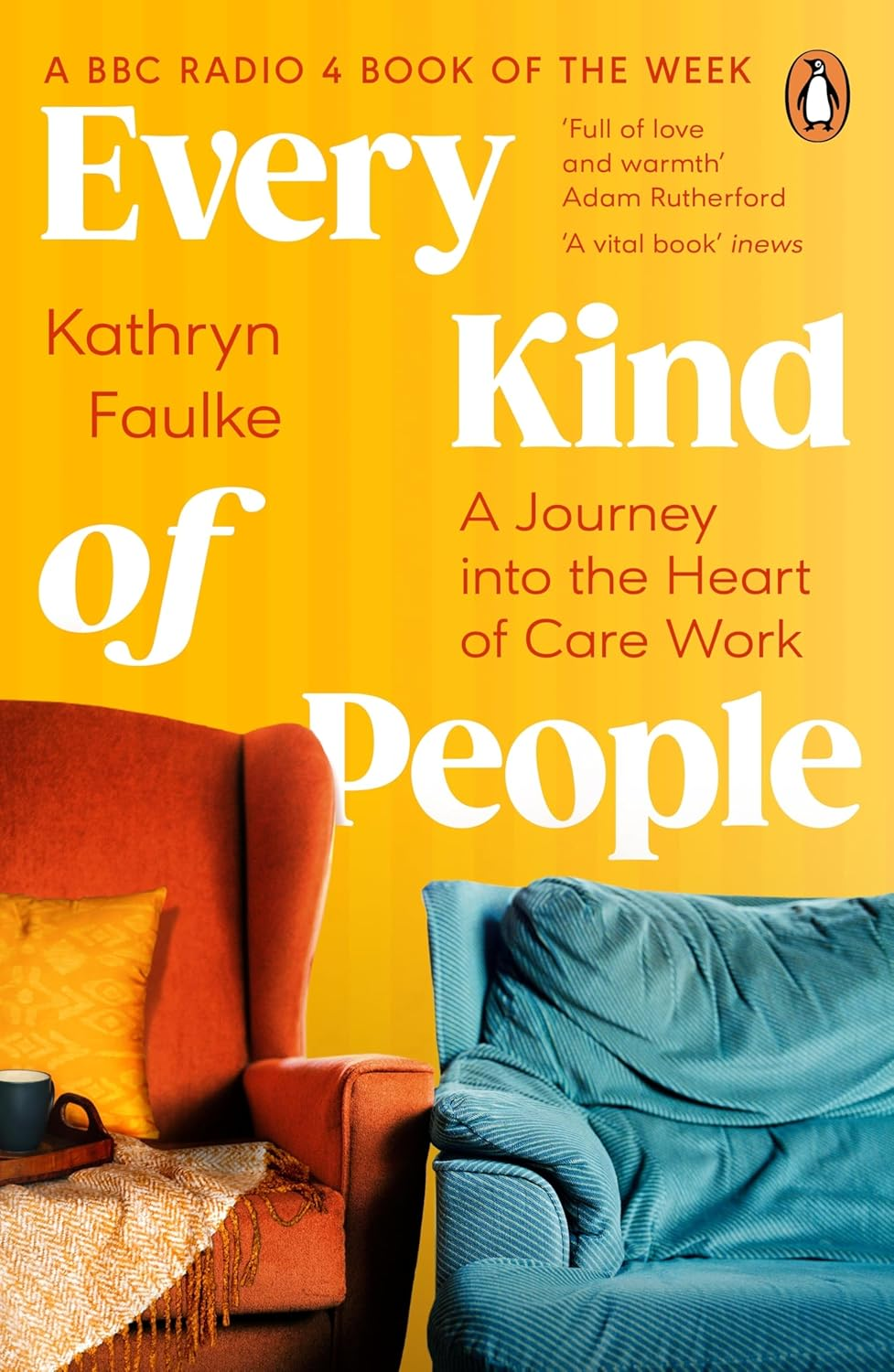
Every Kind of People is a unique book that looks behind the scenes at the millions of people who care for others, either due to family or friendship, or as a career.
This is an uplifting and deeply moving memoir by a care worker, told through her funny, heart-breaking and sometimes frustrating encounters with the often overlooked and isolated people she cares for.
Being as close as this to someone is a uniquely precious place to be. It is a place where secrets are revealed and fears are shared and outrageous jokes are made, that could not be told to anyone else.
Kate never expected to become a home care worker. But when she left her senior role in the NHS (burnt-out and disheartened) she thought caring for people in their own homes, would be a simpler job.
Despite being determined not to become too involved with her ‘customers’, she soon found herself developing firm friendships, forging deep connections and bearing witness to the extraordinary dramas to be found in everyday lives.
With energy, compassion and clarity, her memoirs gives an astonishing insight into this unsung (and often maligned) profession, where people are often poorly-treated and poorly-paid.
From Beryl (who screams like a banshee whenever Kate tries to wash her – but collapses in giggles when her toes are tickled) to bawdy Mr Radbert who ‘promises to give me his car, when he can remember where he left it’.
This is a book that is clear-eyed about the challenges facing the NHS and the care system. But above all it’s a celebration of humanity and the life-changing impact of caring – on those who offer it, and those who receive it.
An extraordinary account of what it is to care for others, both beautiful and painful to read. Dr Gwen Adshead
KAPI (a system of eldercare in sunny Greece)
In Greece, there are far less residential and nursing homes (they do exist, but as a rule, families look after ageing or disabled relatives rather than the state). And Greece’s recent economic woes, means that there is not enough funding to build, staff or pay for such homes in many areas.
Obviously the lifestyle is quite different. In Greece, nearly everyone lives on natural food (fresh fruits and vegetables) and as one of the world’s sunniest countries (and home to 6000 islands), many people enjoy fresh countryside or seaside air, until their dying days.
The strong family units means that most older people don’t feel lonely or abandoned, and it’s a source of pride in Greece, to be chosen as the relative to care for a parent (or parents) in later life.
The Eastern Orthodox church is also very popular here, and again a deep focus on faith in daily lifestyle, means commitments to older relatives are taken seriously, with far more importance than say a focus on one’s own freedom and ambitions.
As in many southern European countries, if older relatives don’t live with their younger relatives, many still live next door in the same apartment block, sharing meals, shopping errands and looking out for each other.
Around 40% of older people in Greece live with their family, a share higher than most other European countries.
As a result, there are less cases of loneliness (and sometimes dementia if it’s caused by isolation), due to companionship, conversation, and purpose. Older people in Greece are respected as wide elders, loving grandparents and sources of history and ancestry.
KAPI (Open Protection Centres of the Elderly) is a service provided by the state, for all older people (not based on income). These centres offer medical check-ups, health education and recreational activities, along with extra help if needed like home care or specialised care. These centres can also be used for respite, to give exhausted carers a break.
Due to the much lower ratio of care homes (families still take on most caring responsibilities), this culture frees up money in order to provide these services to the general public, at low cost.
Anyone over 60 in the community can benefit from daily prevention (blood pressure checks) to occupational therapy and physiotherapy, which helps to prevent minor conditions becoming more serious, which obviously then cost the state more money in medical costs.
If we compare this with England, mostly it’s just a case of GPs doling out medicines, and older people only ending up in the care of the NHS once they get seriously ill, or when entering a residential or nursing home.