The Ancient Standing Stones of Cornwall
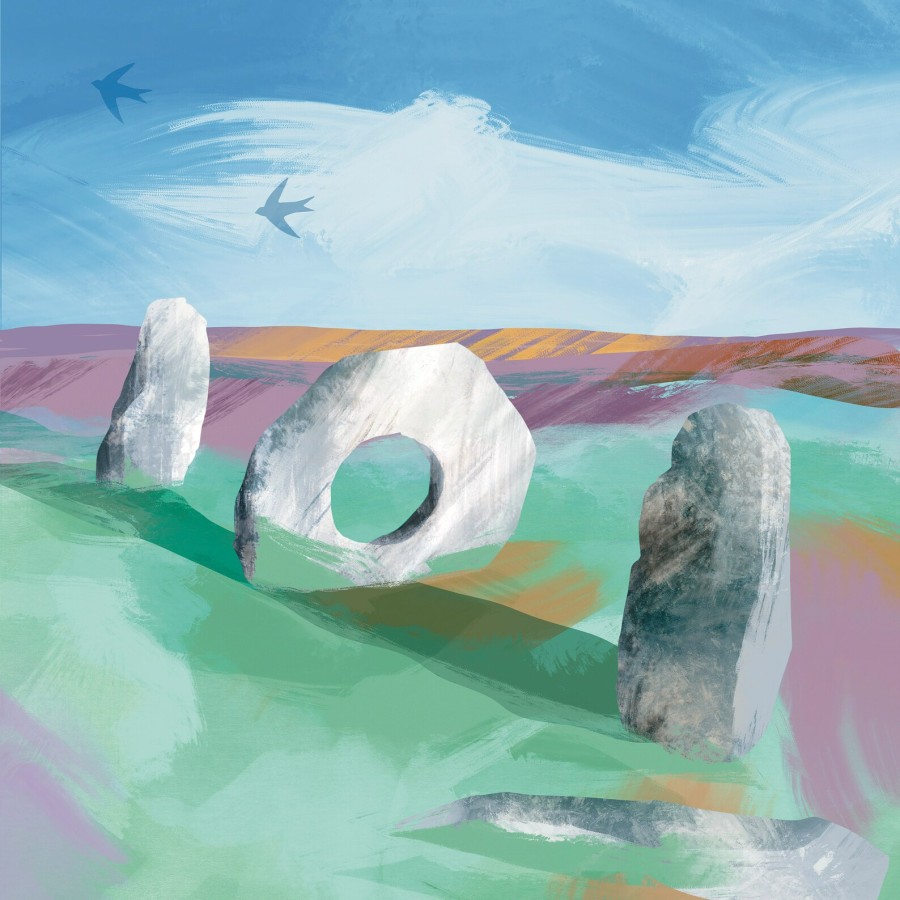
England is a much older country than say Italy (only just over 200 years old). So we have quite a few prehistoric monuments! You can find a full list of these at English Heritage, if you’re a bit of a history buff.
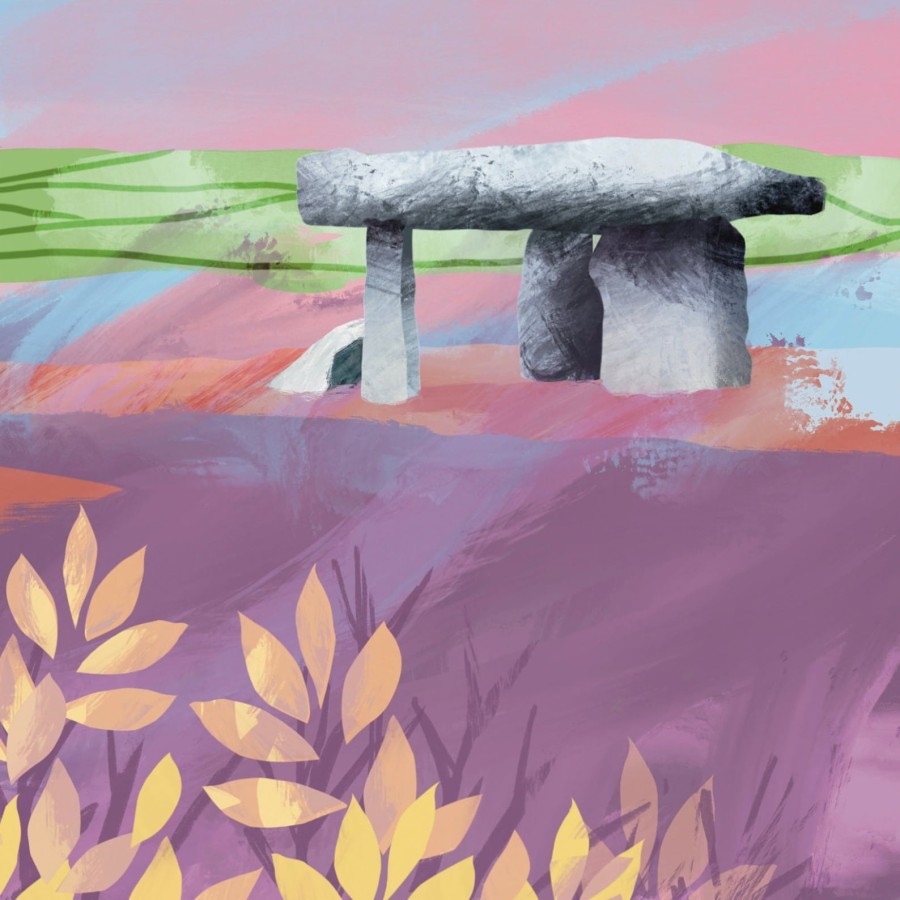
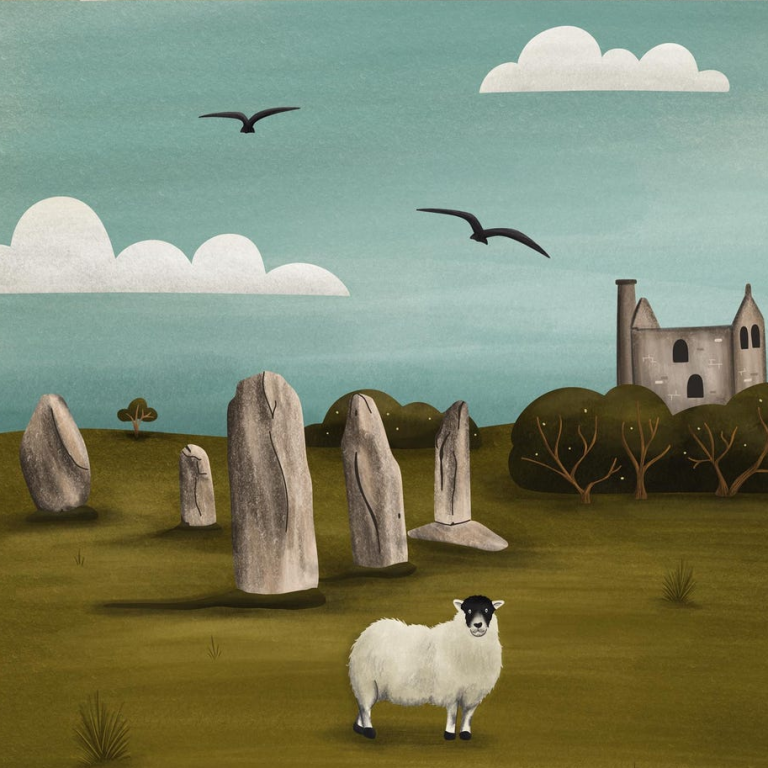
Cornish standing stones (menhirs) are megalithic marvels, each with their own stories to tell. Dating back to the Neolithic and Bronze Age, they vary in size from humble markers to towering monoliths.
Lanyon Quoit is the most photographed of all the standing stones in Cornwall. However, it’s the least authentic, as the original collapsed in storm back in 1815, so it’s kind of a new version! It’s thought that too many people kept digging underneath to find treasure, that possibly never existed!
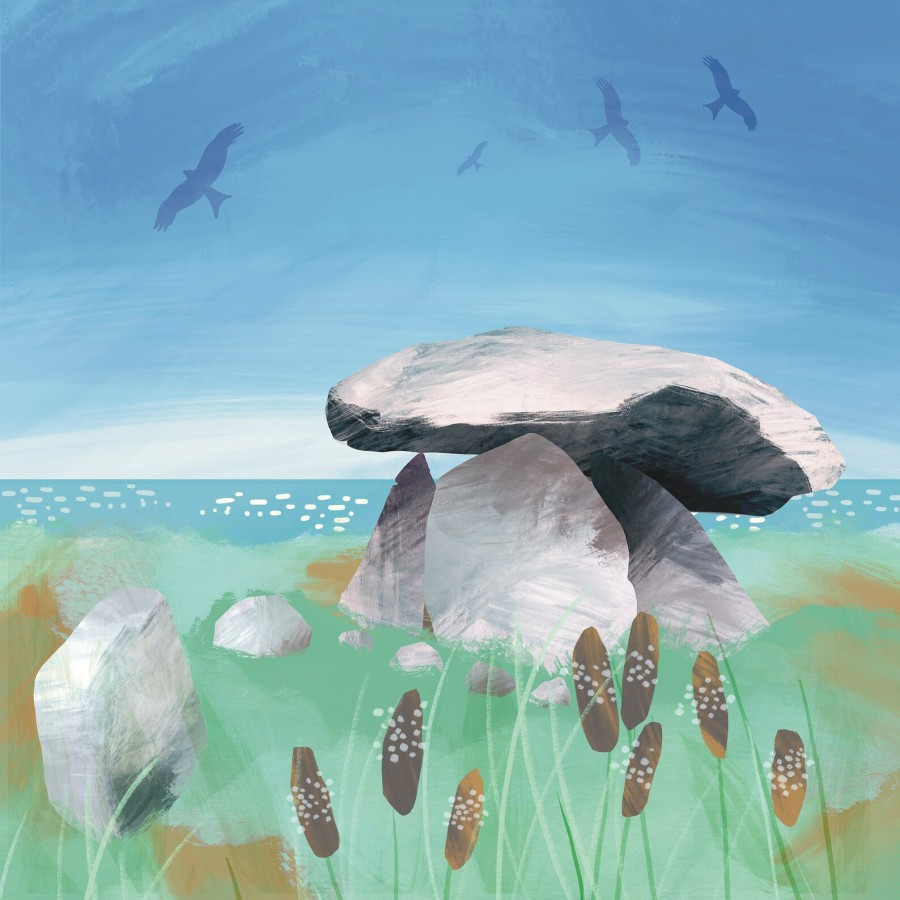
Typically fashioned from granite or slate, you’ll often find them in groups, forming circles or avenues. Perhaps the local red kites flying above these ancient stones (mostly found in the southwest) are the only ones who know exactly why they were built?
More standing stone legends of Cornwall Cornwall
- The Merry Maidens: girls who were turned to stone, for dancing on a Sunday!
- The Blind Fiddler with them, was also turned to stone.
- The Piskies: A legend tells of a Piskie who swapped a child with a changeling (a supernatural Celtic being), and the parents were able to reverse the spell by passing the changeling through the hole in the Mên-an-Tol stone.
What are the standing stones of Cornwall?
Most date from the late Neolithic and Bronze Age, which means they were raised roughly 4,000 to 5,000 years ago. That alone is striking. They were already ancient when Rome was young!
Not all sites look the same. Some are single upright stones, often called monoliths. Others form stone rows, set out in lines across open ground. Then there are circles, where several stones mark out a ring. Each type may have served a different role, though the lines often blur.
These places matter because they give us clues to a lost world. People had no writing here at that time, so the stones speak through position, shape, and setting. Some stand near burial sites. Others sit on ridges, near routes, or on high ground with long views. That suggests links with ritual, memory, meeting, and movement.
How old are the stones and who raised them?
Most of Cornwall’s standing stones belong to the period between about 2500 BC and 1500 BC. That covers the end of the Neolithic and much of the Bronze Age. No written records survive, so no-one can name the builders!
Instead, archaeologists piece the story together from excavation, nearby finds, soil layers, and comparison with other prehistoric sites in Britain. In other words, the picture is built slowly.
What were the stones used for?
Some likely marked burial grounds or places of ceremony. Others may have served as gathering points, route markers, or signs of shared land. A few seem to have links with the sun or moon, though claims need care.