Animal Parenting (what to learn from other species)
Many creatures can teach us so much about to raise children!
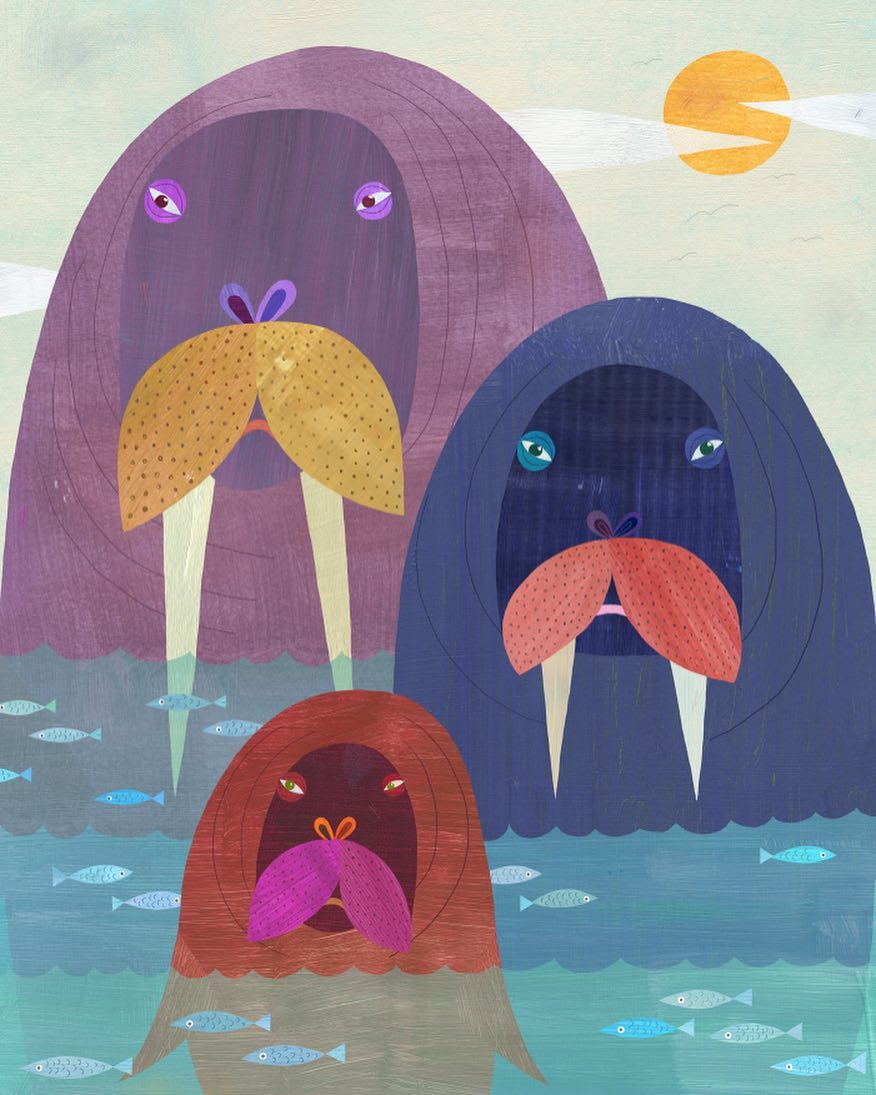
Walruses
Females often forming a shield around young calves in the water. They don’t have human arms, so use their flippers to hold offspring close! They even adopt orphans, if youngsters lose their parents. They will even fight polar bears, to defend their young.
Domestic Cats
They let their young roam and take risks, giving kittens room to explore. The mother may watch from nearby but rarely intervenes unless trouble appears. Sometimes stepping back gives children the space they need, to grow stronger and more independent.
Lions
Lionesses often team up, sharing feeding and protecting duties. While mothers are there for cubs, the pride works as a group to defend against threats and bring home food. This teamwork shows the value of group support, trust and shared responsibility in raising children. Relying on community makes tough times easier.
Eagles
These birds of prey bring strong safe nests high above ground. As eagles mature, the parents nudge them out of the nest, when the time is right. This blend of guidance and gentle pressure helps young eagles learn to survive. Parents can learn to support children with protection, then step back so they find their wings.
Beavers
These large rodents work side by side to create lodges and dams. Parents teach young beavers the skills they need to build safe homes, and gather food. Showing hands-on learning, builds strong foundations for the future.
Emperor Penguins
They team up to raise chicks in freezing weather. After the mother lays her egg, the father keeps it warm, often for months, while she returns to sea to feed. Later, both parents share the work of feeding and keeping the chick safe. Shared roles and support teach the power of working together, even when conditions are tough.
Wolves
They look after each pup as a group. Older siblings or “aunts” and “uncles” help the main pair by feeding, playing, and protecting the pups. This all-in approach means every young wolf gets attention and help from more than just the biological parents. People see a model of extended family care and deep social bonds.
Elephants
Female elephants form tight groups called herds, led by a matriarch. Mothers, aunts, and older siblings all pitch in to watch over new calves. If a young elephant wanders too far or needs comfort, any member will respond. Youngsters learn the rules and get guidance, surrounded by support and wisdom.
Albatrosses
Chicks are raised by two mothers. These pairs form strong bonds and share all parenting tasks. They keep the chick warm, feed it, and ward off threats. This cooperative parenting model shows that love and commitment, not just biology, can create a strong family unit.
Emus
Male emus take parenting into their own hands. After the female lays her eggs, the male incubates them, rarely leaving the nest for weeks. Once the chicks hatch, dad leads them for months, teaching and protecting them until they’re ready on their own. He proves that dads play a key role in nurturing and guiding children.
Whales & Orcas: Never Forget Your Mother!

Whales raise their young in matrilineal pods, so calves learn vital skills like communication and hunting. The mothers often push their calves to the surface to breathe, as whales have long periods of dependency. Even longer with orcas (killer whales) who stay with mum for the rest of their lives. Cute!