Berkshire (Windsor, Affluent Towns & the Downs)
Berkshire is part of South East England, bordering west London and running out towards the edge of the Thames Valley. If you picture London as a bright hub, Berkshire is one of the nearest spokes, close enough for commuters, yet wide enough to breathe.
The county feels like a mix of two worlds. In the east, towns sit close together, roads are busy, and trains run often. Head west and south, and the pace changes. You start to see wider views, older villages, and pubs that still feel like local places. In other words, Berkshire isn’t one single “type” of destination. It’s a patchwork.
That variety is part of why Berkshire matters. It’s a working county, with major employers and a strong travel network. At the same time, it’s home to long riverside walks, and chalk hills that look almost soft in the evening light. You can do a museum in the morning, a castle after lunch, and still be back home for tea.
If out walking, follow the Countryside Code, to keep all creatures safe.
The Berkshire Downs: big skies and chalk hills
The Berkshire Downs are rolling chalk hills, with open grassland and long views. They aren’t mountains, so you don’t need special kit. Still, the landscape feels bold because the skyline is so wide and the paths often run along ridges.
Walking is the main draw. The Ridgeway National Trail, one of Britain’s oldest routes, cuts through parts of the area and suits both short strolls and longer days out. If you like viewpoints, the hills near the Watership Down area give you that “bigger than your to-do list” feeling, especially on a clear day.
Bring the right footwear, because chalk paths get slippery after rain. In autumn and winter, it’s also worth packing a warm layer, since the wind can bite on open ground.
If you want Berkshire at its calmest, go west or head up onto the Downs. The county gets quieter very quickly once you leave the main stations.
Sandhurst (woodland walks and local history)

However, there is a lot more to Sandhurst and nearby Bracknell. Calm places to stretch your legs and nearby woodland, local churches and green corners that form the heart of this leafy county.
Sandhurst sits in east Berkshire, close to the borders with Hampshire and Surrey. It’s the sort of place many people pass through on the way to bigger centres, yet it works well as a base for green walks and low-key exploring. Day to day, it feels residential, with pockets of local shops and services rather than a big, showy centre.
Because it’s near larger towns, you can mix and match plans. Bracknell is close to urban areas, plus also wider countryside for more space and quieter routes. The area also has that wooded character people often link with Bracknell Forest, even when you’re simply following local paths and tree-lined roads.
What makes Sandhurst different from nearby Bracknell?
Sandhurst feels smaller and more spread out than Bracknell. That difference shows up quickly once you start walking. In Sandhurst, you’ll often reach woodland edges and footpaths within minutes, and you’ll hear more birds than traffic in some spots.
Bracknell, in contrast, is more built up, with larger retail areas, office parks, and busier roads. That’s useful if you want a wide choice of shops and places to eat. Still, if your idea of a good day includes trees, open meadows, and a calmer evening, Sandhurst usually suits better.
The Royal Military Academy Sandhurst
The Royal Military Academy Sandhurst gives the town a name that travels far beyond Berkshire. For many visitors, it’s the reason they look up Sandhurst in the first place. It’s also worth keeping expectations realistic, because it’s a working military site and not a typical visitor attraction.
Even with limited access, the Academy’s presence still shapes the local feel. You may notice military connections in small ways, such as local memorials and a general sense of tradition. At the same time, most of Sandhurst carries on as a normal town, with schools, parks, and everyday routines.
The Royal Military Academy Sandhurst trains British Army officers. It has a long history tied to this part of the country, and its name has become shorthand for officer training in the UK.
A calm walk at Shepherd Meadows Nature Reserve
Shepherd Meadows Nature Reserve suits slow wandering. Expect open meadow views, changing skies, and the small details that are easy to miss when you’re in a hurry. In spring and summer you may spot seasonal wildflowers, while birdsong and movement in the hedgerows can keep kids interested without needing a “big attraction”.
After rain, the ground can turn soft in places, so decent footwear helps. If you bring a dog, keep it under control, especially around wildlife. Also, take litter home, even if it’s just a snack wrapper, because these places only stay peaceful when visitors treat them well.
Early morning often feels quietest. Late afternoon can be lovely too, especially when the light drops and the meadow colours change.
After your woodland walk, stop off at the Church of St Michael and All Angels. Churches are still active community spaces, so check opening times and behave considerately. If it’s open, a short visit can add depth to the day without taking much time.
Windsor and Windsor Castle: royal history
Windsor looks polished, but it still feels like a real town. The star attraction is Windsor Castle, one of the oldest occupied castles in the world. Inside, the State Apartments show off grand rooms and art, while St George’s Chapel is quieter and more reflective. On some days you can also see the Changing of the Guard, which adds a bit of theatre to the morning.
Reading: riverside, culture and good food
Reading is often treated as a change-at station, yet it’s worth a proper stop. The town has two rivers, the Thames and the Kennet, which means you can find waterside paths without leaving the centre. For a first-time visit, Reading Abbey Ruins add a sense of depth, even if you only spend 20 minutes there.
The town centre is busy, so it helps to plan your day with a few calm breaks. Try a morning riverside walk, then lunch in town, then an afternoon museum or gallery visit. Parks like Forbury Gardens also work well if you’re travelling with children, or if you simply want to sit somewhere green.
Slough: more than a motorway stop!
Slough gets lazy jokes, but day-to-day it’s a place people use, not just pass through. It has a strong jobs base and great links, including fast access to Heathrow and easy routes towards Windsor. That convenience shapes the town’s character, it’s practical first, with variety in its food and communities.
For visitors, Slough works best as a base or a short stop. Look for local parks when you want a breather, or use the town as a launch point for nearby days out. Langley Park, for example, gives you open paths, woodland pockets, and space for a simple walk without a big drive.
Eton, Berkshire (not just a posh private school)
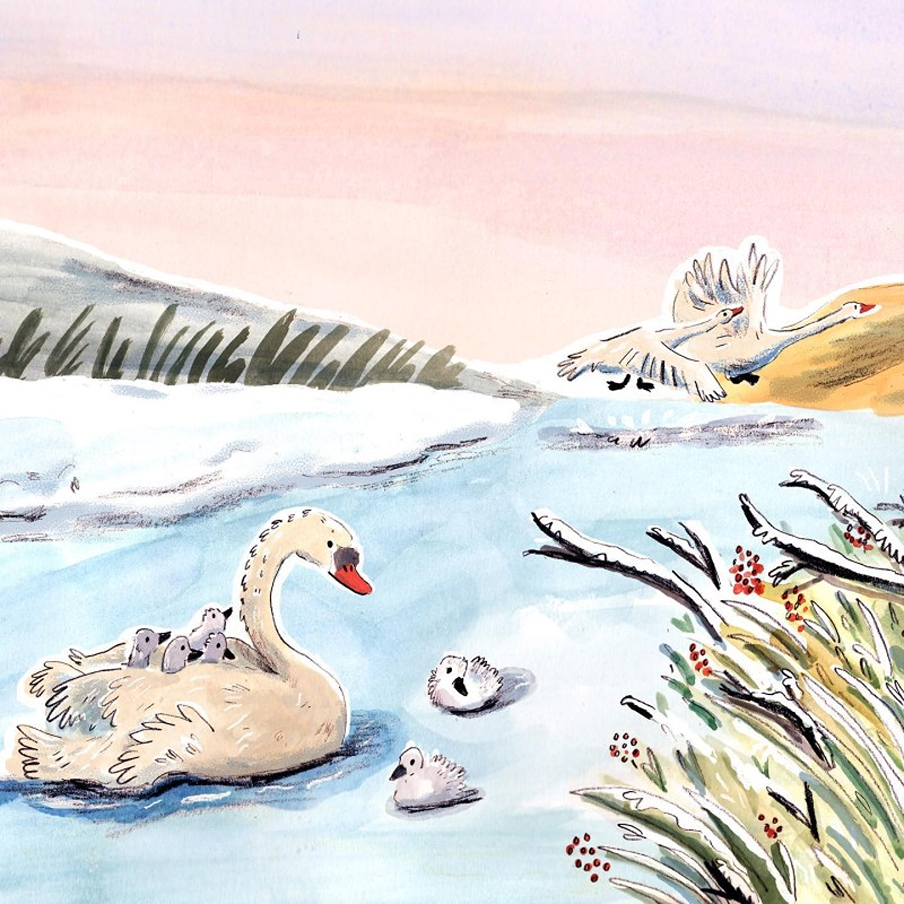
Eton is known for its posh school (past alumni include Royal Family sons and former Prime Ministers. Along with actors (Damian Lewis, Dominic West and Hugh Laurie). But the town is also home to one of England’s swan sanctuaries, which gives advice to help our graceful swans.
The seven-acre site on the River Thames houses Cuckoo Weir Island, a tranquil and peaceful location. It has 10 outdoor pens to house up to 180 swans needing help, with each one containing a pond, for a constant flow of river water.
The intensive care unit has 10 heated indoor pens for poorly swans, and a treatment room with various medical supplies, including a specialist ‘swan bath’ for swans covered in oil.
An easy way to raise funds is to sign up with easyfundraising (nominate Swan Lifeline, then anytime you buy things with shops or services, it donates a portion of profits, at no cost to you). You can if preferred donate anonymously, set up a giving account at Charities Aid Foundation.
Berkshire is an affluent county not from London, so popular with commuters. It houses the ‘posh’ town of Windsor and the ‘not-so-posh’ town of Stroud (featured in The Office comedy series).
Controversies at Eton College
Eton College (despite being one of the most exclusive and expensing boarding schools in England, has faced many controversies over the years, showing that it’s not as lovely and innocent as beautiful swans!
Recently it has received agricultural subsidies from the EU, a bit daft considering its wealth, while farmers struggle. Yet the school charges around £40K per student each year?
Other controversies over the years have included:
- American actress Talulah Bankhead who famously said ‘I’m as pure as the driven slush’, was accused of smuggling boys under a rug in her car, in order to corrupt them with sex and drugs. The M15 investigated but could find no proof.
- The college received £3 million in national lottery grants towards a new sports complex, while the local athletic club had no money to build a running track.
- In 2022, a group of state school girls who attended a talk given by Nigel Farage, were booed and subjected to misogynistic language. Nigel said the talk atmosphere was ‘riotous’.