Street-Level Living: How Four-Storey Architecture Shape Life

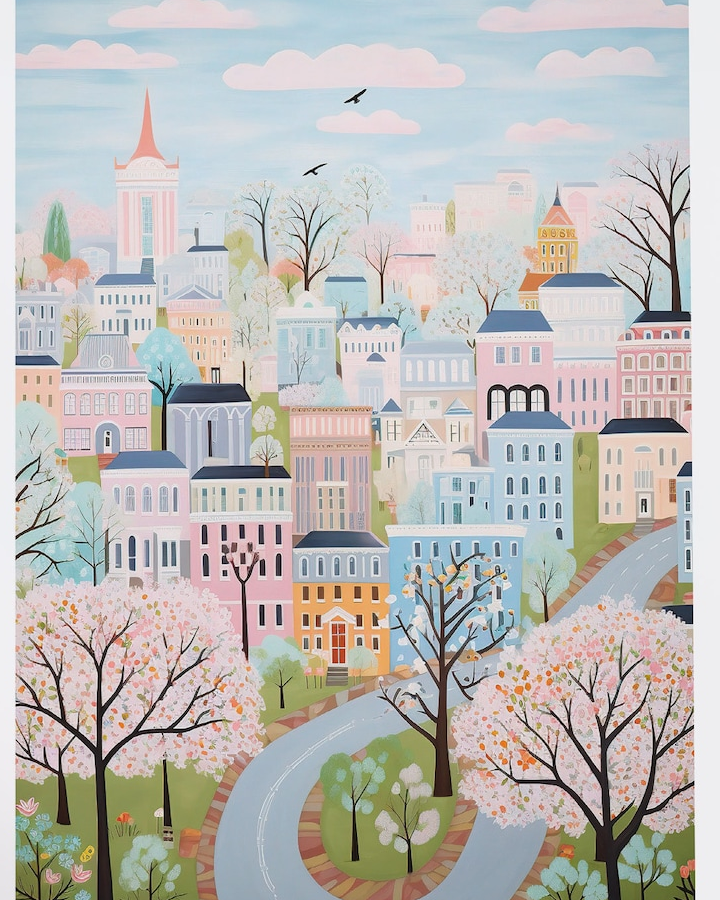
There is a strong view amid inspirational urban planners that not building communities higher than four-storeys has huge positive effects on communities. Not to mention that they are safer for fire brigades to access.
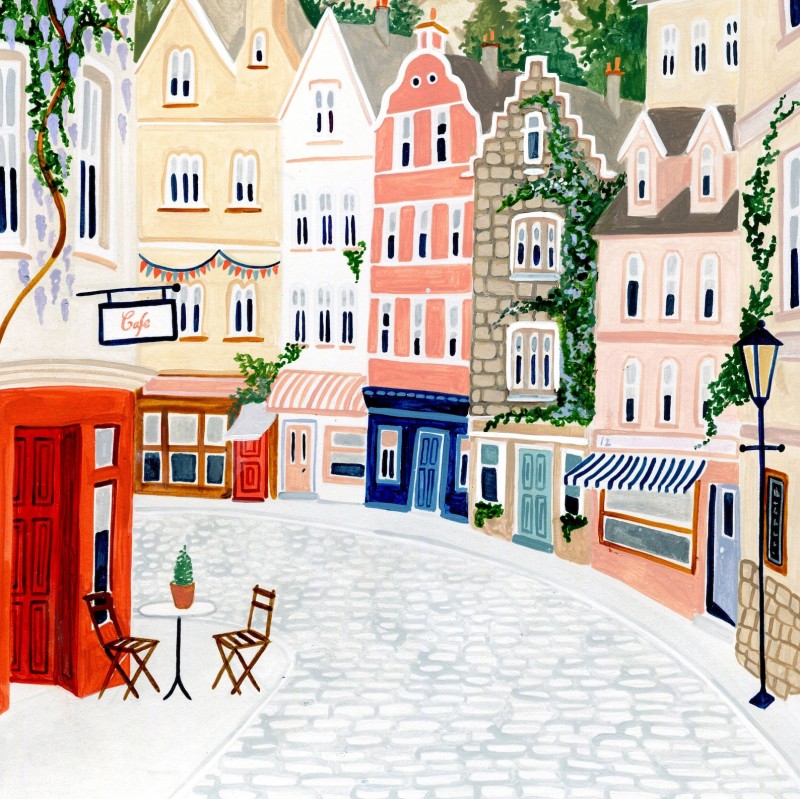
People can still enjoy their privacy. But in four-storey communities, nobody is isolated. Fit people can use the stairs (not needing lifts) and people can still view people on the street, even if they live on the top floor. Lower storey buildings encourage social interaction, leading to casual chats in halls and lobbies.
Urban theorist Jane Jacobs calls four-storey buildings ‘eyes on the street’, meaning that they create a ‘natural surveillance’ to keep neighbourhoods safe. Parents are still able to see and call down to children playing in courtyard spaces, and crime drops dramatically, as there are no ‘hidden corners’.
Skyscrapers are also usually made from glass, which (with lights on) increase the chance of birds flying into windows. Read more on how to prevent bird strike.
Paris (the ultimate four-storey city)
If you look at Paris, apart from the odd tall building (like the Eiffel tower), nearly all buildings are no more than four-storeys high, and everything is built on a walkable ‘grid system’.
People often wonder why ‘French people are so slim’. A good part of it is that they tend to walk everywhere, as they live in walkable cities!
Paris also has no boarded up shops, nor streets full of empty buildings or vape shops. Residents and shopkeepers live side-by-side, with people walking to the local boulangarie or patisserie, as the town planning encourages local communitie and independent shops.
In France, local bakers are so important to communities, that it’s illegal for them to take their holidays at the same time!
In recent years in England, there have been a few horrible cases, of people who have literally been dead for years in their own homes, with nobody nearby noticing. Only until automatic payments stop and baliffs turn up to find the bodies. And these were in urban areas, not miles away in the countryside.
More cities with low-rise buildings
Many other cities in Europe follow the same principle:
- Prague (Czech Republic) is one of the world’s most beautiful cities. Again apart from one ugly building (which some say looks like an electric toothbrush!), most buildings are low-rise.
- Budapest (Hungary) has a law that buildings can only be up to 300 feet (about the height of Big Ben). Councils had to block proposals for tall towers near the Danube, due to public protests.
Lessons learned from Grenfell Tower
The terrible fire at Grenfell Tower (24 storeys high) in Kensington left many lessons (72 people and many animals died). Two residents (who died in the fire) had even warned of the dangerous design of the building (the combustible cladding had not been removed)
The fire began with an accidental fault in a fridge. London Fire Brigade’s Total Recalls campaign is asking for a ban on plastic-backed white goods (like chip fat fryers, these are a main fire risk).