Vegan meat alternatives (with no palm oil)
England is a country of around 67 million people. This means that although most people eat meat (though the amount of people who don’t is growing rapidly), there is simply not enough land for everyone to eat free-range meat, from animals that graze outside and have access to cosy indoors barns.
For bacon and ham, read about the plant-based charcuterie!
This means that most meats sold in England are either raised in factory farms here, or imported (for instance, most factory-farmed Danish bacon is imported to the UK).
Avoid sausages for young children and choking hazards (for older children, slice lengthwise and lengthwise again into strips). Recycle packaging at supermarket bag bins, if your kerbside doesn’t recycle.
Don’t give leftovers to pets, garden birds or wildfowl (due to onion, garlic, salt).
So it’s not ‘harming traditional farmers’ to try faux meats, because people who eat meat will support them anyway by eating free-range meat. But for everyone else, then it’s good to discover some good vegan alternatives.
And these are not just animal-kind, but cholesterol-free and not linked to cancers, like many processed meats (bacon is an obvious example, due to nitrates produced when cooked).
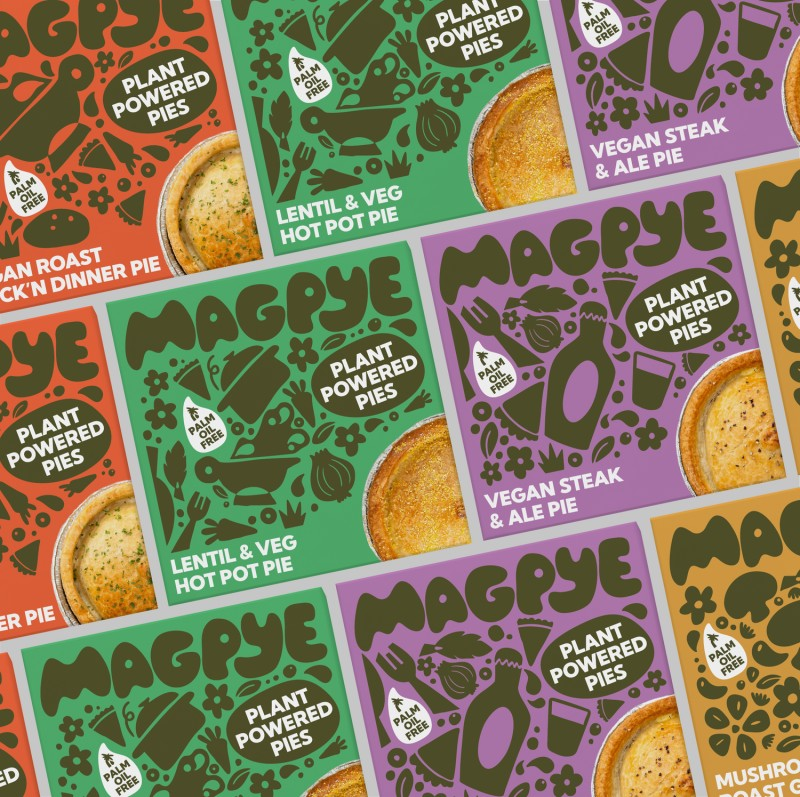
Magpye (vegan meat pies with no palm oil)
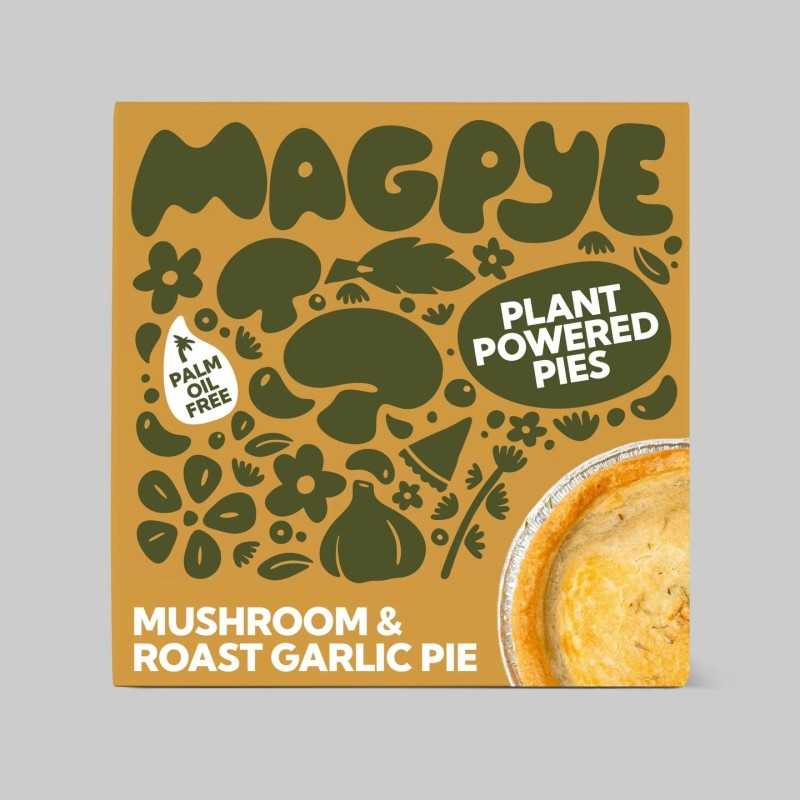
Magpye is an amazing company in Northumberland, where a couple make vegan pies (without palm oil) then fill them with vegan steak and chicken, and sometimes vegan steak and blue cheese! They are even made with pastry made from regenerated local wheat.
The range includes:
- Steak & ale (in onion gravy)
- Chick’n, Leek & Bacun (in creamy parsley sauce)
- Mince & Onion (in homemade gravy)
- Mushroom & Roasted garlic
- Roast Chickn’ Dinner (in a pie!)
Moving Mountains (plant burgers and sausages)
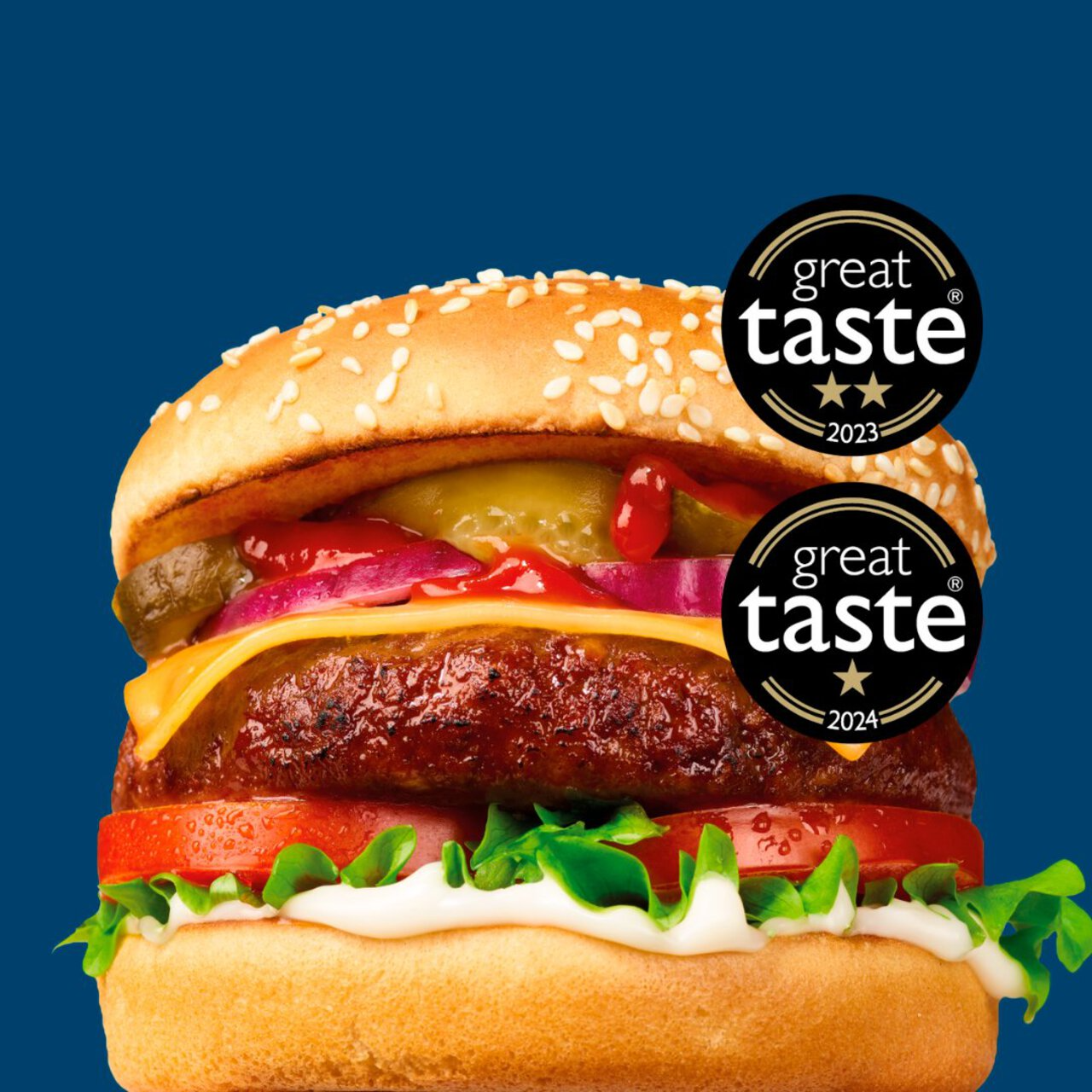
Moving Mountains Foods (sold in shops and wholesale to hotels and restaurants) is one of the better brands, made with pea protein and sold in easy-to-recycle packaging. This brand sells burgers and other faux meats like sausages and hot dogs, along with faux fish fillets and fish fingers (as good as the captain’s!)
The brand was founded by a vegetarian entrepreneur, who was told by his GP to give up dairy for his health. He did, and now this brand sells millions of plant-based alternatives to the masses.
Their burgers hold up well for a barbecue or in a pan, always staying tender and moist. You’ll also find faux versions of chicken, beef and pork.
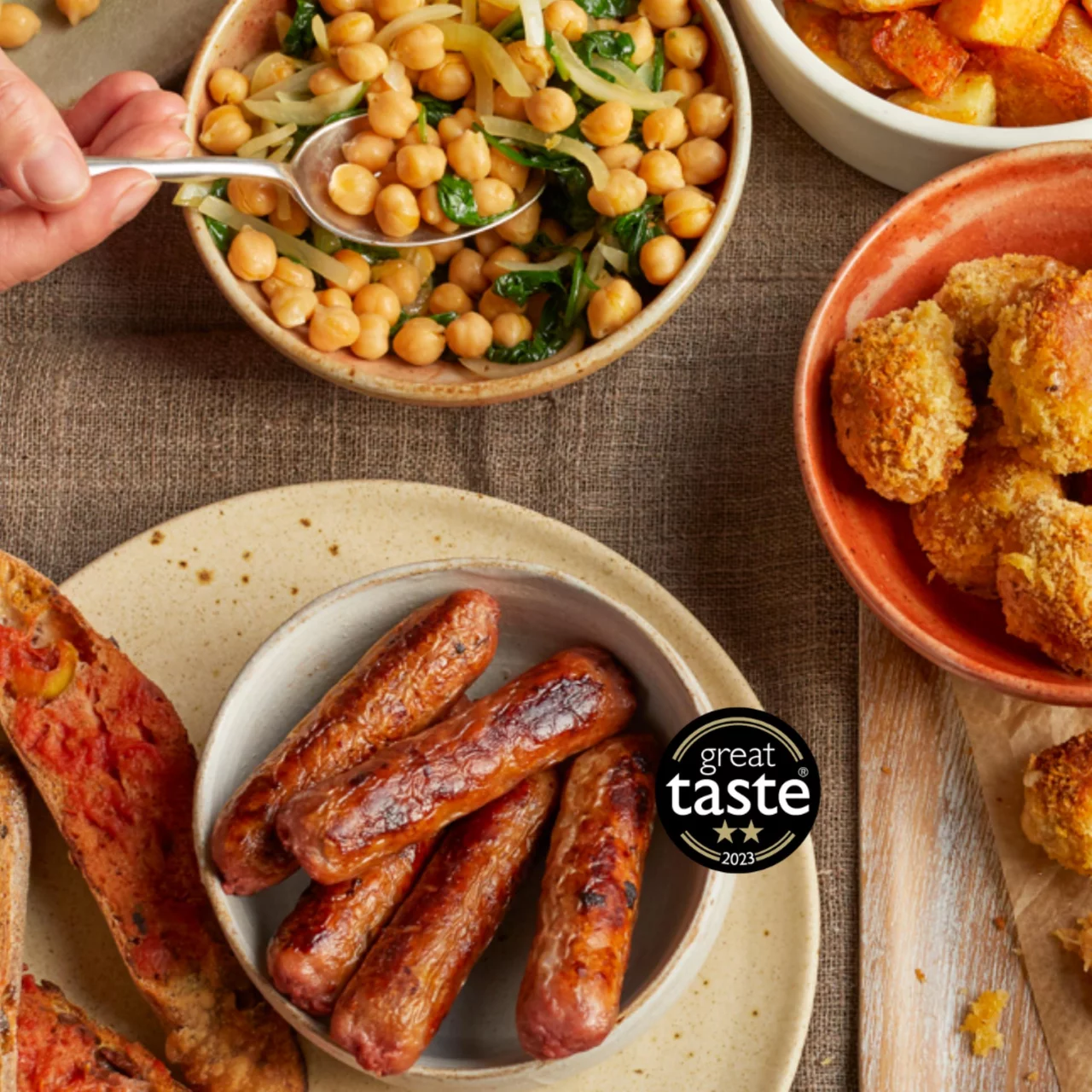
There are also plant-based versions of:
- Beef (including bolognese mince and ‘meatballs’)
- Pork (including hot dog sausages)
- Chicken (including nuggets)
Planted (quality vegan Swiss meats)
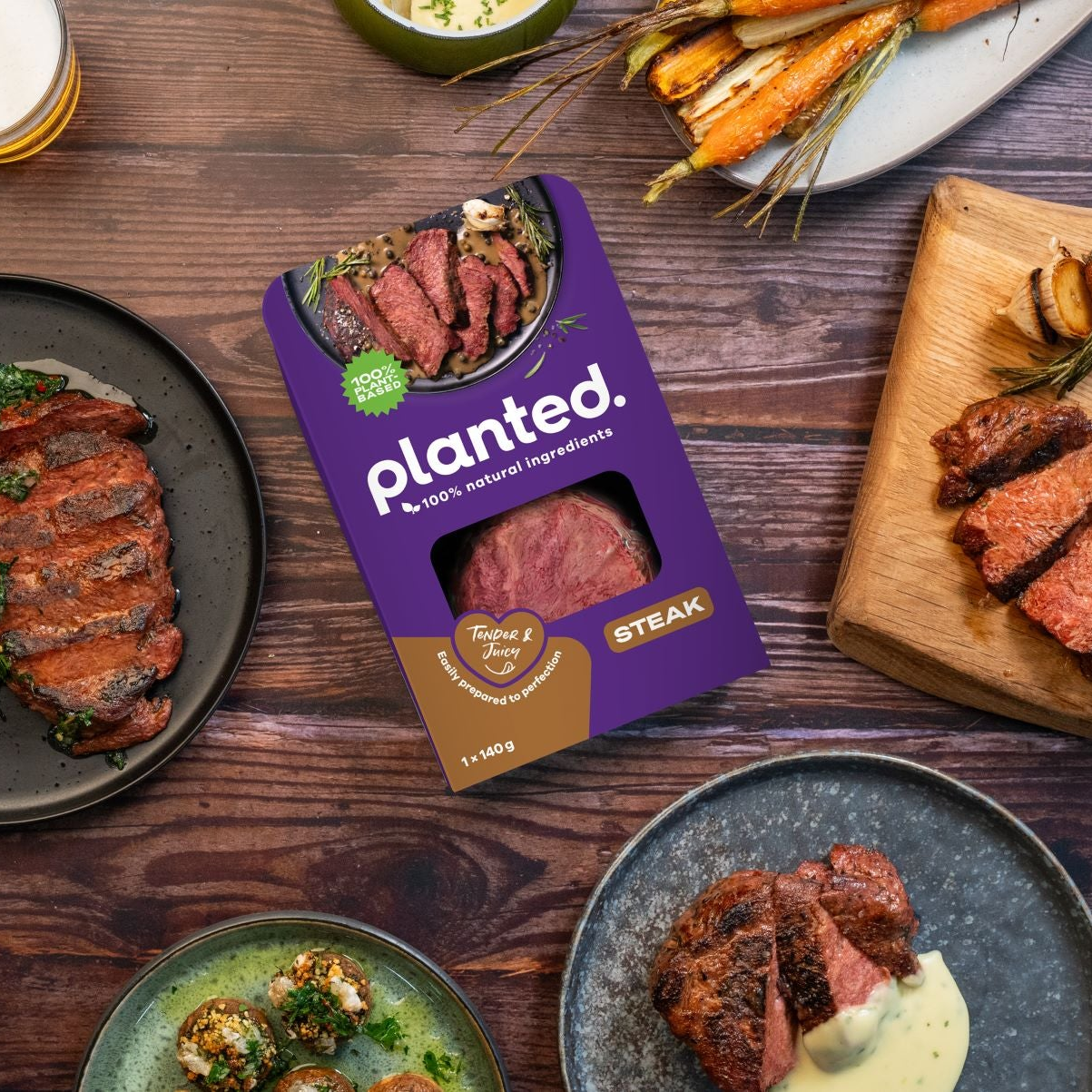
Planted is a European brand (from Switzerland) of foods, widely sold in UK grocery stores. This one is setting the standard for ethics, sustainability and taste of faux meats. The brand’s ambassador is meat-loving wrestler Christian Stucki. A passionate amateur chef, he has made this brand uber-popular (the chicken is even now sold in Swiss Subway restaurants).
The range includes:
- Steaks and burgers
- Chicken schnitzel and nuggets
- ‘Pulled pork’ and Bratwurst sausages
- Kebabs and ‘vegan duck’
The No Meat company (vegan sausage rolls)
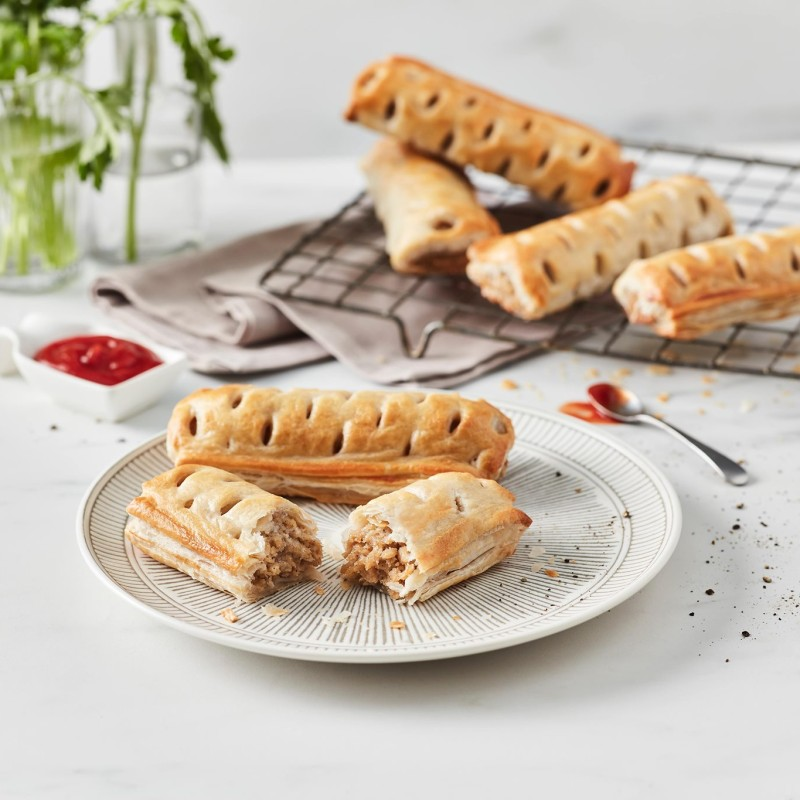
The No Meat Company is the find you’ve been looking for. Tasty vegan meats all without palm oil (even their sausage rolls). Despite the popularity these days of ‘vegan sausage rolls’, nearly all sold contain palm oil. But these don’t, so are helping to protect habitats of orangutans and other endangered creatures in Borneo and Indonesia.
What’s great is that these products are designed to be affordable. You can find them in Iceland and Food Warehouse along with online at Ocado. All products are cooked from frozen.
As the government is legislating so vegan brands can’t call their products ‘meat’, this company has cleverly just labelled its products as ‘chicken-friendly’, ‘cow-friendly’ and ‘pig-friendly’ to avoid rebranding! The range includes:
- Vegan Sausage Rolls (palm-oil-free pastry) are seasoned with sage and onion. In jumbo size, slice in mini-bites to share. Or eat a whole big one yourself!
- No Chick & Vegetable Pies have no palm oil in the pastry. These seasoned soya chunks with carrots and peas in gravy, are nice with mashed potatoes, broccoli and vegan gravy. Or thick-cut chips and mushy peas.
- No Meat Mince is good in spaghetti bolognese, lasagne, chilli non carne or cottage pie. Serve with garlic bread or a green salad.
- No Meat Crispy Nuggets are good in a wrap with salad, or go traditional and serve with oven chips and peas! Or in a sandwich with lettuce and tomato.
- No Chick Tikka with Rice (chicken-style pieces simmered in spiced tomato sauce with fluffy basmati rice). Serve with warm garlic naan and mango chutney.
Why do Gregg’s sausage rolls use palm oil?
Almost certainly due to it being cheap (despite being flown thousands of miles across the world to sell here). There are other alternatives (as proved with the The No Meat Co – if they can do it, so can all the others).
And despite sometimes being a mouthy anti-vegan goof, Piers Morgan is right to chastise companies that promote vegan sausage rolls as being ‘animal-friendly’. Because if they contain palm oil, they are not. Greenpeace says there is no such thing as ‘sustainable palm oil‘. It’s just a self-policed term used by industry, to get away with using inferior ingredients for more profit, at the expense of endangered species that are nearing extinction.
When buying baked goods, don’t look for the RSPO (Roundtable on Sustainable Palm Oil) logo. Look for the Palm Oil Free logo instead.
As well as being high in saturated fats, Gregg’s vegan sausage rolls also don’t apparently even taste nice. They are made with Quorn protein and seasoned heavily, but go a funny texture when cold, due to palm oil.
One French man wrote online ‘As I chewed and swallowed, I simply couldn’t understand how something could taste so bland, yet so revolting at the same time’.
Why pigs are brilliant!
Pigs are such wonderful mothers, they sing to their piglets! They are also very clean animals. They will build nests and walk up to a mile to go to the toilet. They are so brainy, they are up there with dolphins and chimpanzees.
They have strong bonds and will sleep nose-to-nose with other pigs. And use their sensitive snouts to forage for food (as eyes are on the sides of their heads, they have poor depth perception though can see a 310 panoramic view).
Pigs can’t sweat, which is why they roll in mud. Only domestic pigs have curly tails! And in the wild, pigs can live to be up to 20 years old.
Vivera (vegan meats from The Netherlands)
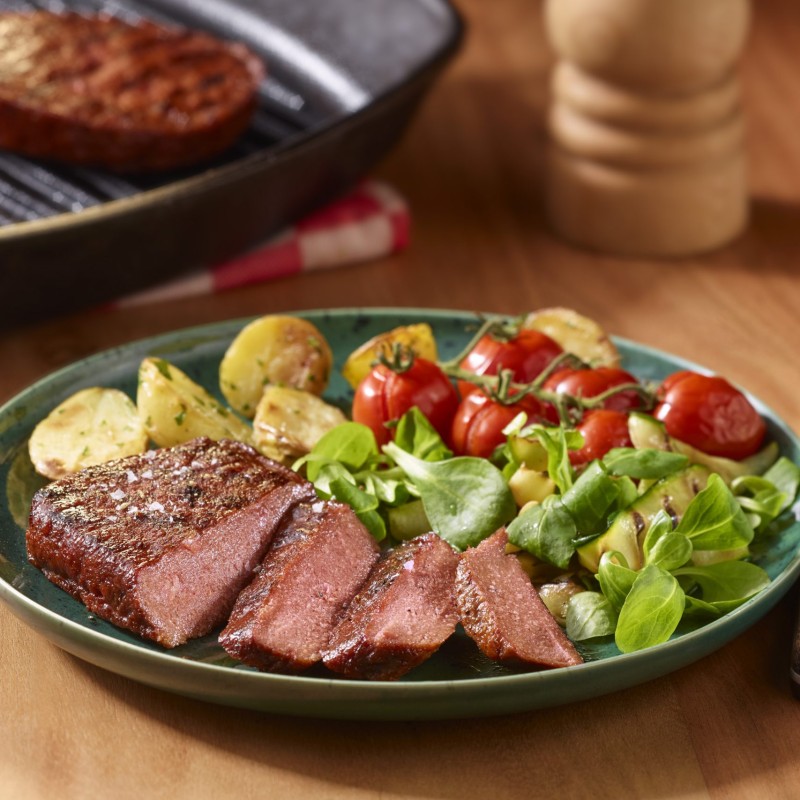
Vivera is a Dutch food brand that is sold in UK groceries, mostly based on sustainable tofu, so packed with protein. All items are affordable and easy to cook.
This is quite an interesting story. The brand began (under a different name) as a meat butcher. But as people requested plant foods, it began to add them to the range. Eventually they were so popular, they decided to give up selling meat, now only sells plant-based foods, and changed their name!
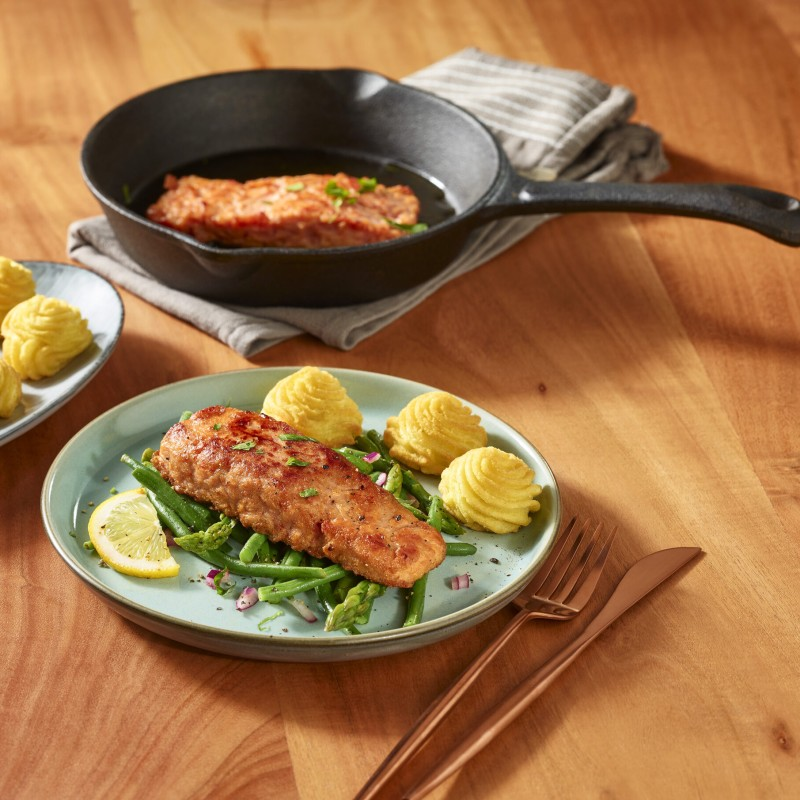
Now sold across Europe, the range includes:
- Plant-based steak, mince and bacon
- Plant-based chicken breast & pieces
- Plant-based kebabs
- Plant-based salmon fillets
- Mini protein-bites
THIS (quality faux vegan meats, no palm oil)
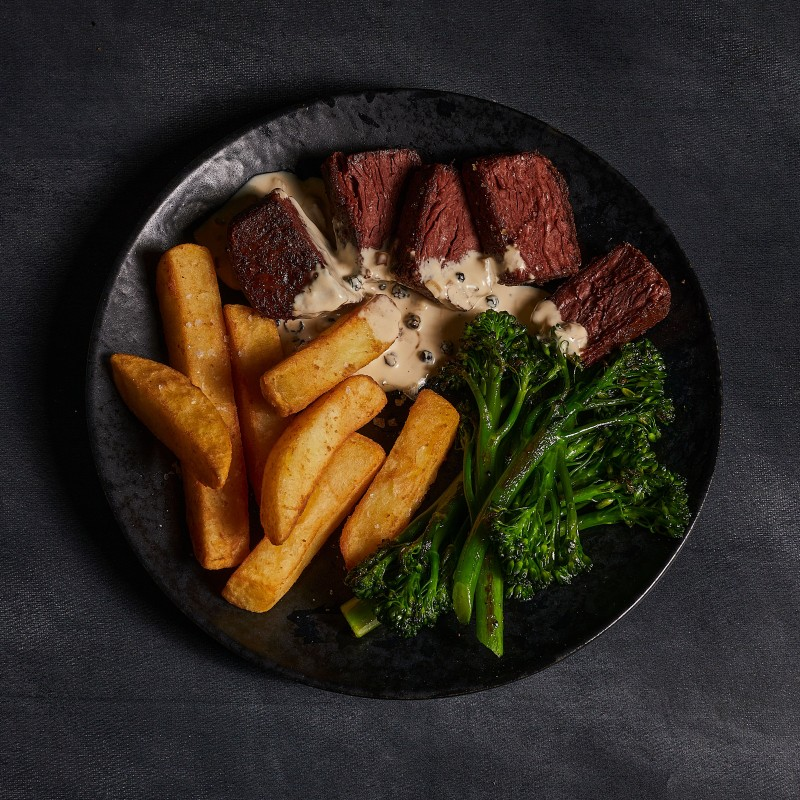
THIS is one of the better brands of vegan meats. These are made with natural ingredients and have no palm oil, and replicate real meat so much, that most people don’t know the difference. Kind to animals and no cholesterol.
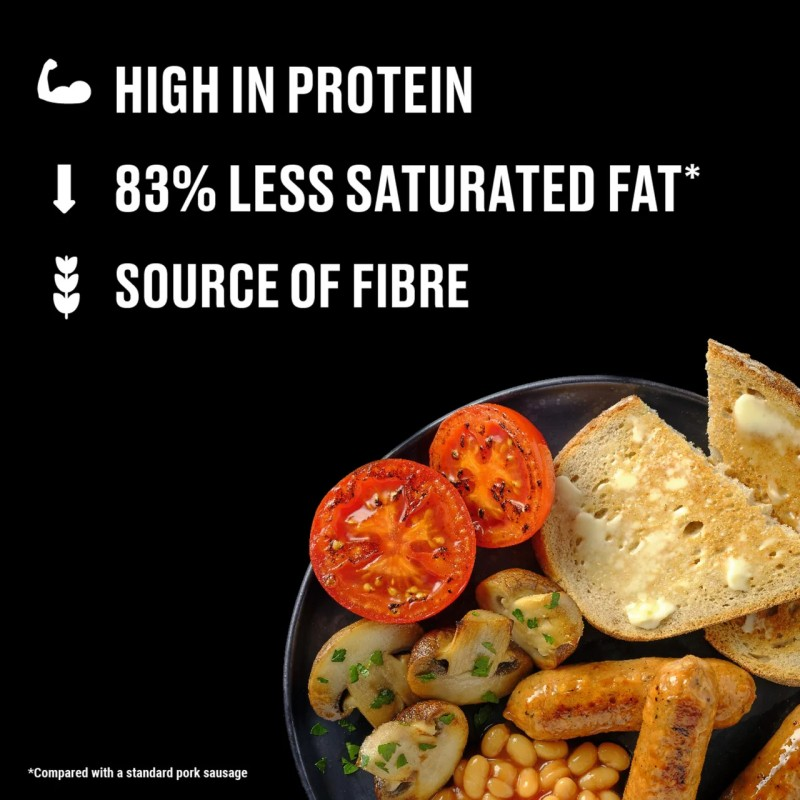
The range includes:
- This isn’t lamb
- This isn’t chicken
- This isn’t beef
- This isn’t pork
It also sells ready-made vegan burgers and ‘luncheon’ slices.
The Herbivorous Butcher (inspiration from abroad)
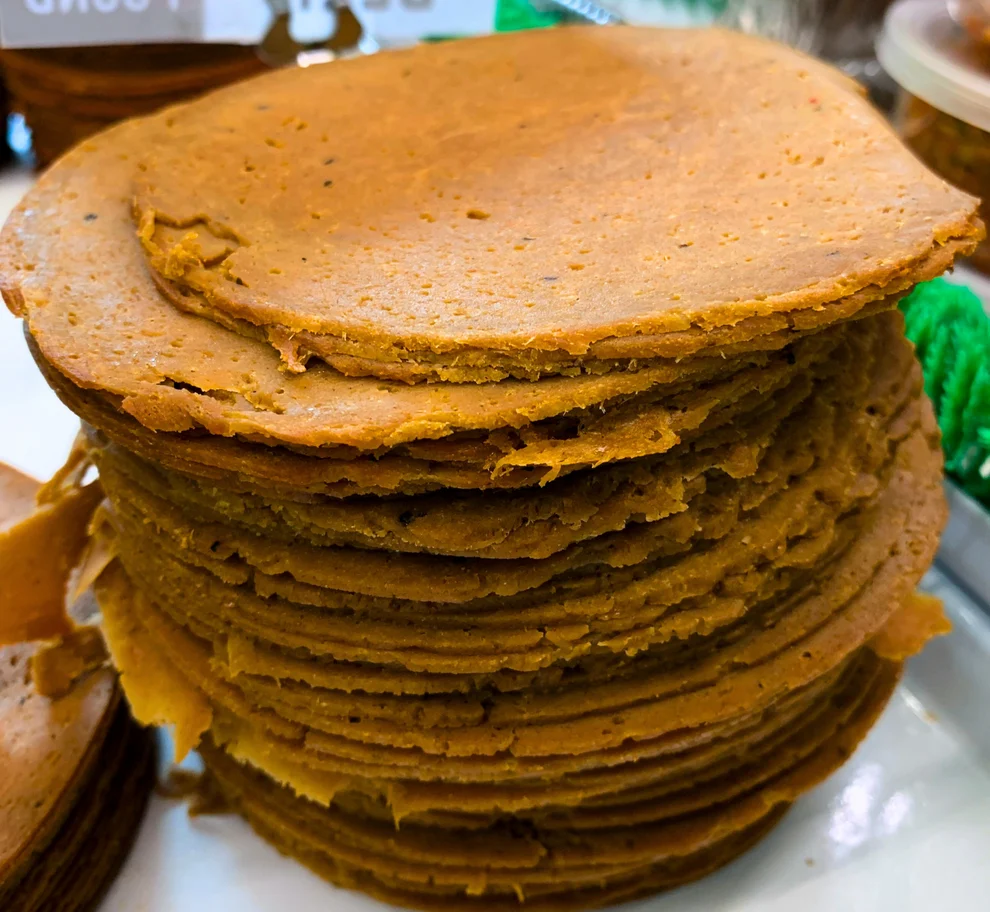
The Herbivorous Butcher is a real inspiration, a US brother and sister food brand that makes all kinds of artisan faux meats, and uses profits to help a local farm sanctuary!
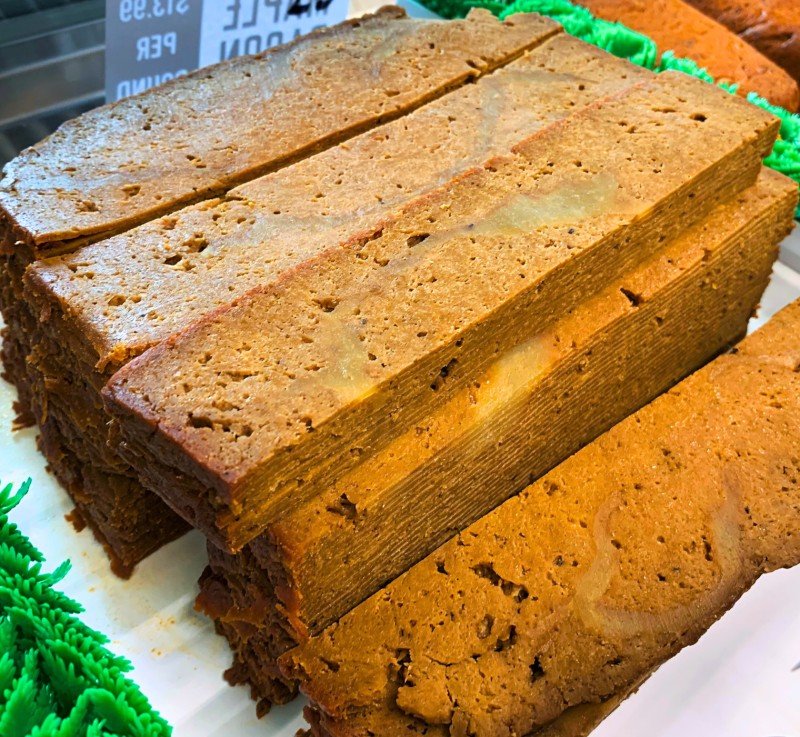
The range includes:
- Hickory and maple-glazed bacon.
- Smoky vegan ribs
- Summer vegan grilled meats
- Artisan vegan cheeses
- Vegan ground ‘beef’ and steaks
- Vegan ham steaks
- Vegan sausages asnd burgers
- VeaVegan ‘fried chicken’
Fake Meat, Real Food (a book of simple recipes)
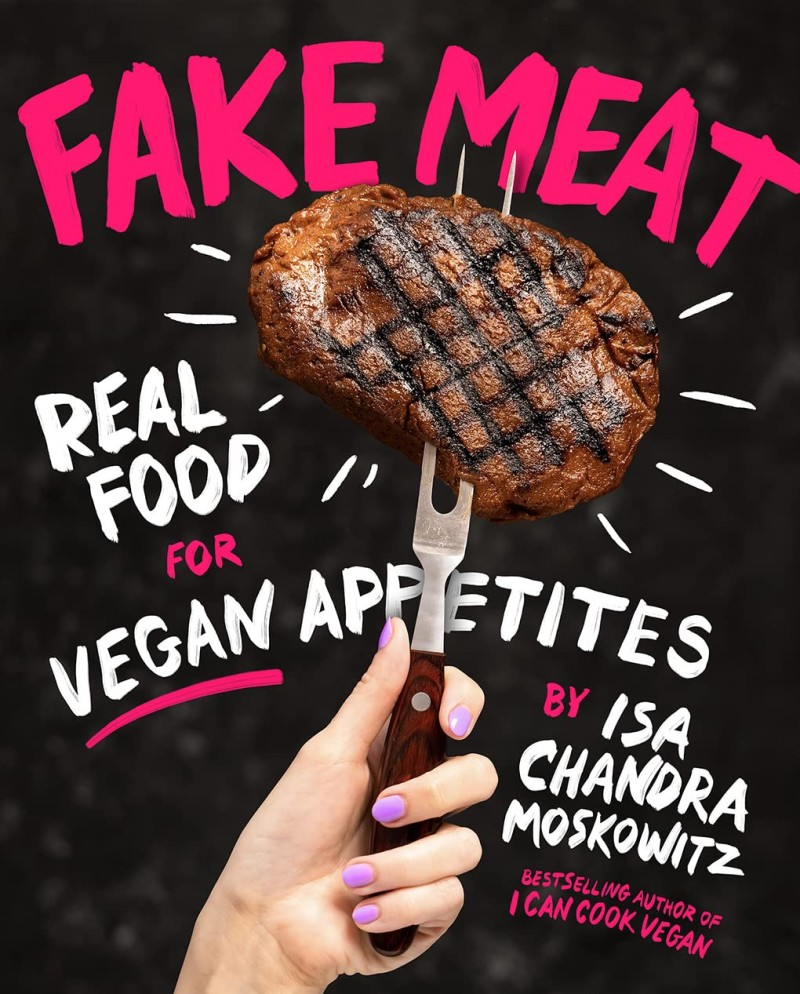
Fake Meat, Real Food offers a book of stunning recipes by the queen of vegan cookery. Learn how to make, prepare and cook faux meats, all packed with taste and protein. From a tasty sandwich to a spin on a hearty chicken dinner, you’ll find many plant-based recipes to choose from.
Recipes include:
- Join the club turki sandwiches
- Pepper jack cheesesteaks
- Classic lentil beet-burgers
- Shredded beef and cabbage salad
- Steak salad with green gorgonzola
- Sausage oatmeal pancakes
Read up on food safety for people and pets. For tinned ingredients, rinse/remove lids (or pop ring-pulls over holes) then step on upper cans to pinch rims together, to stop wildlife getting trapped.
Unless you have food waste bins, just bin pepper and allium scraps (onion, leeks, garlic, shallot, chives), citrus/tomato/rhubarb scraps. To avoid acids harming compost creatures.
Who wrote this book?
Isa Chandra Moskowitz learned to cook while volunteering for Food Not Bombs in a New York park. A TV show for a tiny cable network led to her first cookbook deal. And since then she and her sometimes co-author Terry Hope Romero have sold huge amounts of vegan recipe books worldwide.
Interestingly with all the hoo-ha in British politics over banning of Halal and Kosher meat, Isa is Jewish. Proving that you can still follow your faith and be kind to animals.