Simple food safety tips for people and pets
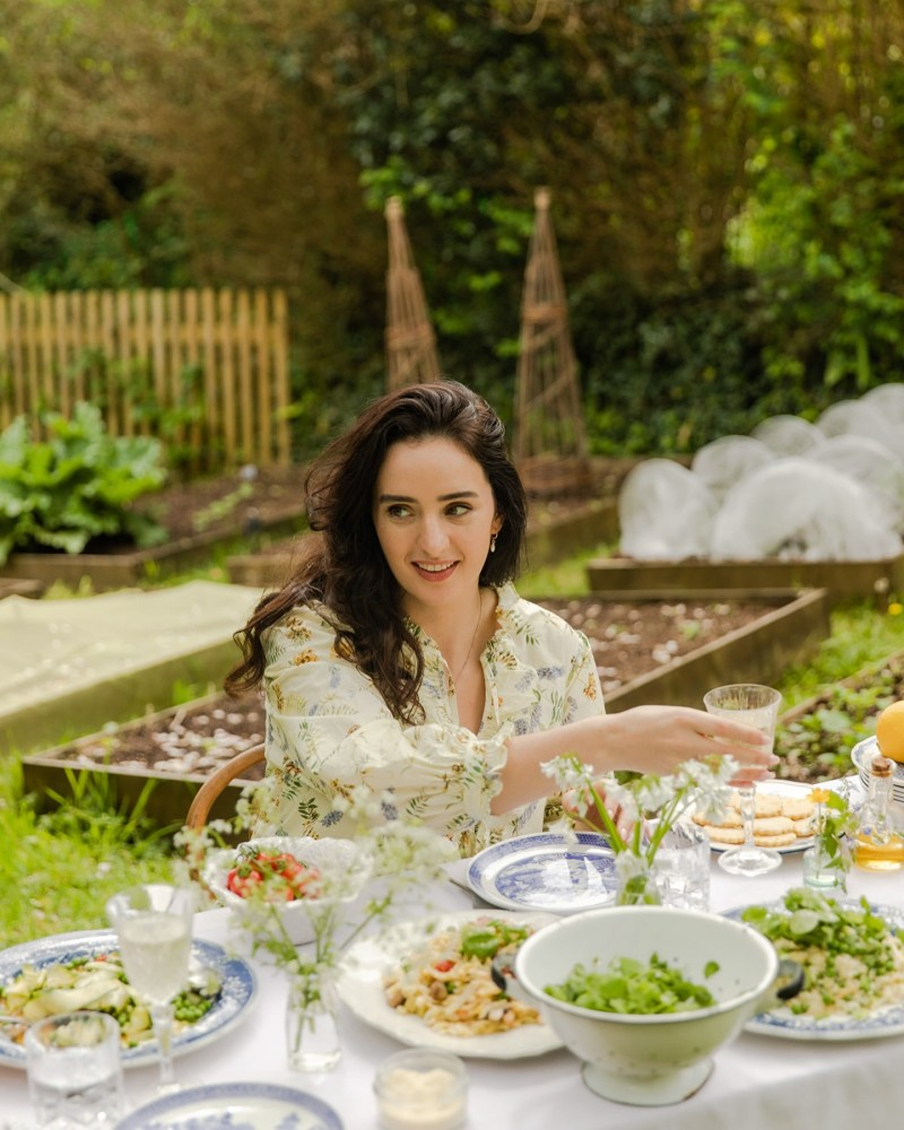
If you like to cook and eat (and everyone does!), here are some simple tips to help keep everyone safe in the kitchen, including four-legged friends.
Turn pot handles inward while cooking, avoid loose sleeves, tie long hair back, keep tea towels away from open flames, and keep children and pets away from kettles and trailing appliance cords, such as slow cookers.
- Use safety gates for children and pets.
- Keep a first aid kit and fire extinguisher nearby.
- Have emergency contact numbers easily accessible.
- Use quality, sharp kitchen knives with secure handles.
- Store knives in a knife block and scissors and graters in drawers.
- Learn safe chopping techniques.
Recycling food tins safely
Before recycling food tins:
- Rinse them thoroughly.
- Remove lids, or push ring-pulls back over the opening.
- Step on cans to pinch the inner rims together, helping prevent wildlife from becoming trapped inside.
Composting food waste
Composting is a great way to reduce waste, but some kitchen scraps are better disposed of in the bin unless you have a dedicated food waste collection that is processed into biogas.
Avoid adding the following to home compost:
- Allium scraps (onions, garlic, leeks, shallots and chives)
- Citrus peels
- Pepper, tomato and rhubarb scraps
- Tea leaves and coffee grounds
These can increase acidity, affecting compost creatures.
Prevent food poisoning
Good food hygiene helps reduce the risk of foodborne illness.
- Wash your hands before and after preparing food.
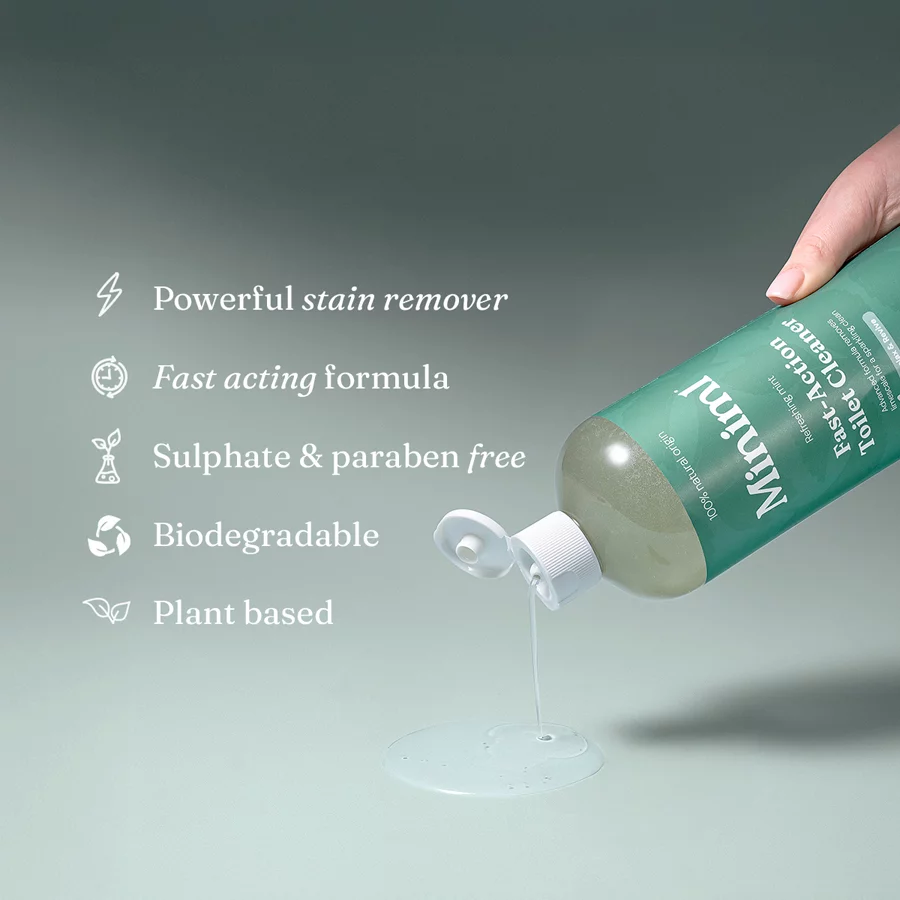
- Clean surfaces with plastic-free sponges and dishwash liquid (unscented for pregnancy, breastfeeding, baby and pet bowls).
- Store food at recommended refrigerator and freezer temperatures.
- Label and date frozen food, storing it for up to three months.
- Thaw frozen foods overnight in the refrigerator.
- Do not reheat food more than once.
- Transfer opened tinned foods into airtight containers.
- Cook only what you need, and avoid eating cooked rice after 24 hours.
- Wash outside of cantaloupe melons before cutting, use a clean knife, and store cut melon separately, due to small risk of salmonella.
- Do not consume foods or drinks past their use-by date.
- Consider completing an online food hygiene course through the Food Standards Agency.
Food allergies and medication
If you or your child has food allergies:
- Carry an allergy card listing allergens, emergency contacts and EpiPen information where appropriate.
- Inform restaurant staff about allergies and explain if you carry an EpiPen and how it should be used.
Some medications also interact with foods. Always read the patient information leaflet, as certain medicines may advise avoiding:
- Grapefruit
- Large amounts of leafy greens (due to vitamin K interactions)
- High-oxalate foods such as rhubarb
- Certain supplements or “superfoods”, including spirulina
Foods to avoid (pregnancy/nursing)
Pregnant and breastfeeding women are advised to wash soil from salads and vegetables thoroughly. A dedicated fruit and vegetable wash may help reduce exposure to bacteria such as listeria, E. coli and salmonella.
Many foods commonly avoided during pregnancy are naturally excluded in a plant-based diet, including raw meat, liver, cold cuts, game meats, raw or partially cooked eggs and raw fish.
Plant-based foods and drinks that are also best avoided include:
- Alcohol
- Excess caffeine
- Some herbal teas (check labels)
- All pâté, including vegan pâté, due to listeria risk
- Liquorice and liquorice root
- Excess ginger
Avoid choking hazards
- Keep small toys off kitchen floors where children and pets could find them.
- Learn basic choking first aid.
- Hospitals and care homes may benefit from guidance on preparing textured foods.
Potential choking hazards include:
- Nuts, seeds and nut or seed butters
- Dry bread, crackers and croutons
- Crumbly foods such as pies and biscuits
- Peas, grapes, cherry tomatoes and cherries
- Carrot sticks
- Vegan sausages (slice lengthways and again for older children)
- Foods with small seeds, such as raspberries
- Boiled sweets
- Sticky foods, including some vegan cheeses, marshmallows and mochi)
- Stringy foods, including beans and rhubarb
- Floppy foods, such as lettuce, cucumber and spinach
- Dry chia seeds (mix with water before serving)
Keep pets safe around food
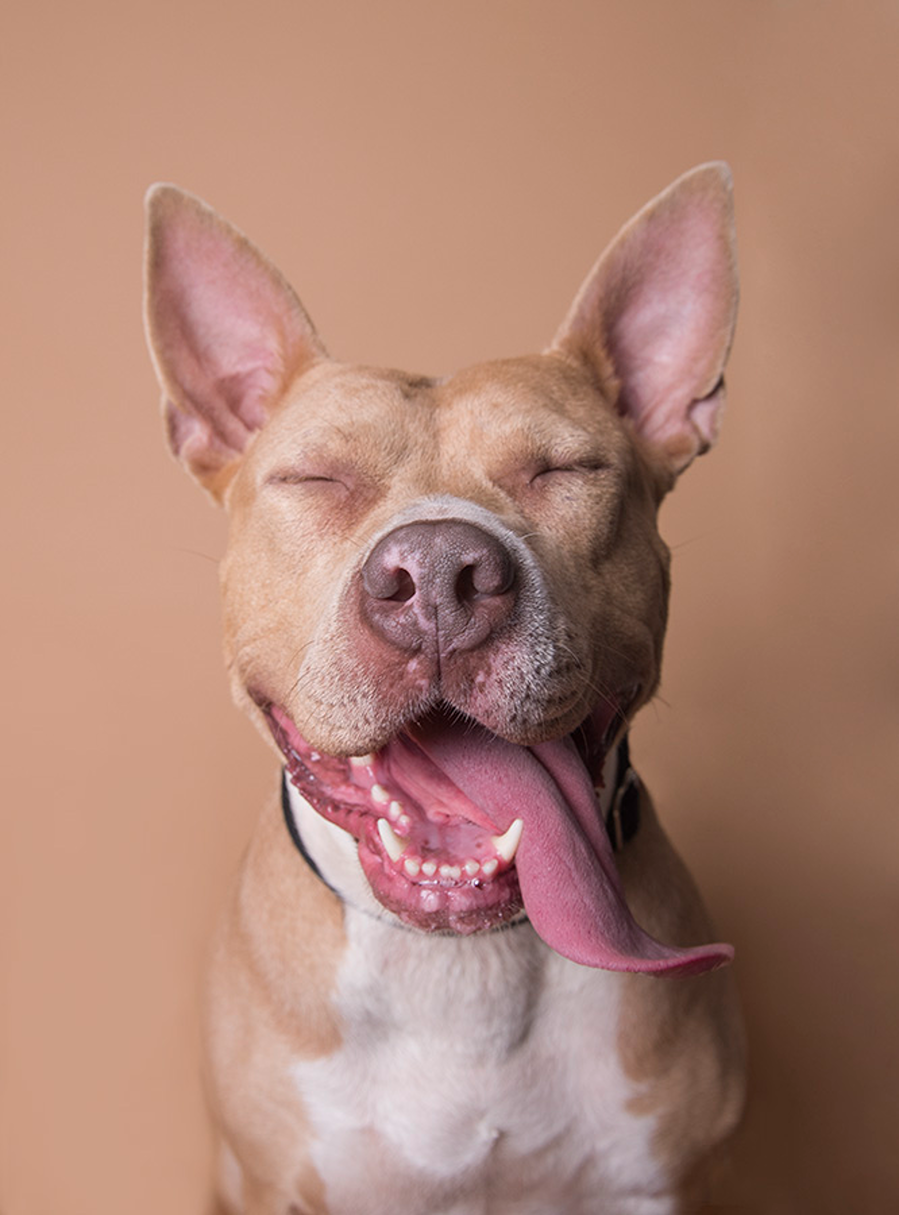
Choose ceramic or stainless steel bowls, washing and rinsing them daily.
Rather than raised feeding bowls, encourage slower eating, particularly for large-chested, older or overweight dogs to avoid bloat. Avoid vigorous exercise, walks or car travel for at least two hours after meals.
If feeding bones:
- Never give cooked bones.
- Speak to your vet about suitable raw bones.
- Freeze raw bones for a couple of days before use.
- Supervise dogs while chewing.
- Remove bones once they become small or begin to splinter.
- Be aware that some dogs may become protective around bones.
- Avoid antler chews, which may damage teeth.
Human foods that are unsafe near pets
Keep the following foods away from pets:
- Cooked bones
- Chocolate (including white chocolate)
- Xylitol (sweetener – also in gum & toothpaste)
- Raw eggs and fish (salmon has fatal parasite)
- Onions, garlic, shallots, leeks and chives
- Citrus fruits
- Dried fruit
- Mushrooms
- Avocado
- Fruit stones and seeds
- Meat alternatives containing onion, garlic or excess salt
- Raw salmon
- Jackfruit
- Raw bread dough
- Corn on the cob
- Spices, especially nutmeg and mace
- Nuts (esp. macadamias) and seeds
Pet safety beyond kitchens
- Keep dogs away from washed-up seaweed at the beach.
- Pet-friendly gardens, avoid toxic plants, mulch and other hazards.
- Avoid facing indoor plants to gardens, to prevent bird strike.
- For Dog’s Sake is a lovely illustrated book of tips which includes info on toxic foods and plants to avoid, with an illustrated first aid guide.
Cooking around domesticated birds
All cookware can release fumes that are dangerous to birds, regardless of the coating used. If you keep birds:
- Never cook near them.
- Avoid ‘red dot pans’ that heat up without oil.
- Ensure excellent ventilation.
- Consider safer cookware alternatives where possible.
Many companion birds benefit from spacious outdoor aviaries where appropriate, allowing them more room to fly and socialise.