From melting ice to hope: protecting endangered polar bears

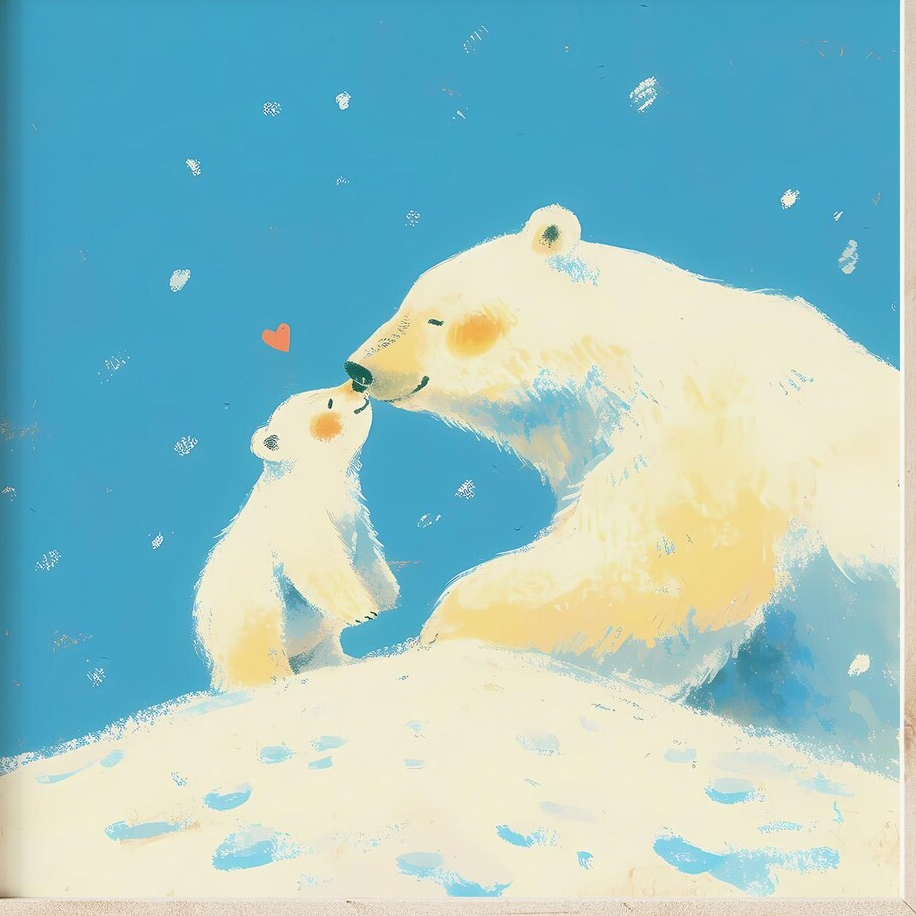
polar bear family

Mint Sprinkle

The Arctic is a world of extraordinary beauty. Vast expanses of sea ice stretch toward the horizon, winter temperatures transform the landscape, and polar bears move across the frozen wilderness in search of food.

For polar bears, sea ice isn’t simply part of the scenery. It is an essential part of their habitat and a platform they rely on for travelling, hunting and accessing food. As the climate warms and Arctic sea ice declines, polar bears face increasing pressure to survive.

The situation can feel overwhelming. Climate change is a global problem, and no single person can solve it alone. Yet there are meaningful ways to help. Supporting conservation organisations, reducing our environmental impact, sharing reliable information and encouraging stronger protection for Arctic ecosystems can all contribute to a more hopeful future.

On asking a scientist from Polar Bears International how big are polar bears? The answer is simply: very big! Or in real terms, they can be up to 800 kilos (around 125 stones).


Why polar bears depend on sea ice

Polar bears are uniquely adapted to life in the Arctic. Their thick fur, layers of body fat and large paws help them cope with extreme cold and navigate their frozen environment.

Sea ice is particularly important because it provides access to areas where polar bears hunt seals, one of their primary sources of food.

When sea ice forms, bears have greater opportunities to hunt. When it melts earlier or forms later, bears can be forced to spend more time on land or travel greater distances to find suitable habitat.

For a species adapted to an ice-dominated ecosystem, changes in the timing, extent and condition of sea ice can have significant consequences.

The relationship between polar bears and sea ice is therefore one of the clearest examples of how changes in the climate can affect wildlife.

If sea ice melts, it’s like your grocery only opening a few months each year. What are you going to eat the rest of the time?

For humans, the Arctic is a harshly inhospitable place. But the conditions there are precisely what polar bears require to survive – and thrive. ‘Harsh’ to us, is ‘home’ for them.

Take away the ice and snow, increase the temperature by even a little, and the realm that makes their lives possible, literally melts away. Sylvia Earle

There are only around 26,000 wild polar bears left, which is very concerning.

As well as melting sea ice, other concerns are human-wildlife conflict, pollution, shipping activity and changes to Arctic ecosystems. Protecting polar bears therefore requires more than focusing on individual animals. Conservation efforts need to address the environmental conditions that allow entire populations to survive.

How climate change affects polar bears

Declining sea ice can affect where bears travel, how long they can hunt and how much energy they need to expend searching for food.

For a large animal with substantial energy requirements, periods of limited access to food can be particularly challenging. Female polar bears can face additional pressures when raising cubs. Mothers need sufficient energy to reproduce and care for their young, while cubs are especially dependent on their mothers during the early stages of life.

As Arctic conditions continue to change, scientists are monitoring polar bear populations to understand how different groups are responding.

The exact effects aren’t identical everywhere. Polar bear populations live across a vast Arctic region, and local conditions differ considerably. This makes continued scientific research and population monitoring essential.

What happens when sea ice disappears?

Imagine being adapted to a landscape that is gradually becoming less reliable. For polar bears, that is increasingly the reality.

When sea ice retreats, bears may have to spend longer periods on land. They can use stored body fat to survive periods when food is less accessible, but prolonged fasting can create serious energetic challenges.

Some bears may travel considerable distances in search of food or suitable habitat. Others may come into closer contact with human communities, potentially increasing the risk of conflict.

Changes in sea ice can also affect the wider Arctic food web. Because polar bears are closely connected to marine ecosystems, changes affecting seals and other Arctic wildlife can ultimately affect them too.

Reduce your carbon footprint

Protecting polar bears ultimately requires action on climate change.

Individuals cannot control global emissions alone, but everyday choices can form part of a broader effort to reduce greenhouse gas emissions. Depending on your circumstances, you might consider:

  • Using public transport, cycling or walking when practical.
  • Reducing unnecessary energy consumption at home.
  • Improving home energy efficiency.
  • Choosing renewable energy where available.
  • Eating more plant-based meals.
  • Buying durable products rather than replacing things unnecessarily.
  • Reducing waste and reusing items where possible.
  • Never visit zoos (polar bears have 1 million times more space in the wild).
  • Use your vote. Choose politicians that say no to drilling for oil and gas.

How conservation organisations help polar bears

family of polar bears

Lucy Pickett

Conservation organisations play an important role in protecting polar bears and their habitat. Researchers can track polar bear populations and study their movements, health and habitat use. This information helps scientists understand changing conditions.

Polar Bears International is the main worldwide organisation helping to save polar bears and their habitats. It works with scientists to offers tools to reduce human conflict, and offers educational materials. You can also watch live webcams of wild polar bears!

EarthJustice (‘because the earth needs a good lawyer’) is a US organisation that is taking President Trump to court, to try to stop his administration drilling for oil in Arctic areas. You can help by signing their petition.

Polar bear cubs taking their first steps


Similar Posts