
Beautiful Norway (powered by water, walkable cities)
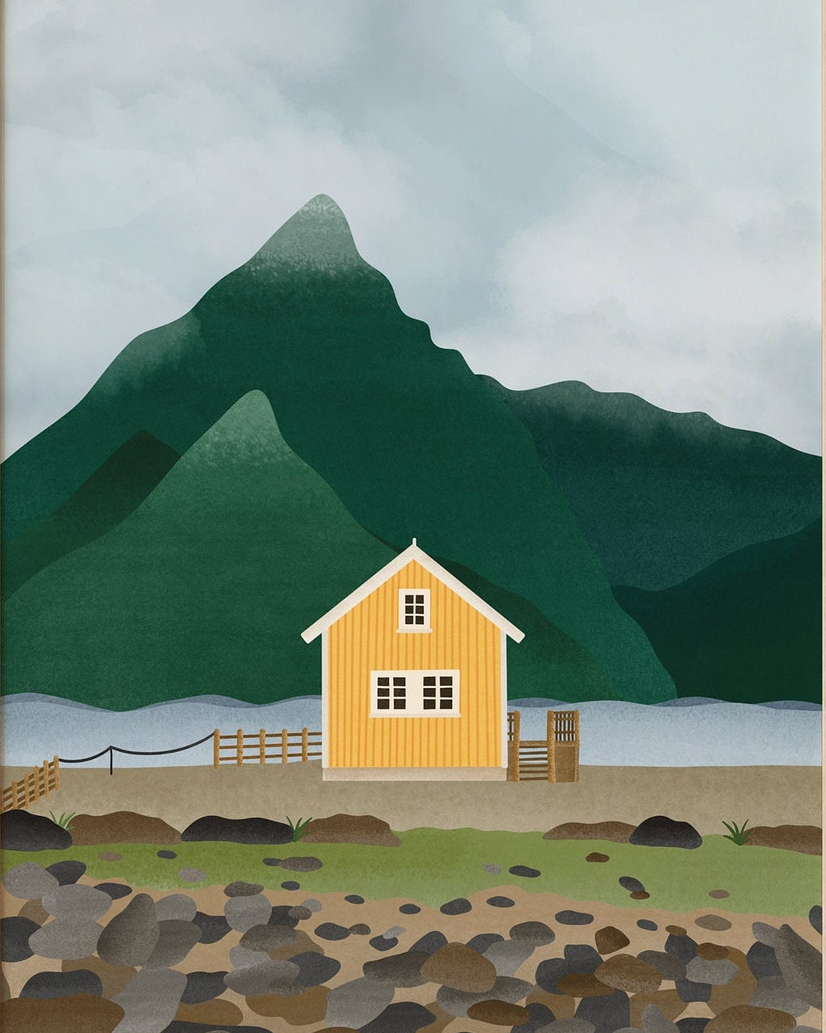
Norway (along with Austria and New Zealand) is often cited as the greenest country on earth. It has huge protected forests and also has no nuclear power, and no intention of ever having it.
A land of dramatic fjords, vast forests, clean cities, electric cars and almost entirely clean energy has helped to create an international image of environmental leadership.
In fact on a list officially, Norway is around the 7th greenest country (top countries include Finland, Luxembourg and Estonia near the Scandinavian border). But it gets many things right. Let’s take a look!
Norway’s remarkably clean electricity
Norway has huge hydro (water) power resources due its rivers, lakes and high levels of rain. It supplies most of Norway’s electricity, making it one of the lowest carbon electricity systems on earth.
England actually can’t run as much on hydrpower, as you need mountains (the power comes from the vertical drops). And aside from the Lake District, we don’t have that many. Whereas Norway has enormous mountains and deep valleys, with rivers rapidly descending into the sea.
That’s why most hydropower in the UK is concentrated in Scotland, and parts of Wales (both countries have mountains higher than Scafell Pike, England’s highest mountain in Cumbria).
You might think that being an island nation, England would be perfect for hydrpower. But it doesn’t work like that. Just like the fact that you can put community solar panels on roofs in England (as long as they are south or east facing and collect daylight, they work, especially if using batteries to store energy for night time use).
Sticking wind turbines everywhere is also not the answer (there are newer bladeless turbines to prevent bird and bat deaths, and studies show that painting the base and one blade black can also help).
But the main way to reduce fossil fuels in England is simply to use less energy. If the government pledged to insulate every older home in England, this could massively reduce energy use (and bills).
Along with creating walkable communities, investing in more public transport and prioritising organic lifestyles (pesticides and synthetic fabrics are made with oil). This is the way forward, not just ‘replacing one energy with another’.
For the energy we need however, it’s important to work what we have. For instance, the Atlantic has strong offshore winds, so using bladeless turbines could be a good idea. Iceland has volcanoes, so uses geothermal. Working with local natural elements produces the best results.
Norway has zero nuclear power
Many MPs these days try to say the answer is nuclear power, which is extremely dangerous, leaks radioactive waste and could create huge accidents like Chernobyl.
As mentioned above, if we focus on lifestyles that use less oil, we don’t need it. Recently, the beautiful isle of Anglesey in North Wales has had a nuclear plant approved, to the display of local people (and puffins).
Many modern countries (Norway, Austria and New Zealand) don’t use any nuclear power at all. In fact, it remains concerned over headwings carrying nuclear waste from Sellafield in Cumbria, which could affect its own public health and wildlife.
Norway town planning (‘put things together’)
This beautiful country has wonderful town planning, focusing on mixed neighbourhoods. Let’s compare this with town planning in England for new states:
In England, a few town development would normally look like this:
- A cluster of new-build houses
- A public park nearby (sometimes you have to drive to it)
- A big retail park for groceries and other shops)
- Car parks (but little public transport)
- Offices in the next town, if you work outside the home
In Norway and other mixed used developments, the idea is this instead:
- A cluster of new eco-friendly homes
- A big park (and perhaps forest) within walking distance
- Small-town shops and offices within walking distance. People can work from home and have lunch from a local sandwich shop. Or walk to the office in town, then walk back home for lunch.
- There are good public transport links out of town.
- People have less cars, as they don’t need them as much.
- Communities are safer and friendlier, with more income retained within the area.
Connected walking networks
Norway also has ‘connected walking networks’, which means that in many cases, you can walk from one two to the next. Try doing that here in England, and often you’ll find yourself walking on a vergeway by traffic, when the pavement disappears.
This also makes for healthier people. If you live in a town surrounded by five villages (all a few miles away) and you can walk to them all along pleasant paths, that means millions of people are walking several miles a week, which helps for healthy hearts and reduced obesity and diabetes.
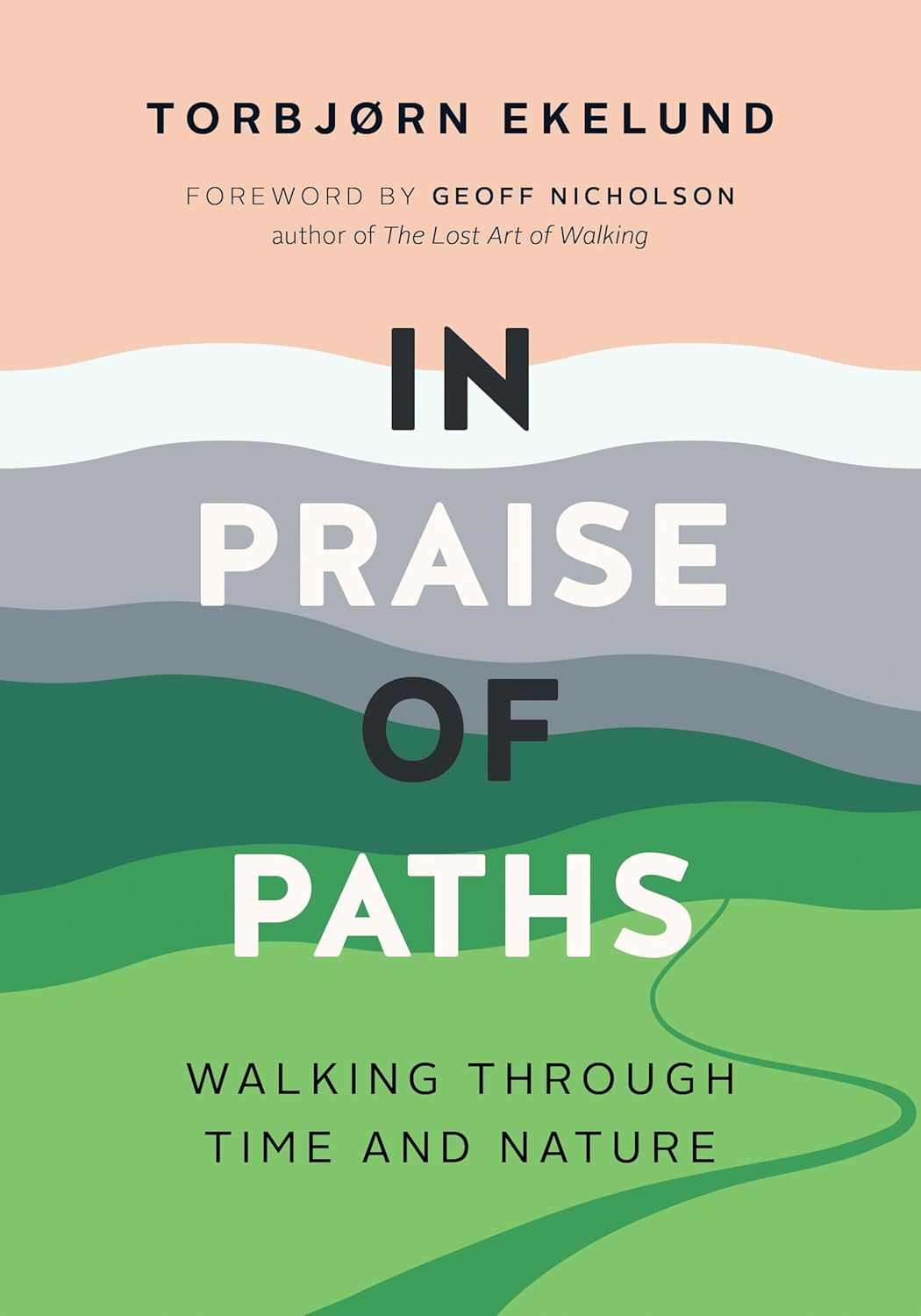
Read In Praise of Paths. This super book is by Norwegian writer Torbjørn Ekelund. After he was diagnosed with epilepsy, he had to give up his car.
At first this was a shock. But he decided to use the opportunity to make use of the walking opportunities just outside his home city of Oslo, and now enjoys walking everywhere!
Norway protects its nature and wildlife

Like Sweden and Finland, Norway is a land of forests and lots of Nordic creatures who adore the mountains, forests, lakes, wetlands, glaciers and coastal areas. Norway has around 3000 conservation areas and strong environmental safeguards to protect ecosystems and endangered species.
Like Sweden, moose are everywhere in Norway, an important reason to make roads safer for wildlife. Like deer in England, it’s important to steer clear of them during rutting season, as antlers can be dangerous.
Elks are North American and different animals, though they look like moose. And confusingly a moose in Norwegian is called an elg, although it’s not an elk, but a moose!