How to launch a stylish independent online store
During the pandemic, many small indie shops and boutiques realised that there was a real merit in adding an online store to their website, in order to provide goods and services, and earn income at the same time.
Of course we live in a sea of big supermarkets and chain stores these days. And small independent shops can’t really compete on price. But you can add an online store for extra income, and offer incentives like loyalty and local discounts, or reward points (or even affiliate schemes for others to recommend you, receiving a portion of each sale via a special link code).
Ensure items sold (and information) is safe
Always do your homework on safety first. For example:
- For plants, read up on pet-friendly gardens (includes tips on safe collars). If displaying plants in your real shop, learn how to stop bird strike.
- Avoid selling wildlife items unless an expert. Most netting has holes way too large and bird houses (plain untreated wood, never bright colours or tin) need expert tips by species for siting and maintenance).
- Don’t sell essential oils to pregnant/nursing women or babies/pets.
- Never sell secondhand baby mattresses or car seats (read up on safety info for baby/children’s clothing and bedding).
- Don’t sell pet-lethal xylitol dental care (or gum) lethal to pets if littered.
- Read up on food safety for people and pets.
- Recommend a microfiber filter for synthetic clothing.
It’s better to simply carefully go through everything you sell. And then carefully curate the items you are going to sell, and give detailed information on each. Go for quality over quantity, so the items in your online shop are trusted.
Of course, many people also use online shops to sell their services – whether that’s art to psychotherapy, business services to legal help.
Benefits of adding an online store
Adding an an online store helps people who perhaps don’t have good public to buy your goods or services. And of course you can then go nationwide with whatever you are offering.
Although you can of course sell via online marketplaces, obviously they take a fair share of profit. So although it’s a bit of work to set up (but likely less so than the big stores that all require a lot of complicated ID checks to avoid money laundering and fraud), you keep most of the profits.
Another advantage of running your own online store is to be empowered. Gone are the days when people would get others to set up their shop using expensive software. Then anytime you needed to make a change, you had to pay someone to do that for you.
Using a free (or optional paid) plugin for WordPress sites or a standalone Shopify store, you can run a lovely store. And on this post, we’ll also show you wear to find pretty affordable themes, to make it look lovely as well! Use with green hosting.
Build your online storefront
Whether you have your own website or not, you’ll need some kind of software. It will require a learning curve, but once known, you can offer everything from sale products to listing newest items to listing by price. You’ll also need some kind of payment system (likely either Paypal or Stripe).
Don’t overdesign your shop. Keep things simple, to avoid overwhelm. Although websites don’t have to physically list addresses as a rule, this sometimes changes if you are taking money direct, so check your contract.
What to include on your product pages
After an introductory paragraph, ensure your product description is all on one page (people don’t like having to click different buttons to find out where it was made, what the ingredients are etc). Include:
- The product title, description and price
- One or two quality photographs
- Options (sizes, colours etc)
- Key specifications
- Availability and shipping
- Returns and refunds
- Reviews if wished
- An ‘add to cart’ button
- Any tax/custom info for overseas orders
Ensure items are sent in sustainable packaging
No online shopper these days wants a bulk load of plastic. Read our post on greener postal services to learn of plastic-free packing tape and zero waste packaging including for fragile items.
Focus on your brand, not your website
Don’t make the website be the star, let the products you make or sell be so instead. If you already own a physical shop, this online store should be a simple extension of your business, and follow the same ethos and brand.
If you sell digital services, SendOwl is a simpler alternative.
WooCommerce
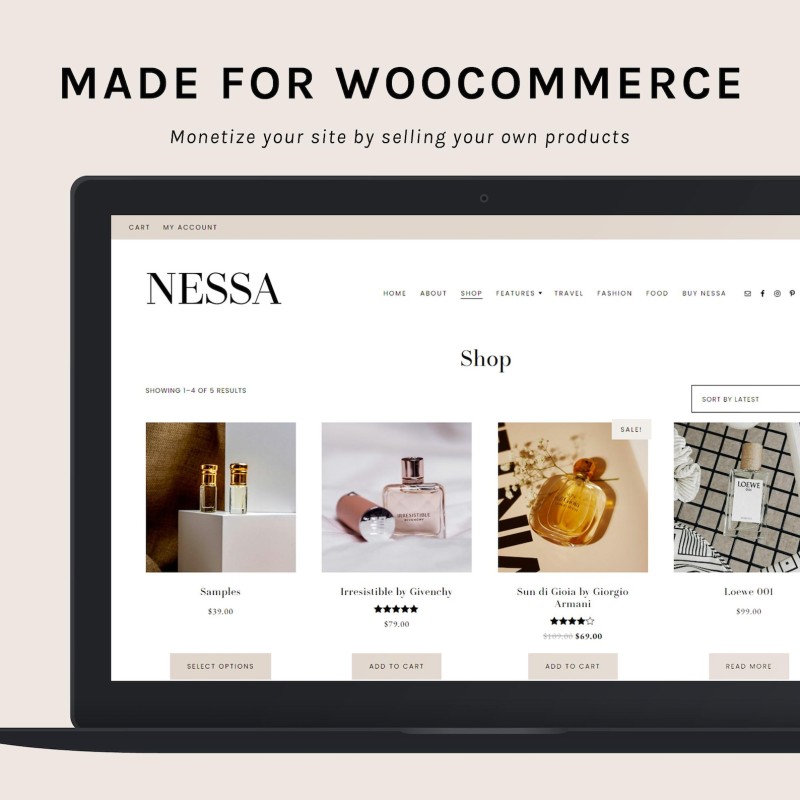
WooCommerce is a free ecommerce platform which you add as a plugin to your existing WordPress website.
You have to ensure that the theme you choose is WooCommerce compatible. Code + Coconut makes lovely affordable Genesis themes that fit the bill.
Shopify
Shopify is a hosted eCommerce platform, so you don’t have to worry about a WordPress site. Just add a theme and products, configure payments and shipping, and you’re good to go.
Choose a stylish Shopify theme
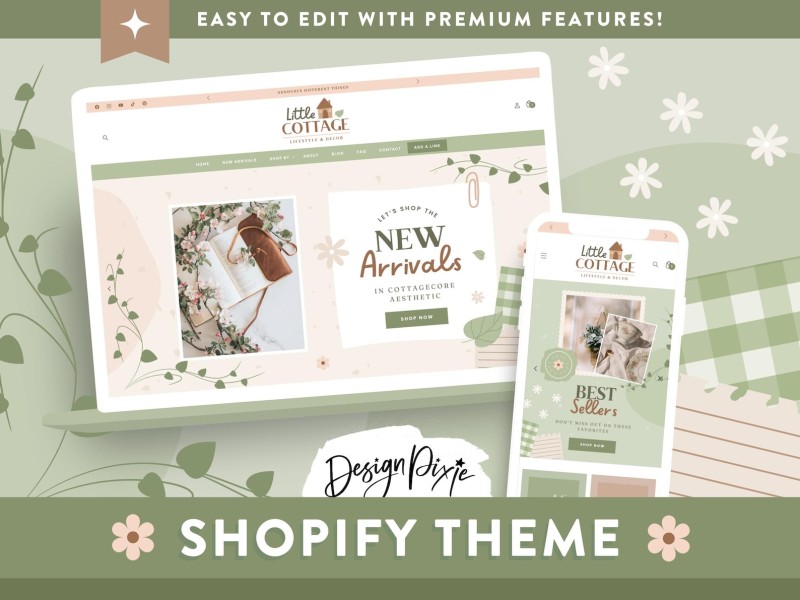
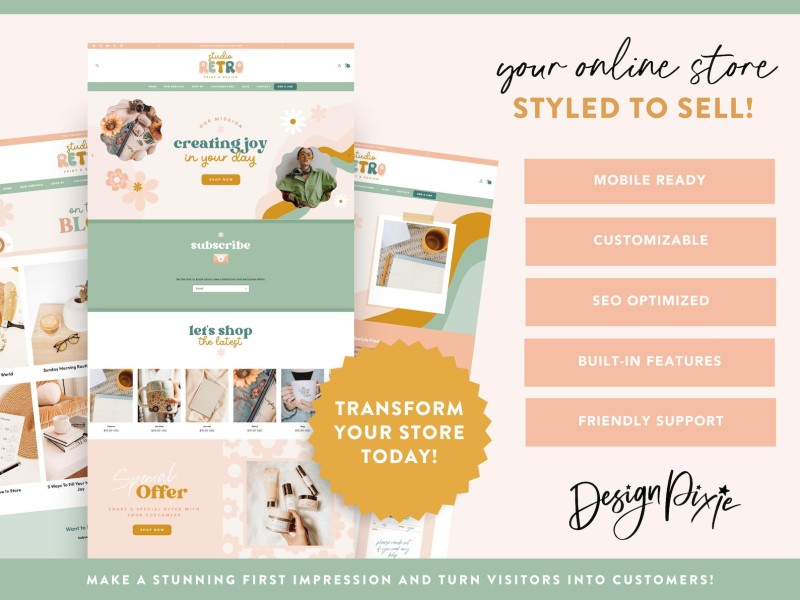
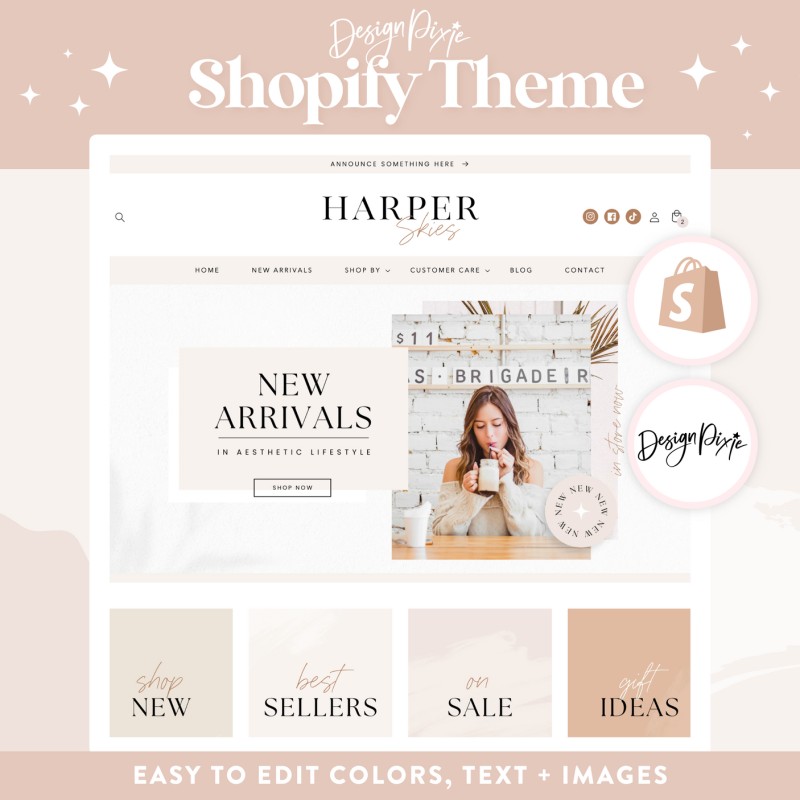
Design Pixie offers lovely Shopify themes, just choose your favourite and off you go. All these themes have clean navigation and strong typography, are fast to load and sure to inspire.
If you really fall in love with a theme, you can buy matching graphics like logos, thank-you cards and email marketing and social media templates.

If you’re not very techy, for around £30, the designer will set up your site to look like the demo. So you can just get busy loading your zero waste goodies to sell at your new online shop!