What Sweden can teach us about protecting forests
Forests are often described as the ‘lungs of the planet’ as they give out oxygen and take in carbon dioxide to help reduce climate change and provide clean air. They also regulate water (so help prevent floods), protect soil, support wildlife and provide places for people (and dogs!) to walk.
Yet forests worldwide are facing pressure from agriculture, wildfires, climate change, growing demand for timber and even illegal logging.
In England, the Cameron government tried to sell off our remaining public forests to private companies, saying they would be in better hands. It was only due to a massive campaign at 38 Degrees that the decision was reversed – the government later admitted it had been a mistake.
In Sweden however, nothing would ever been suggested like this. Forests cover a huge part of the country and there are strict environmental regulations alongside voluntary conservation and public access.
A country where forests matter
Sweden is one of Europe’s most forested countries. Although in the past trees were felled to provide paper for everything from books to timber, today they are more protected.
We can protect Boreal forests by purchasing recycled paper bathroom tissue, to save trees being chopped down in areas that are home to moose, elk and grizzly bears.
Sweden has three times more National Parks
Sweden has 31 national parks, compared to 10 in England (if you include the Norfolk and Suffolk Broads, which are not really National parks).
There are also over 5400 nature reserves, established to protect biodiversity and natural environments for habitat restoration and protecting wildlife. Many contain rare species, old trees and wetlands.
Sweden has voluntary set-aside forests
Although some forests are still used for timber (IKEA?), there are also around 1.4 million hectares of forest that are voluntarily set aside. Basically left alone, to let nature thrive.
Private landowners often leave parts of their land untouched (this also happens in England these days, with many organic vineyards etc leaving areas of hedgerows untouched, to let wildlife live in peace).
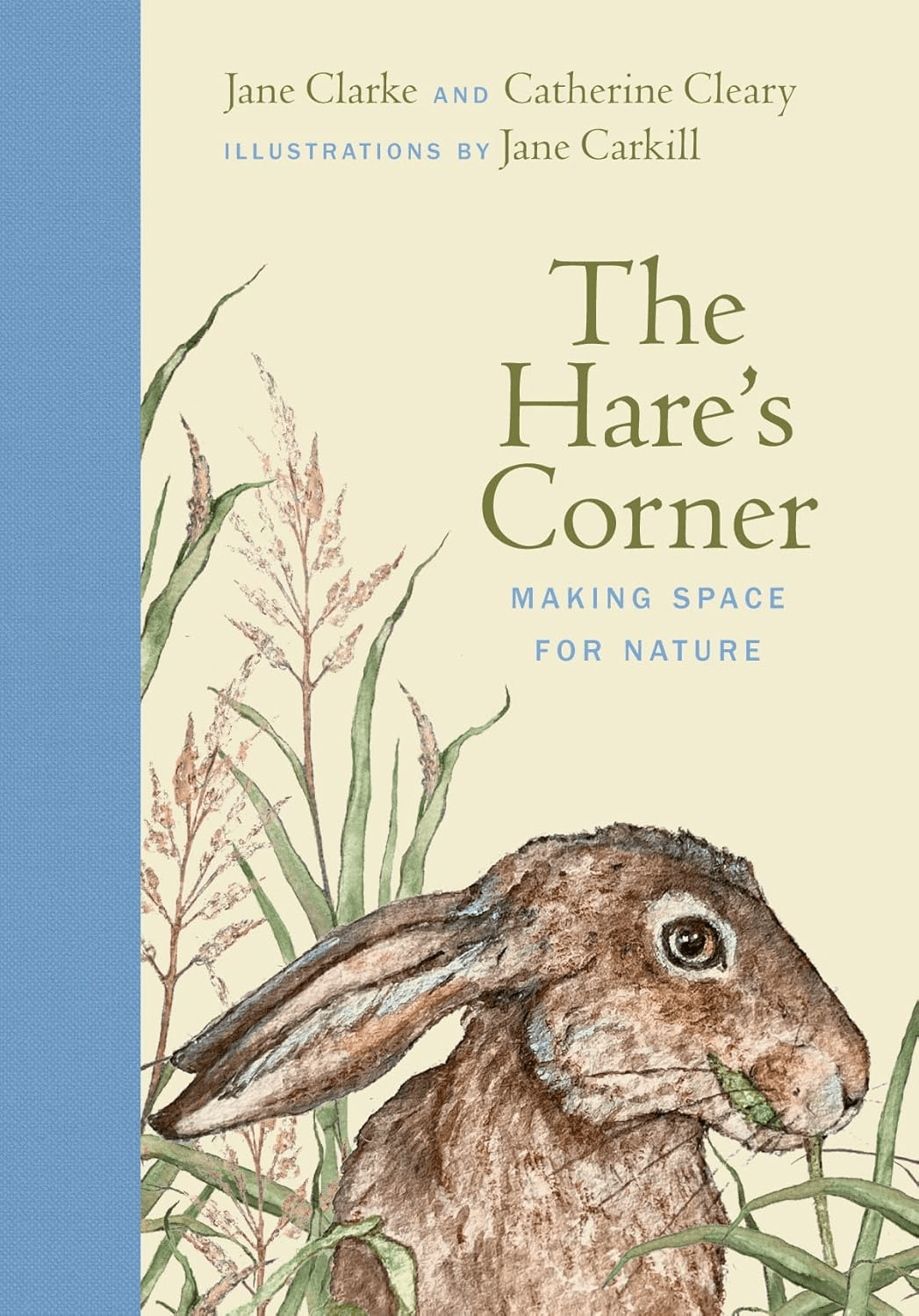
Farmers also do this, as part of nature-friendly farming practices. The so-called ‘Hare’s Corner‘ where areas are left uncut to help wildlife escape.
Thinking beyond trees
Recently, McDonald’s had a planning application refused (it’s happening more and more as councils finally grow backbones). The reason this time was not concern over child health, but because the fast food chain wanted to chop down six old protected trees.
Despite the denial, it is going back with a new plan, saying they still ‘need to chop down the six old trees’ but will plant 20 new ones nearby instead.
This is the problem when companies show no knowledge of nature. A tree is not just a tree. It’s a living organism that when old is helping to stablise the ground, prevent floods and provide homes to fungi, insects, mammals and plants.
It stores carbon and even dead wood has uses for wildlife. 20 new trees would take years (decades) to do this.
Sweden knows the value of its old trees, which is why it has such strong environmental protection laws. McDonald’s would never dream of approaching a Swedish council to chop down its trees, as it would be told where to go.
The question is not always ‘How many trees do we have?’ but ‘What kind of trees do we have?’
Watch this lovely tour of Sweden by a German couple who travel the world. It’s a wonderful way to while away an hour, you’ll feel like you’ve been on holiday with them! Lots of old trees to see!
Sweden is a pretty green country all-round
- With double Norway’s population, it’s still a peaceful place where people swim in one of the 95,000 crystal clear lakes.
- The third city of Malmö stores rainwater in underground aquifers that provides geothermal heat in winter, and cool air in summer. And yet despite using three times more energy than us, it produces less emissions.
- Councils uses electric cargo bikes for deliveries and the Stockholm underground runs on green energy (as have all public buses for years).
Meet a Swedish moose!
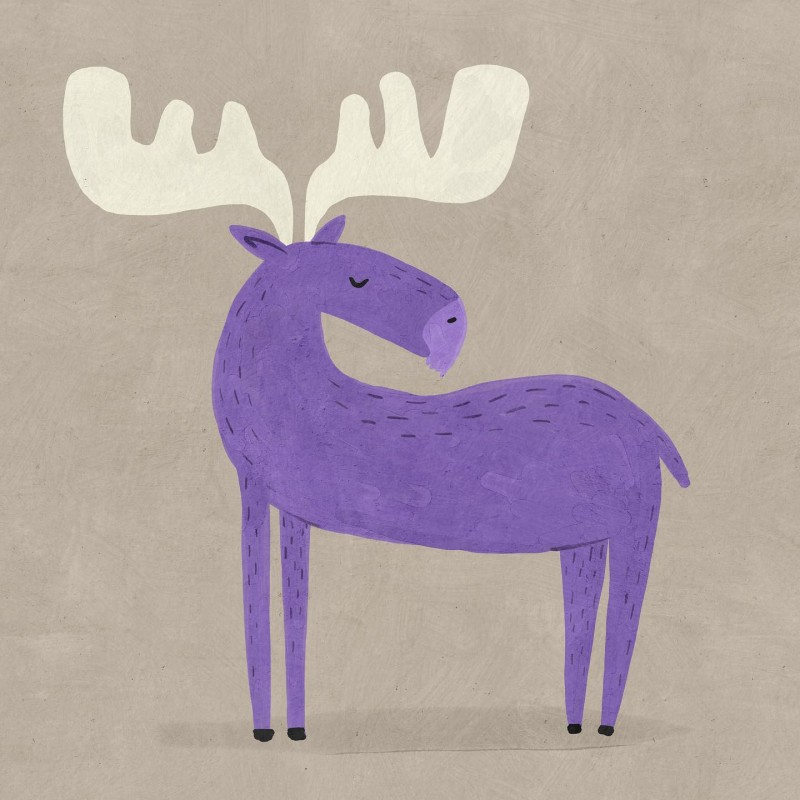
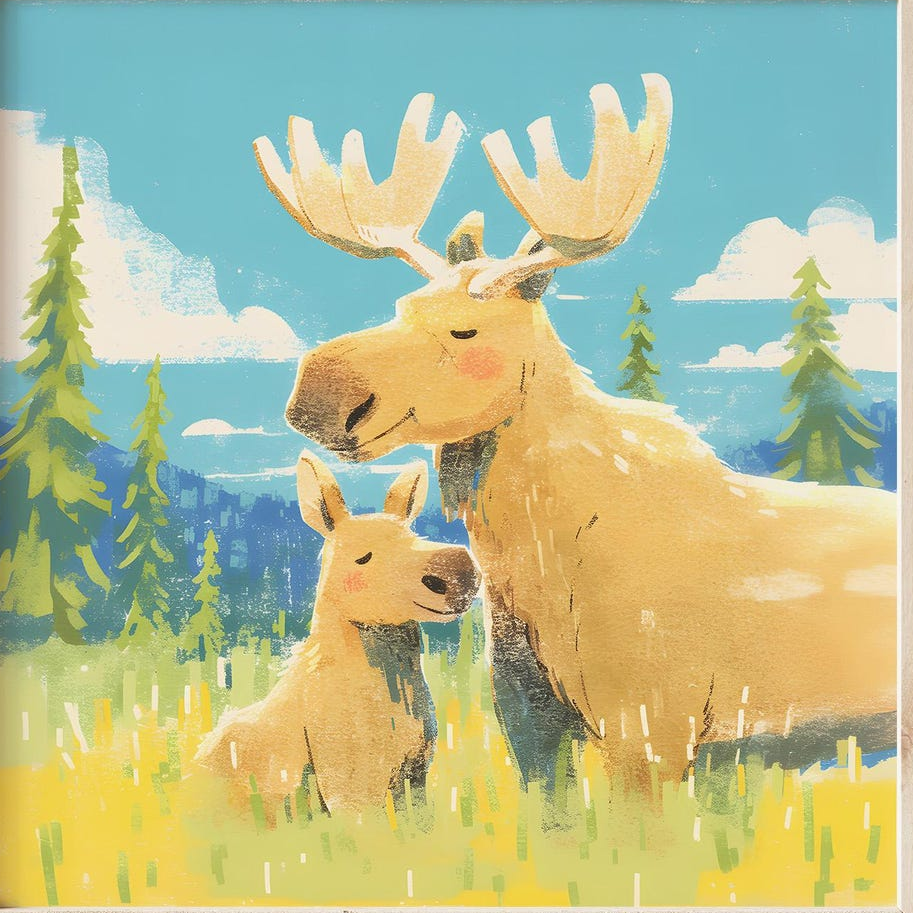
Of course (along with ABBA), Sweden is mostly known for its moose population. These large mammals (related to deer) are very common (up to 400,000) in a country that like us, tries to make roads safer for wildlife due to so many free-roaming animal friends.
Male moose can reach 2 metres tall with enormous antlers. All moose feed on leaves, twigs, bark and qauatic vegetation (they are very good swimmers). Their long legs also help them to travel through wetlands and deep snow with ease (they can also run like the wind).