Vegan stews and hotpots: hearty recipes for winter
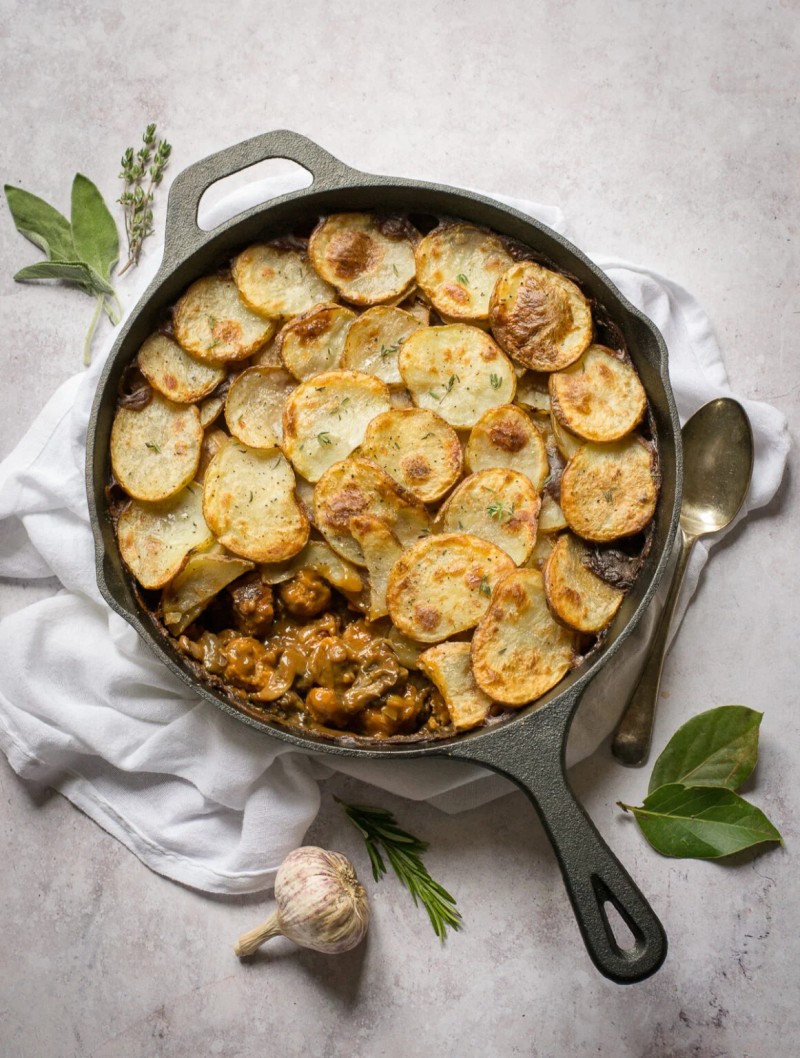
Vegan hotpot (The Veg Space)
There are few things more comforting in England, than a big pof something warm and delicious, bubbling away on the stove.
Stews and hotpots are the ultimate comfort food. They are hearty, warming and filling and have a habit of making the whole kitchen smell inviting. And if made with plant-based ingredients are also kind and wonderfully nutritious, lentils are full of protein and calcium!
So grab your biggest saucepan, casserole dish or slow cooker, because we’re celebrating the wonderful world of vegan stews and hotpots.
- Before cooking, read up on food safety for people and pets.
- Before recycling cans, rinse then remove lids (pop ring-pulls over holes). Then step on upper cans to ‘pinch’ inner rims together, to avoid wildlife getting trapped.
- Unless you have a food waste bin, bin pepper and allium scraps (onion, leeks, garlic, shallots, chives) and citrus/tomato/rhubarb scraps, as acids could harm compost creatures.
Why stews are wonderful vegan food
Unlike some recipes where replacing one ingredient can completely change the dish, a stew gives you plenty of freedom. You can add whatever veggies you wish, swap lentils for beans, change the herbs, add more spices or make the dish richer with plant-based cream. It’s a great no-waste dish.
A couple of carrots sitting in the fridge? Add them. An extra potato? Into the pot. Mushrooms need using up? Perfect. A lonely tin of beans in the cupboard – it belongs in a stew.
The foundations of a great vegan stew

This plant-based hotpot is good enough to serve up in any pub! There’s quite a lot of ingredients, but all affordable and easy to find. And once mastered you’ll make this again and again, so the rest of the bought ingredients wont go to waste.
Earhty lentils and mushrooms are cooked in a rosemary-thyme tomato base, then cooked after being topped with overlapping potato spices. Based on a traditional Lancashire hotpot, ready in 90 minutes.
Although there are countless ways to make a stew, most good recipes rely on a few basic components.
Vegetables
Start with a mixture of vegetables. Onions, carrots and celery make an excellent base. Garlic adds extra flavour, while potatoes can provide substance.
From there, you can add mushrooms, leeks, parsnips, sweet potatoes, peppers, courgettes or whatever else you have available. Don’t be afraid to use seasonal vegetables. They are tastier and cheaper.
Beans and lentils
Beans and lentils are fantastic ingredients for vegan stews. They provide protein, fibre and plenty of texture.
Chickpeas work beautifully in tomato-based stews, while green or brown lentils are perfect for traditional-style dishes. Butter beans can make a creamy stew, while kidney beans and black beans work wonderfully in spicy recipes.
Veggie stock

A good vegetable stock provides the liquid foundation. Most stock cubes use palm oil, so make your own. It’s easy and again a great way to use up leftover veggies.
The important thing is to ensure it has plenty of flavour, as it forms the background of the entire dish.
Herbs and spices
Herbs can completely transform a stew. Rosemary and thyme are perfect for traditional British-style recipes. Parsley adds freshness. Bay leaves (remove before eating)provide a subtle depth.
Smoked paprika can create a wonderfully rich flavour, while cumin and coriander can take a stew in a completely different direction.
A few simple vegan stew recipes
Here are a few recipes to start you off. Unlike baking, these are not an exact science, so feel free to sub!
Vegan lentil stew
Cook onions, carrots and celery, then add garlic, lentils, vegetable stock and herbs. Add potatoes and tinned chopped tomatoes, and a little paprika spice.
Let everything simmer until lentils are tender and veggies are soft. Longer cooking develops more flavours. Serve with crusty bread.
If you make a large pot, keep leftovers covered in the fridge and eat the next day.
Vegan mushroom and ale stew
Cook a mix of mushrooms (chestnut, portobello) with onions and garlics, then add carrots, herbs and vegan ale (many brands these days offer vegan stout).
Thicken the sauce if wished with a little flour, then serve on creamy vegan mashed potatoes or with crusty bread.
The classic vegan hotpot
Make your filling as normal with lentils, mushrooms, carrots and onions. ADd a little tomato puree and splash of vegan Worcestershire sauce.
Then bake in an ovenproof dish, covered with thinly sliced potatoes. Brush with a little oil or vegan butter (Flora has no palm oil) and bake until golden brown. Serve with steamed greens or peas.
Vegan sausage hotpot
Brown your plant-based vegan sausages (try Moving Mountains – unlike Richmond, this is a vegan company) and then add onions, carrots and potatoes with vegan gravy.
Add some veggie stock, herbs and a little mustard to create a deep savoury sauce. Again place it all in a casserole dish and top with sliced potatoes. And bake until bubbling.
Vegan Irish stew
Cook potatoes, carrots, onions, mushrooms and peas in a rich veggie gravy. Add some lentils or plant-based meat alternative. Season with rosemary, thyme and bay leaves. Serve with fresh bread or mashed potatoes.
How to make stews more flavourful
A common concern with vegan stews is that they might lack the depth of flavour associated with traditional meat-based versions. The secret is building flavour in layers.
Don’t simply put everything into a saucepan and boil it.
- Start by cooking the onions slowly until softened.
- Add garlic and spices and allow them to cook briefly.
- Brown mushrooms or plant-based meat before adding liquid.
- Use tomato purée for richness.
- Add herbs.
- Use a good vegetable stock.
- And don’t forget seasoning.
- Salt brings flavours together.
Recipe break: hearty veggie stew