Silent Protest: Why Halting Consumerism Worries Most MPs
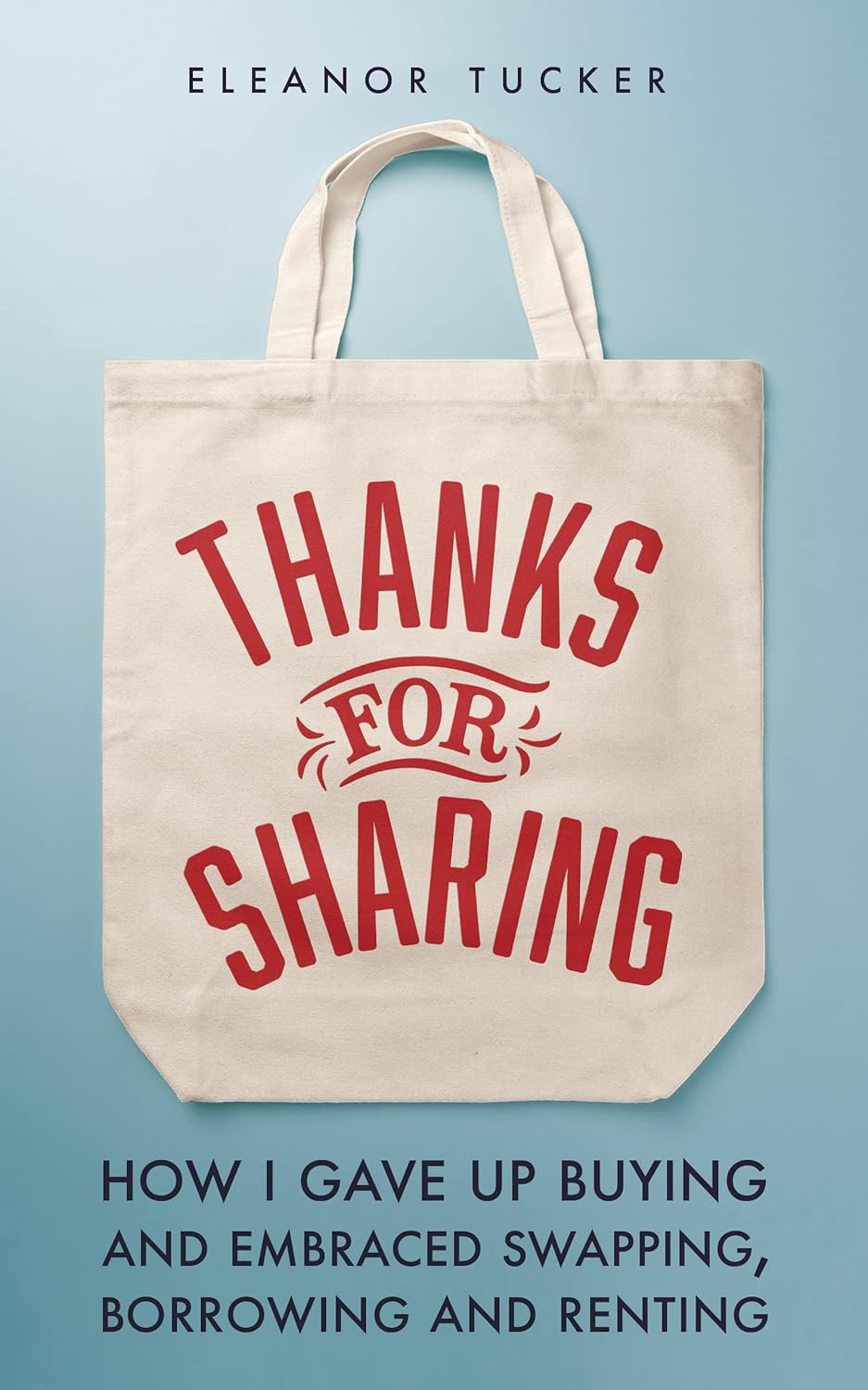
Want to really send a strong message to government that we want change? Try only buying what you need (with the odd zero waste gift). And then making the rest of your life about ‘not buying things’. This is the most powerful way to disrupt corporate lobbying, and compel your MPs to put community needs over GDP growth.
Aside from some minor fringe parties (and even Greens seem more obsessed over building wind turbines than using money to create walkable communities with green parks and farmers’ markets so we’d need less energy), all political parties are obessed with ‘economic growth’.
In a nutshell, this means GDP (or gross domestic product). Politics sees ‘success’ as ‘buying products’. So knocking down boreal forests to make toilet paper, building prisons and hospitals (even if that means more crime and sickness) and buying absolute crap to pollute the earth is all seen as ‘good’, as it creates more GDP.
Look at what happened after the pandemic. MPs went into overdrive to tell us to go out and ‘spend, spend, spend’. It’s like everything in life revolves around shopping. Of course it’s good to support an indie baker and veg box scheme. But life is not about shopping – it’s about life!
But because MPs are so lazy in not seeing there are other alternatives (like the Happiness Index), they just want us to shop until we drop. Nigel Farage says that people should not work from home, as there are better results for GDP if people work together in offices. That means more traffic on the roads and more stress and less family time.
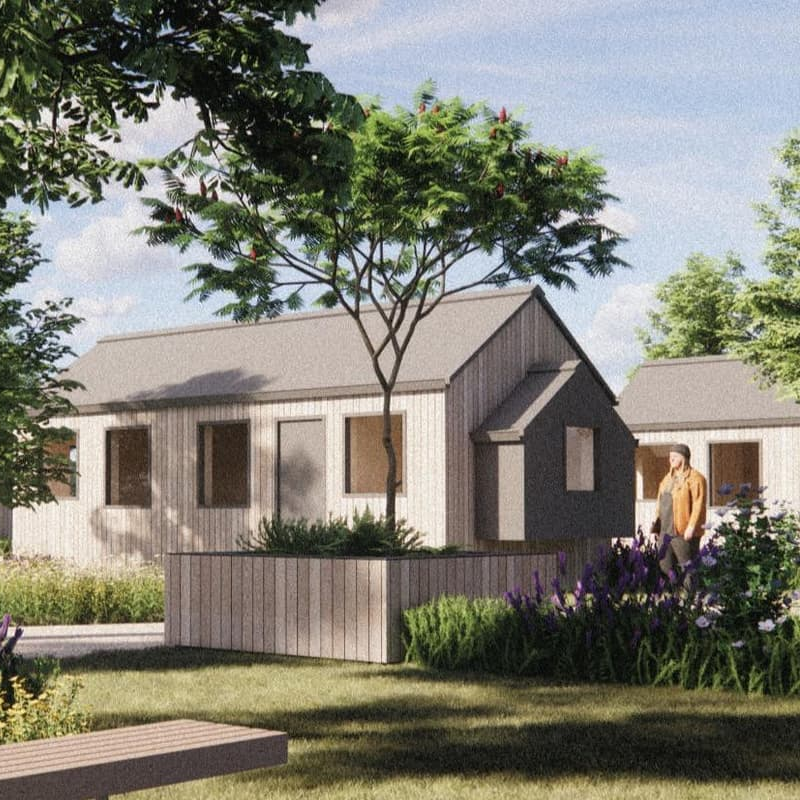
But if communities are built around mixed neighbourhoods, people can work from home, walk to the baker to buy bread, go and have a coffee with friends, then walk to the park to play with their children, then go visit an indie cinema in the evening. But none of that means shopping for endless rubbish.
Enrique’s view!
Enrique Peñalosa is the former Mayor of Bogota in Columbia (he says he is a politician, but a bad one, as he keeps losing elections). He caused uproar when in power, by taking the road budget and using it to build green spaces and walkable communities.
In an interview, he once said that when he was learning English, he thought the word ‘shopping’ meant to go and buy things. But he soon realised that the reason people go to the mall, is more that as social beings, they simply want to be around other people, in ‘bumping into each communities’. It’s not about buying stuff at all.
If the place to go for a walk and see people in a city is the mall, it is a sick city. A city’s public space should compete with shopping malls on quality and security. Enrique
What would happen if we all stopping?
Of course it would still mean buying food, pet food, clothing and other essentials. Plus the odd gift. No-one is saying to walk about in sackcloth and never watch TV! But what would happen if we actually stopped buying collectively all the rubbish that props up economic growth?
- Cheap fashion that is never worn
- Single-task appliances (omelette makers, waffle irons, popcorn machines)
- Unused notebooks and stationery or unread books at discount stores
- BOGOF (buy one get one free offers) for unwanted goods
- Unnecessary (and sometimes dangerous) supplements
- Designer toiletries and perfumes at stupid prices
- Multi-stream platforms for TV and video
- Smartphones that cost thousands of pounds
- Plastic decorations and cheap ornaments
- One-use single tools (instead of sharing them)
This is quite empowering. Because if we all did en-masse, MPs would likely start telling us to go out and shop on the high street, to prop up GDP. But what if we refused? But if we said – ‘No, you have to start changing your policies, because we are not going to ruin the planet, by purchasing crap just to keep you happy, with your obsession with ‘growth’. You’re going to have to rip up the sheet and start again.
They couldn’t force us. They couldn’t put guns to our head and march us down the high street saying ‘You must buy that plastic rubbish, or else I am going to have to think of another way for our government to bring happiness and prosperity’. Good, that’s what we want you to do!
What would government do instead?
At first, government would likely go into meltdown, as it’s so consumerist it would not know how to function in a world where people don’t put shopping above all else. At present, household spending drives over half of GDP. But like Einstein once said, you don’t solve a problem using the same mindset that created it.
MPs would panic and say we would go into a deep economic recession. It’s likely instead of looking at alternatives to a country based around shopping, it would try to force us to ‘eat out to help out’ etc with tax breaks and vouchers and temporary VAT cuts. It would ask us to ‘do our patriotic duty’ to shop at Tesco!
Lobbyists from corporate companies would warn of mass bankruptcies. And wealthy donors would threaten to pull funding, until emergency laws were passed to bail out the massive retail sector.
But ultimately, if we all kept up this ‘I don’t want to live in a world ruled by shopping mindset’, MPs would have to move beyond GDP and come up with alternative ways of living. Like basic income (a wonderful idea where people can work shorter hours and find part-time work and volunteer and be carers, while still living comfortably and happily).
Public money would then be directed at building public parks, walkable communities and helping independent shops and pubs, rather than building massive road systems to get to out-of-town supermarkets. People would then start having enough time off to stay at local guest-houses in England, tea rooms would soar in profits, as people went for seaside walks, and eco tourism would flourish.
Eventually governments would have to levy wealth taxes on big oil and gas companies to bring in extra income, and and move away from ‘consumption taxes’ like VAT, as people would not be consuming! It would have to bring in fair land value taxes and support infrastructure to alternative economies built around tool libraries, repair cafés, timebanks, and garden-sharing networks to keep the population stable and resilient.
Result!