Hold the Hangover: Artisan Vegan No/Low Alcohol Beers
The craft beer landscape has experienced a monumental shift over the past decade. What was once considered an afterthought – characterized by thin, sweet, or overly metallic non-alcoholic options – as evolved into one of the most innovative corners of the beverage industry.
Today, non-alcoholic (0.0% to 0.5% ABV) and low-alcohol (under 2.8% ABV) beers are crafted with the same technical skill, raw ingredient quality, and artisanal dedication as conventional beers and stouts.
A major driver behind this transformation is the commitment to plant-based integrity. Historically, many traditional breweries relied on animal-derived clarifying agents, such as isinglass (derived from fish bladders), or added lactose to artificially boost mouthfeel in low-alcohol brews.
Today’s top non-alcoholic and low-ABV artisanal brewers have pioneered vegan-friendly methods, utilizing precise malt profiles, oats, wheat, and modern brewing technology to achieve rich bodies and complex flavours without animal products.
Before recycling cans, pop ringpulls back over holes. Then step on upper can tops to pinch rims together, to prevent wildlife getting trapped.
Are no-alcohol beers safe with driving?
In theory you can’t get drunk on no-alcohol beers or spirits. As your body expels the tiny alcohol (up to 0.5% like in fruit or bread) faster than you can drink it. Having said that, many countries have zero tolerance limits, and it’s also advised to avoid completely for pregnant/nursing.
Do you drink too much booze?
Alcohol advice is pretty confusing with units etc. Here’s a quick plain English guide for average adults:
- 1 pint of beer or 1 glass of wine each day (one day alcohol-free)
- 2 measures of spirits daily (again one day alcohol-free)
Note this is either/or (not all at once!)
So in plain English (you can mix and match these):
In a week have no more than:
- 6 pints of beer or
- 6 glasses of wine or
- 14 measures spirits
Of course if you are having low-alcohol or no-alcohol alternatives, you can drink more. And that’s where no or low alcohol drinks are helpful.
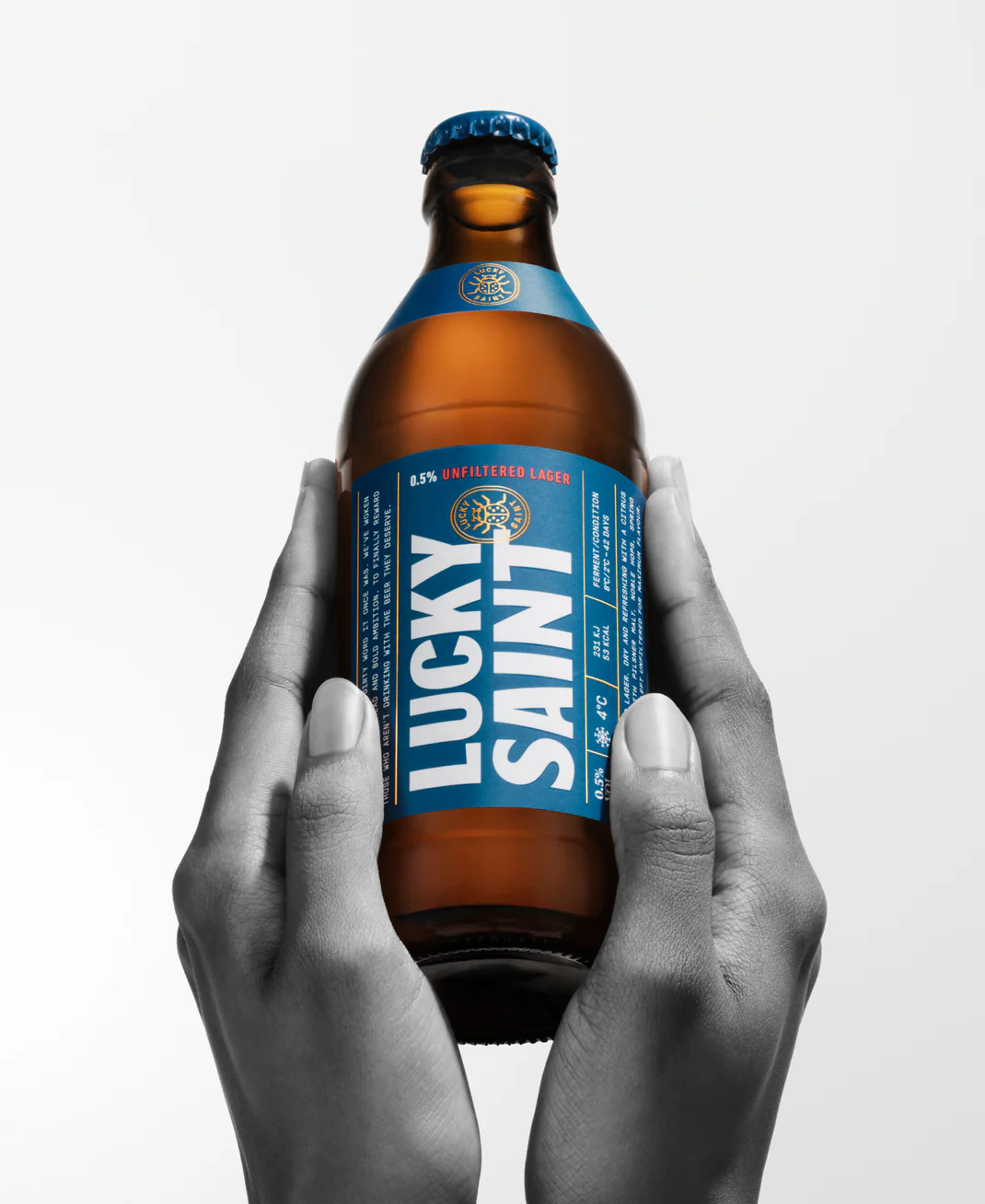
Lucky Saint (no-alcohol beers, also on draught)
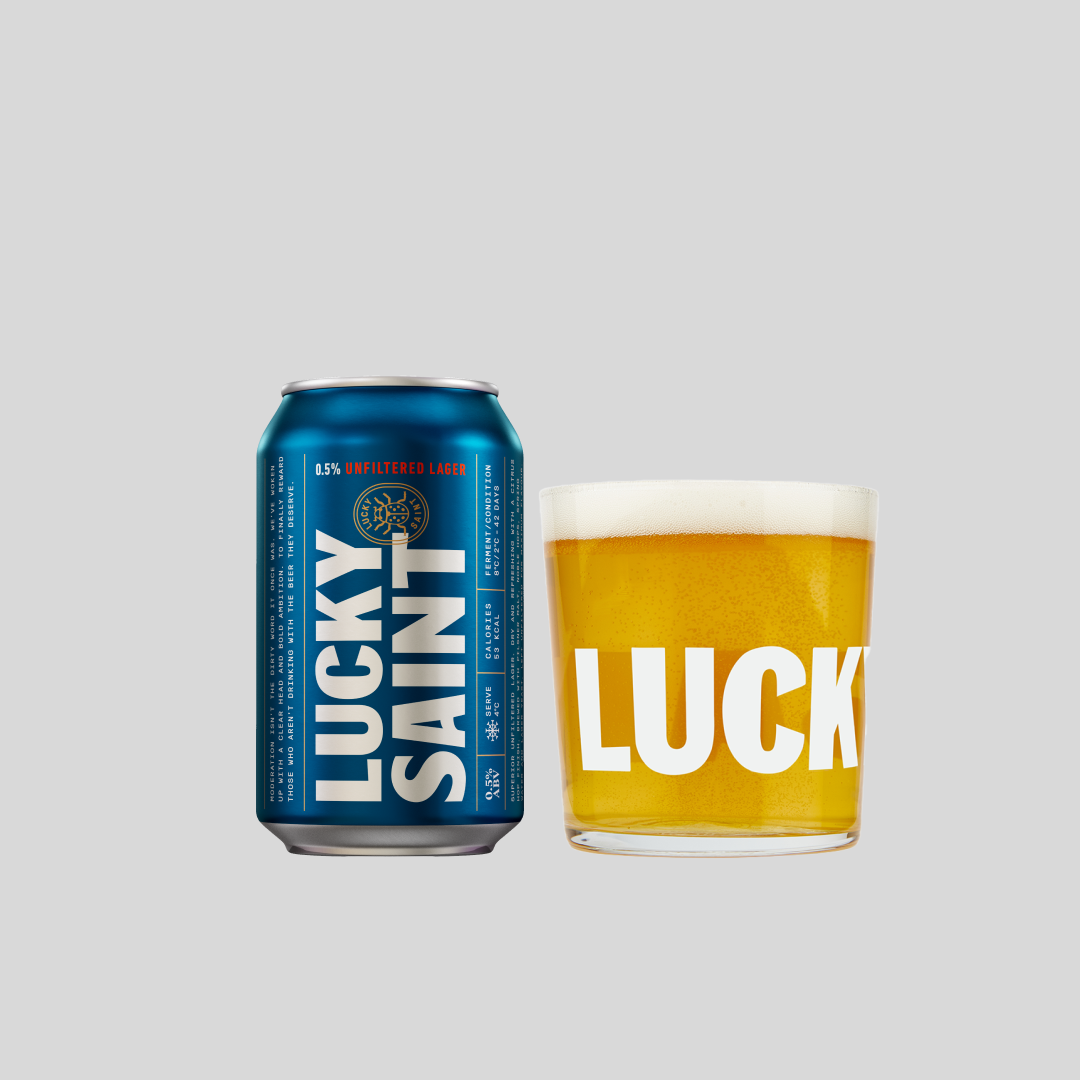
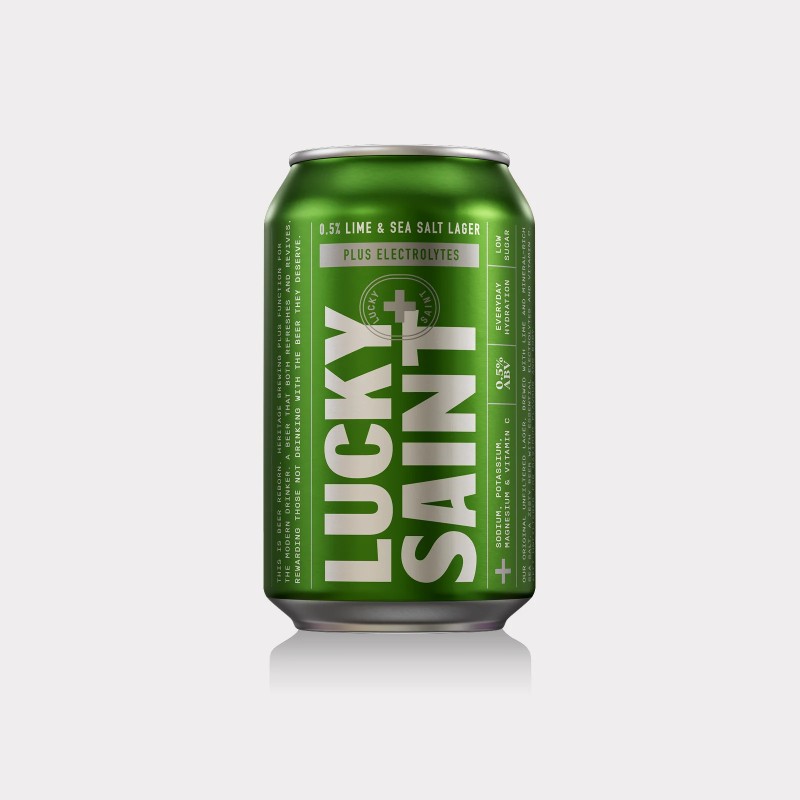
Lucky Saint is brewed to German standards. Using just four ingredients, you can find this vegan beer in stores everywhere. It’s sold in glass bottles or cans. You can also find it on draught in pubs.
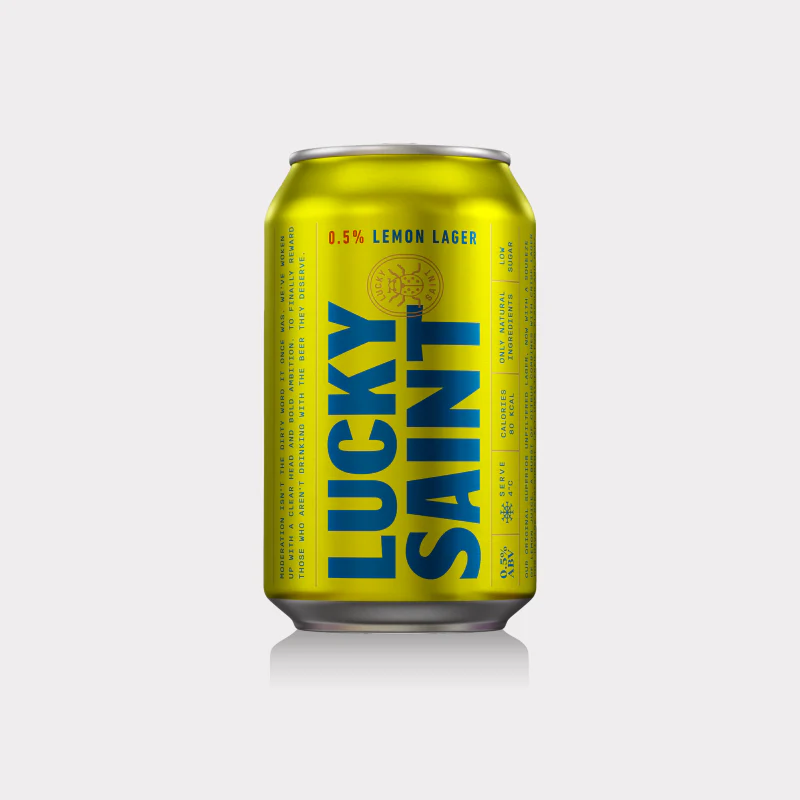
Choose from:
- Unfiltered lager
- Hazy IPA
- Lemon lager
- Lime & sea salt lager
Toast Changing Tides: Made with Breast Waste
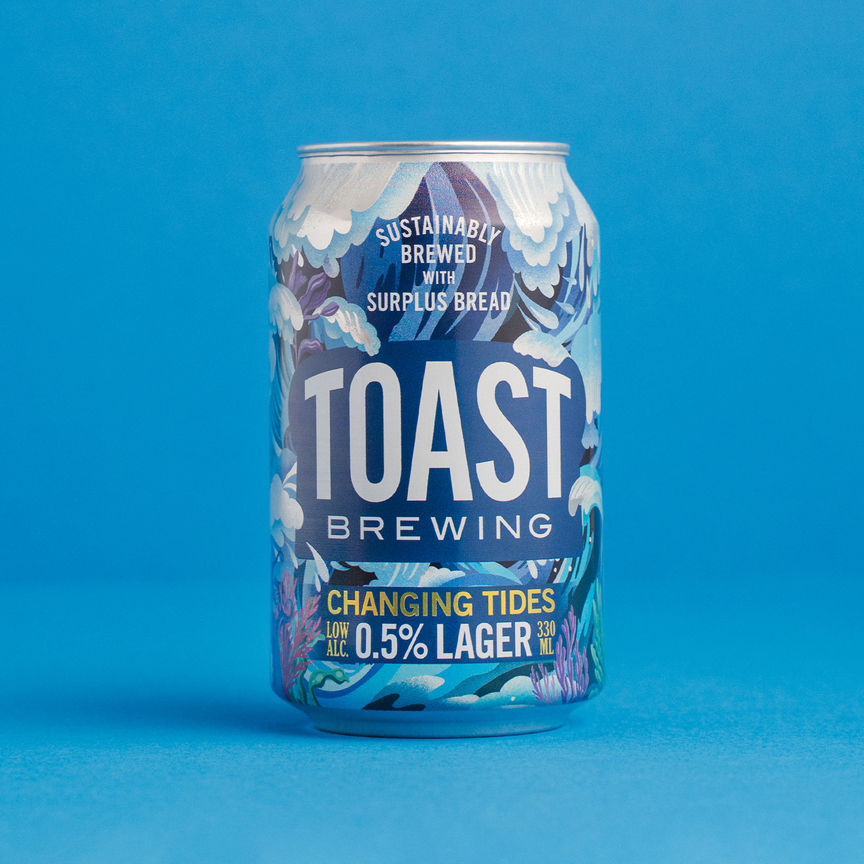
Toast Brewing Changing Tides is the 0.5% version in its popular range of vegan beers, all made by replacing some of the malted barley with waste bread from bakeries. Profits help support food waste charities worldwide.
A refreshing mix of citrus and spice, it’s made with malted barley and English hops. You can find this brand in many stores, or order cases online.
Below Brew Co (includes no-alcohol stout)
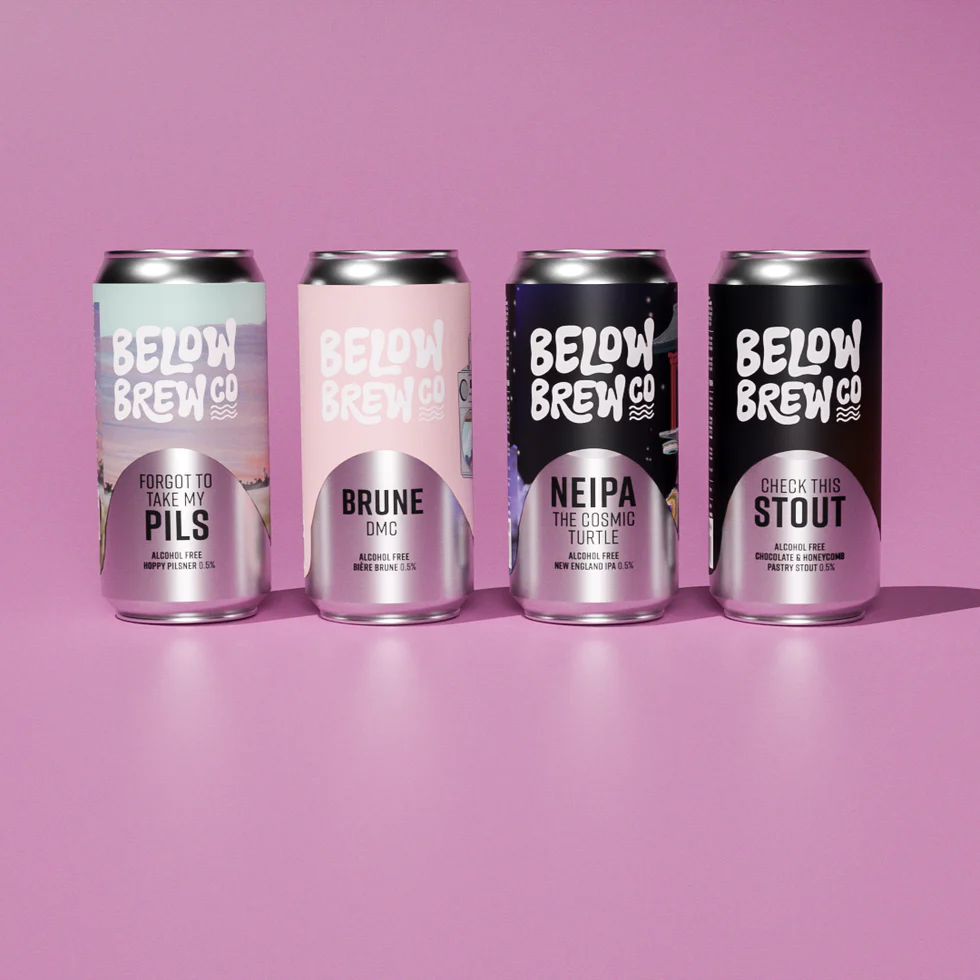
Below Brew CO is a range of quality artisan vegan beers, with no alcohol. All in beautifully designed cans, and there is a vegan stout, as a locally-made no-alcohol Guiness alternative.
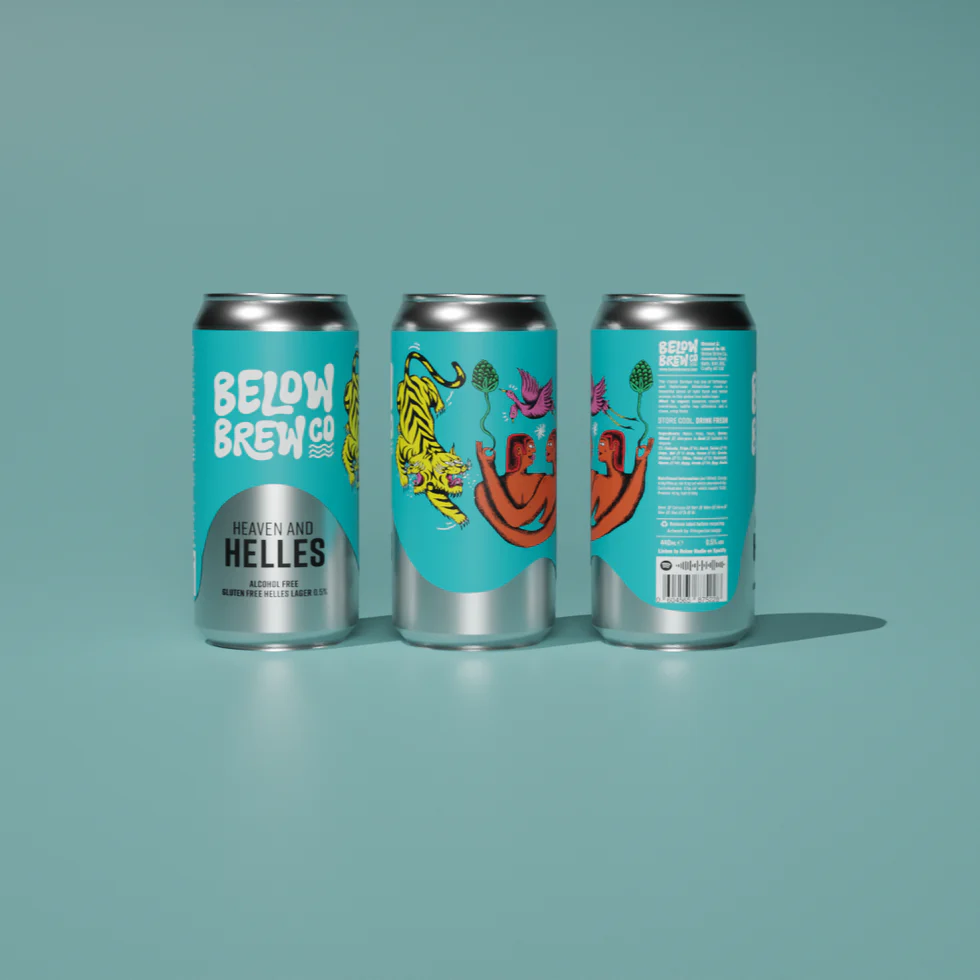
- New England IPA
- Pale ale
- Gluten-free lager
- Hoppy Pilsner
- Pale ale
- Pastry stout
Small Beer Co (low alcohol beers from London)
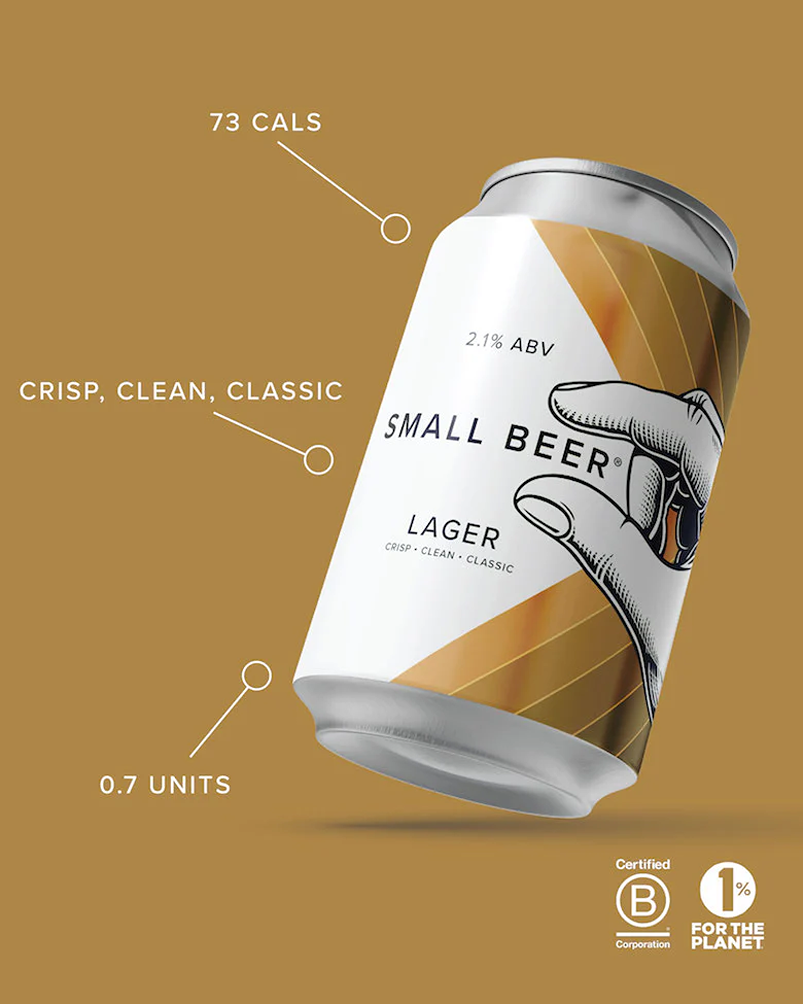
Small Beer Co is a good brand of vegan low alcohol beer, made in London. These beers spend at least 6 weeks lagering for flavour profiles, and are also available in mini-kegs for parties or pubs.
Uses a dry floor process to save water
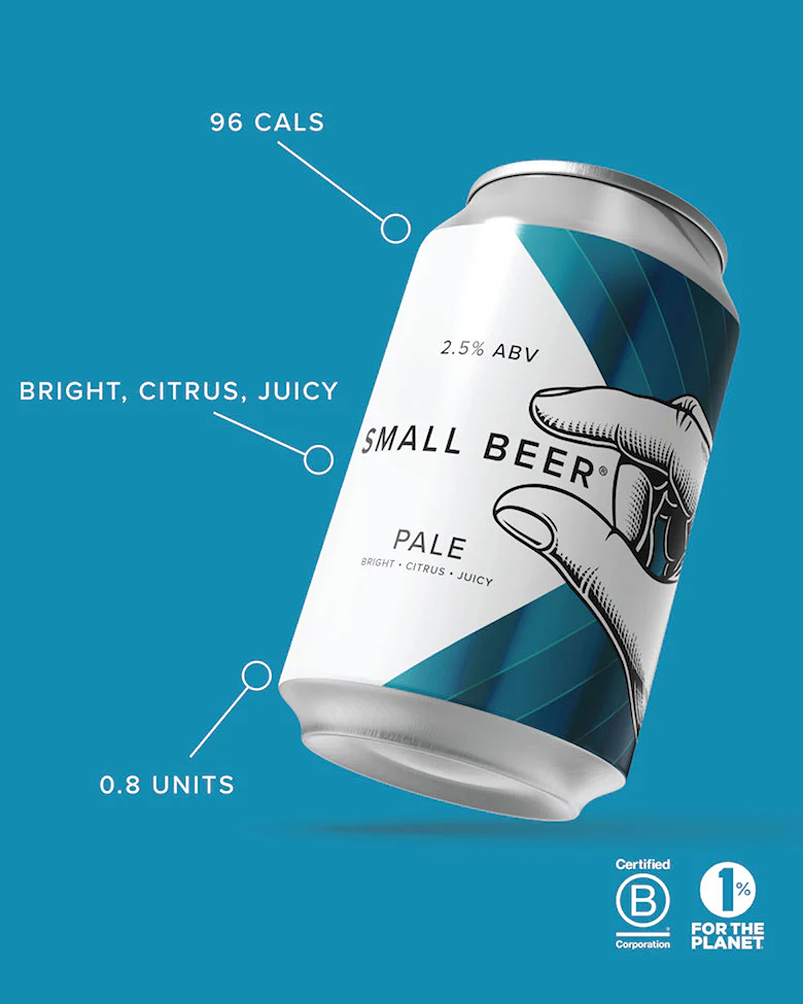
This beer is unique in that it uses a dry floor process, that has saved over 8 million litres of water to day. It also runs on clean energy and sells in zero waste packaging.
- Lager
- Hazy
- IPA
- Amber
- Pale Ale
- Mexican lager
The Future of Plant-Based Moderation
Apparently nearly all young people now don’t drink alcohol at all. And many older people are cutting down or giving up the booze. And brands like Lucky Saint, Toast Brewing, Below Brew Co, and Small Brew Co demonstrates that non-alcoholic and low-ABV beers have moved beyond simple compromis.
By focusing on sustainable sourcing, vegan ingredients, and specialized brewing techniques, these artisan breweries offer rich, satisfying options for any occasion – proving that great beer doesn’t require high alcohol content or animal-derived additives.