Fair Trade Colas (a more ethical fizz)
Cola is one of the world’s most popular soft drinks, and dominated by two brands. Coca-cola (headquartered in Georgia, USA) also owns Sprite, Fanta, Schweppes and the chain Costa Coffee (a chain on every high street, that has decimated local coffee shops).
The PepsiCo distributes Starbucks coffee and Lipton teas, and owns Doritos and Quaker Oats (George Fox must be turning in his grave)).
There are better brands!
Avoid caffeine for pregnancy/nursing.
Before recycling cans, rinse (to remove scents of sugar, apple and nutmeg) and pop ring-pulls over holes. Step on upper cans to ‘pinch’ inner rims together, to avoid wildlife getting trapped.
Places that sell lots of canned drinks can set up cash for cans recycling projects, to raise money for community projects.
The history of cola drinks
Cola drinks were invented in the late 19th century (coca leaf and kola nuts sold in pharmacies to treat headaches and morphine addiction). Kola nuts are rich seeds from West African rainforests, early cola drinsk removing cocaine around 1903, to replace with ‘spent’ leaves for flavour.
Pharmacist John Pemberton (who had an addiction to morphine due to a sword slash in battle) added carbonated water to these leaves, after the Prohibition banned alcohol. Sold at pharmacist, a few years later fellow pharmacist Caleb Bradham sold Brad’s Drink (later Pepsi) but had to sell his brand at a loss after a massive gamble on sugar prices.
What’s wrong with conventional cola?
The big brands use refined sugar and use caramel and phorphoric acid (a preservative linked to kidney stones and lower bone density as it stops absorption of calcium) if over 2 cans daily are had.
Most kola farmers are paid a pittance, for one of the most profitable drinks on earth. Most brands don’t buy direct from farmers, but instead from global suppliers. Nearly all the retail price of a cola can is to pay for marketing, not farmers. Plus shops receive a profit, and oil (expensive) is needed to deliver ans worldwide.
Back in the 80s, Michael Jackson was paid $5 million to promote Pepsi as ‘the choice of a new generation’.
Today neither drink is as popular as water. Which is why both brands are launching ‘healthier’ versions like stevia-sweetened ones.
In 2026, Coca-Cola had a major European recall over elevated chlorate levels (a chlorine by-product from treating water) in Belgium, and also had to recall thousands of cans in the US due to potential plastic contamination.
There are also concerns over high sugar content we all know that diet cola is even worse for your teeth, due to high acidity). Both also sell in single-use virgin plastic bottles.
Steep cola (cola without caffeine)
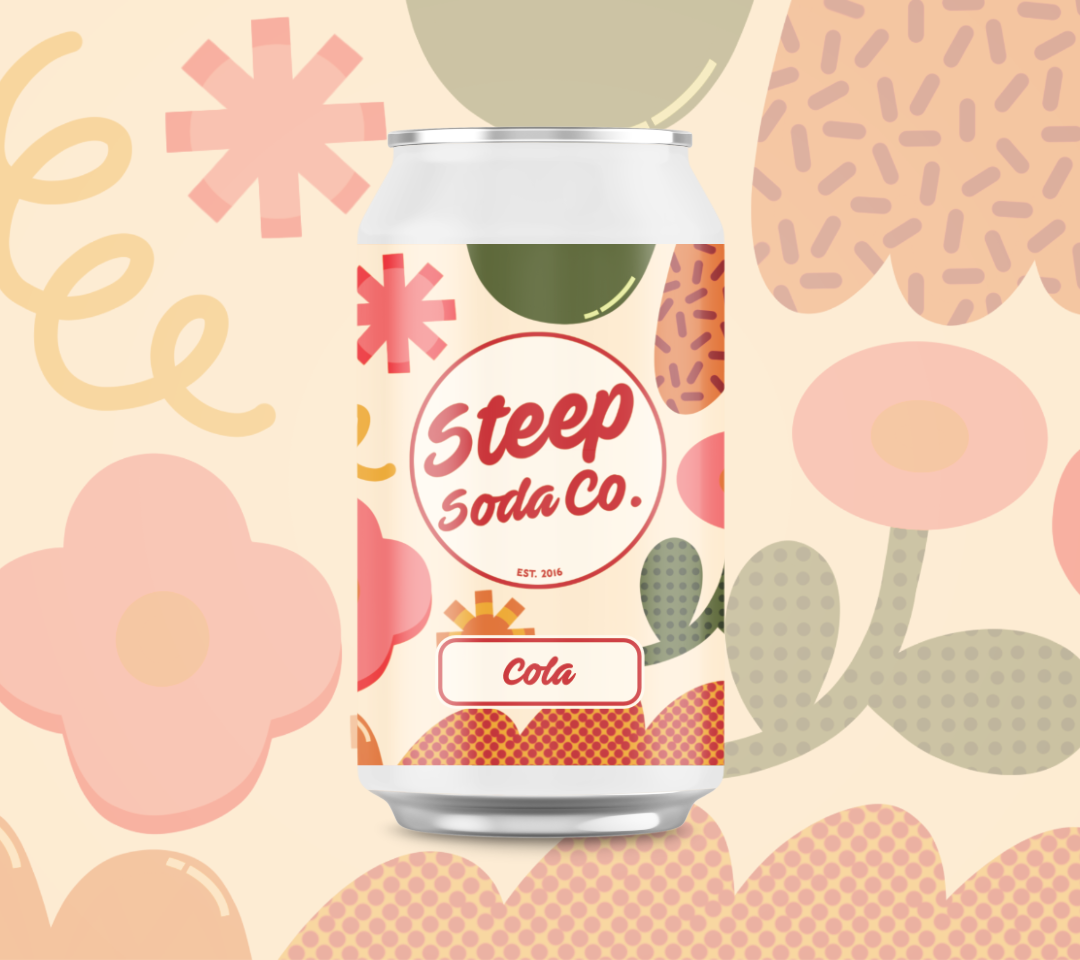
Steep Cola is from a Manchester natural soda brand. Made with organic essential oils and cane sugar, it features coriander, nutmeg and lavender, for a ‘classic cola cube’ taste. The sugar-free version is sweetened with stevia.
Keep well away from pets, due to nutmeg.
Karma Cola (pays fair trade prices to farmers)
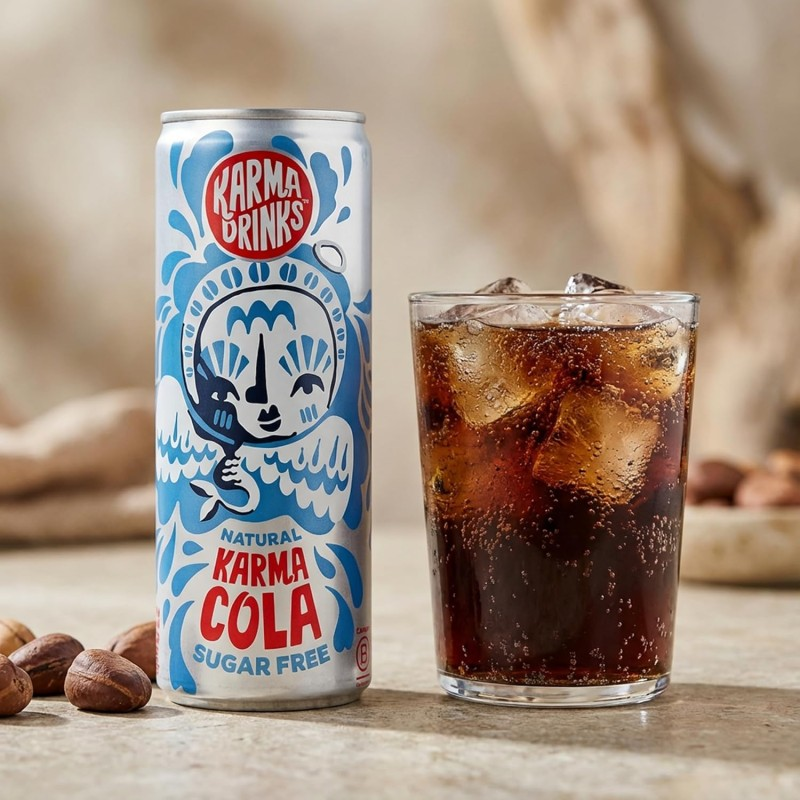
Karma Cola (also in glass bottles) sells organic cola drinks made with real coal nuts, with 1% going to kola-nut growing communities in Africa, who they pay fairly. It’s cola with a conscience!
The sugar-free verson is sweetened stevia.
By empowering eight communities that grow this brand’s kola nuts, this protects over rainforest, which endangered species call home (11 primates, countless birds and at least 123 plant species that thrive in the canopy).
For each case sold on the website, the company plants 25 trees in the Amazon rainforest, home to endangered plants, birds, animals and marine species.
European production has now moved from Austria to Somerset, cutting over 78,000 kilometres of travel, and providing local jobs. Profits to Sierra Leone farmers have helped build new classrooms (and repair broken pumps so villages have safe drinking water).
Cola’s a multi-billion dollar industry. Yet almost none use real kola nuts now. This means West Africans, who first cultivated the kola nut, receive no benefit. We wanted to change that. Founder of Karma Drinks
Whole Earth sparkling cola (in health shops)
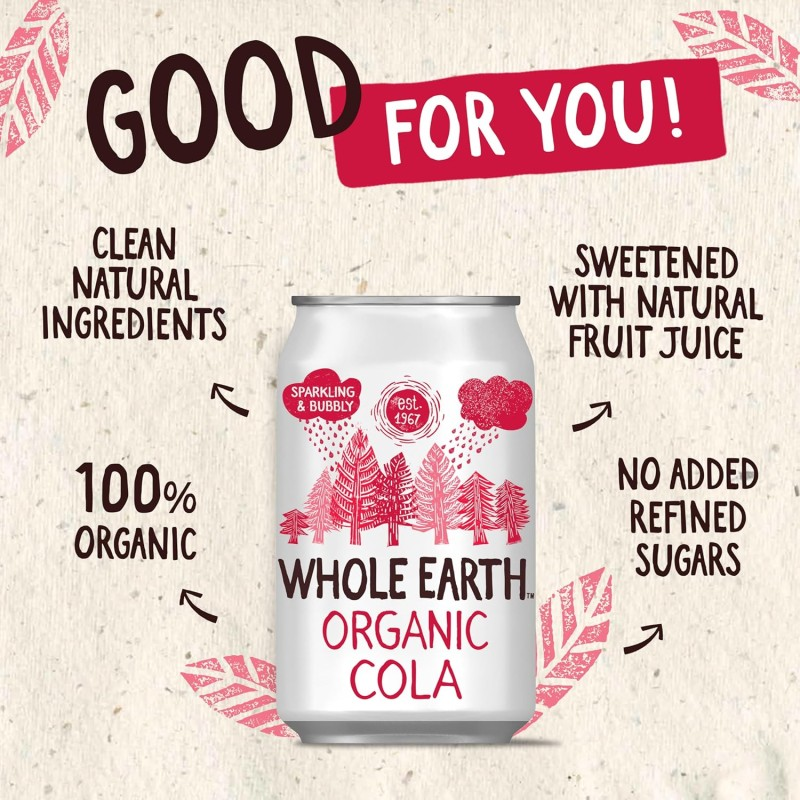
Whole Earth sparkling cola is nice, sold in farm shops and health shops. This is the easiest option likely if you want to just pop in a store to find a natural cola.
Fentimans botanical cola (sold in pubs)
Fentimans botanical cola has been around 100 years. This is also in a cherry version with cinnamon. Though some are sad that the brand was recently bought out, from its former independent base in Northumberland.
Gusto Organic cola (natural energy drink)
Gusto organic cola is sweetened with blue agave juice. This is blended with organic citrus and spice extracts, along with Africa kola nuts and spring water. Also as cherry cola (sweetened with vanilla).
And naturally slim cola (with organic Sicilian lemon juice).