Cash for Cans (turn recycling into community fundraisers)
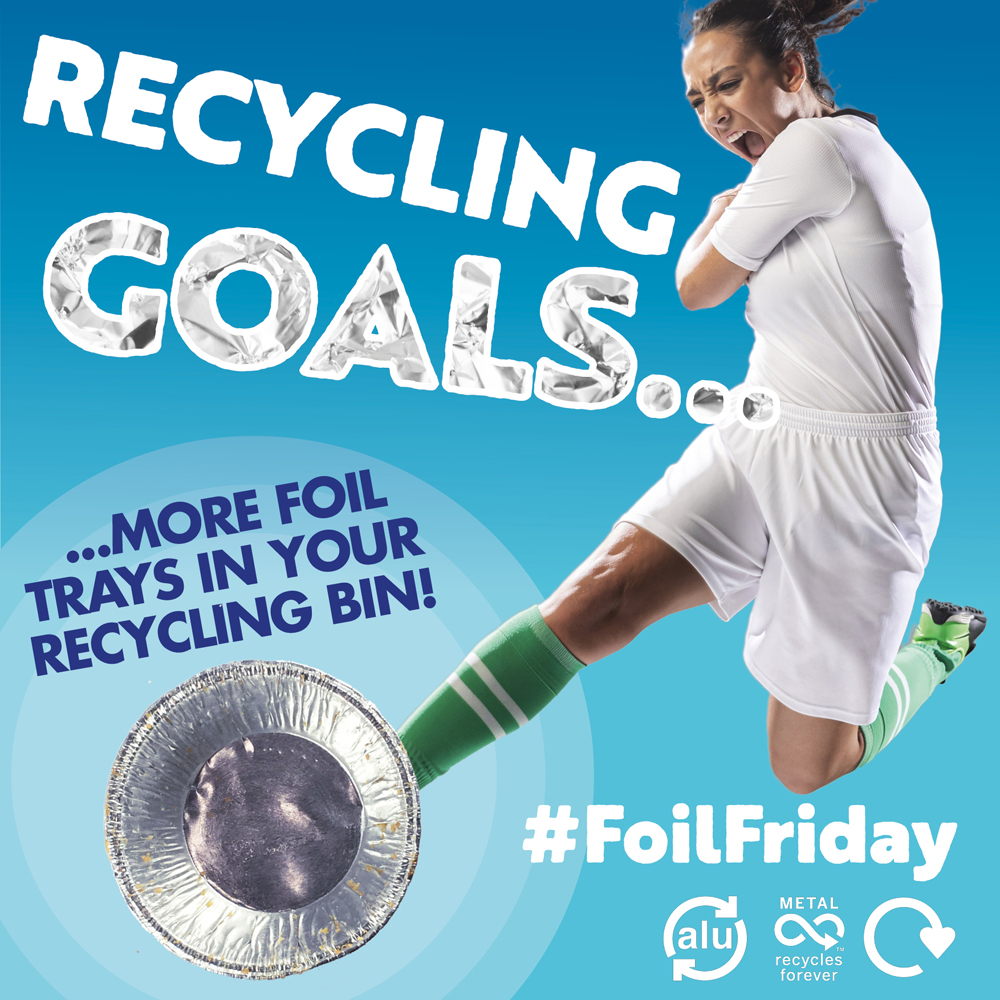
Most food and drink cans are made from aluminium, a lightweight material that does not lose its quality when recycled. So business love to buy it secondhand to save money.
This is a great opportunity to collect drinks and food cans (plus clean foil) which can be sold to local merchants, and raise money for local community fundraising projects.
How to recycle cans (to keep wildlife safe)
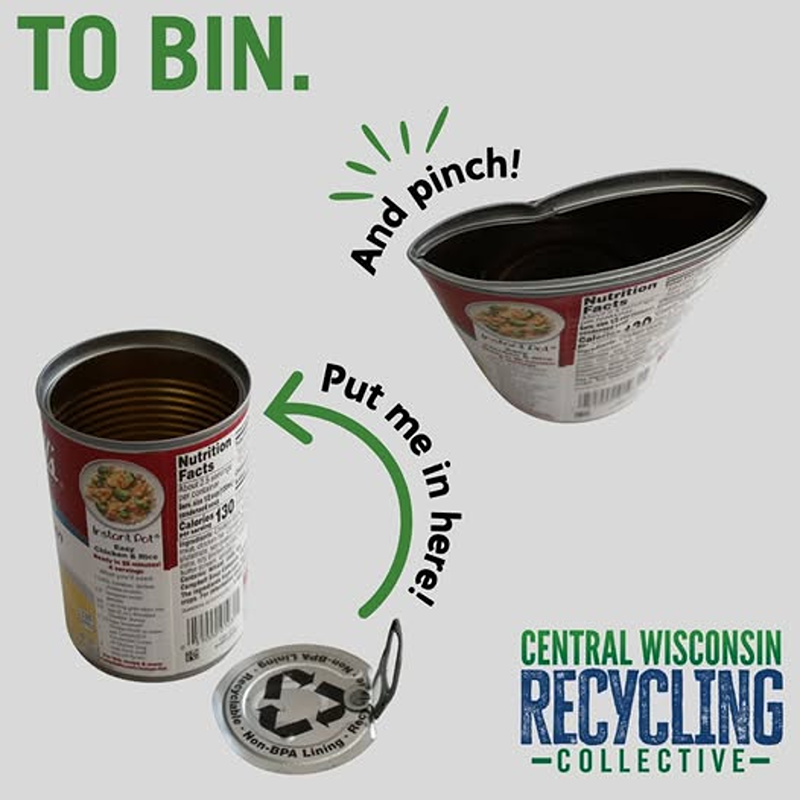
To avoid wildlife investigating open cans at landfills or recycling sites, recycle them in the proper way:
- Rinse out (to avoid tempting smells).
- Remove lids and pop inside (or pop ring-pulls over holes).
- Step on upper cans to pinch rims together, so wildlife can’t get inside.
Research by Keep Britain Tidy found that 80% of littered bottles and nearly 5% of littered cans contained remains of small mammals such as shrews, bank voles and wood mice.
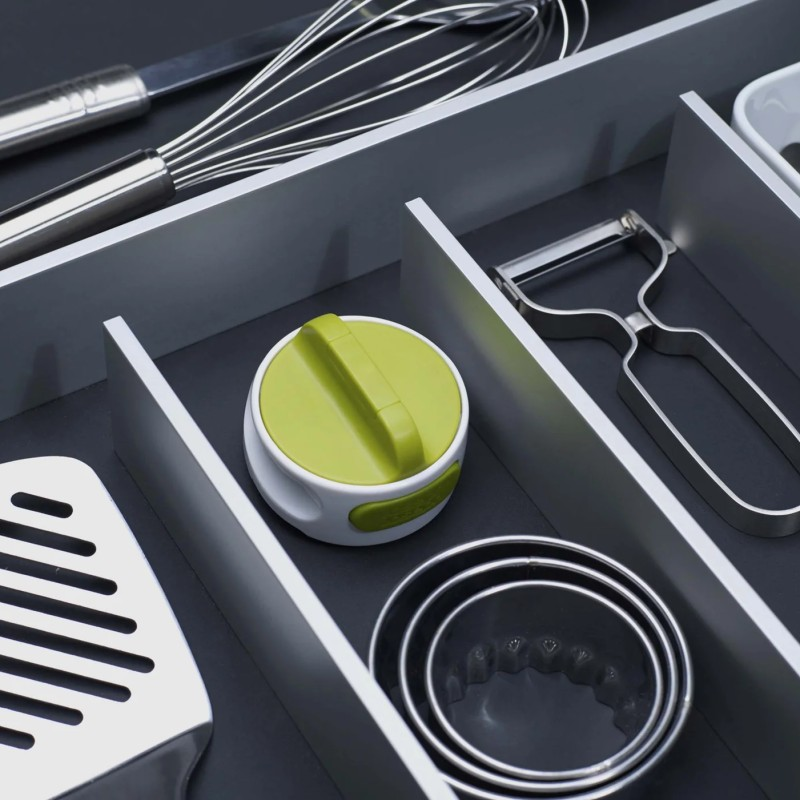
Collapsible can openers are good to fully remove lids without jagged edges. And folds away in a drawer.
Boycott plastic can holders
Those plastic beer can holders (also used for sodas) are now banned for sale by many shops, as they are invisible in water, and can trap around wildlife beaks and necks. Avoid purchase (choose brands wrapped in cardboard instead).
If you find any littered, rip up the holes and place in a secure bin (not open ones where they could fly away in the wind). Do the same for littered rubber bands or plastic hair ties (ideally take home to cut the holes, before securely binning).
Start a Cash for Cans scheme
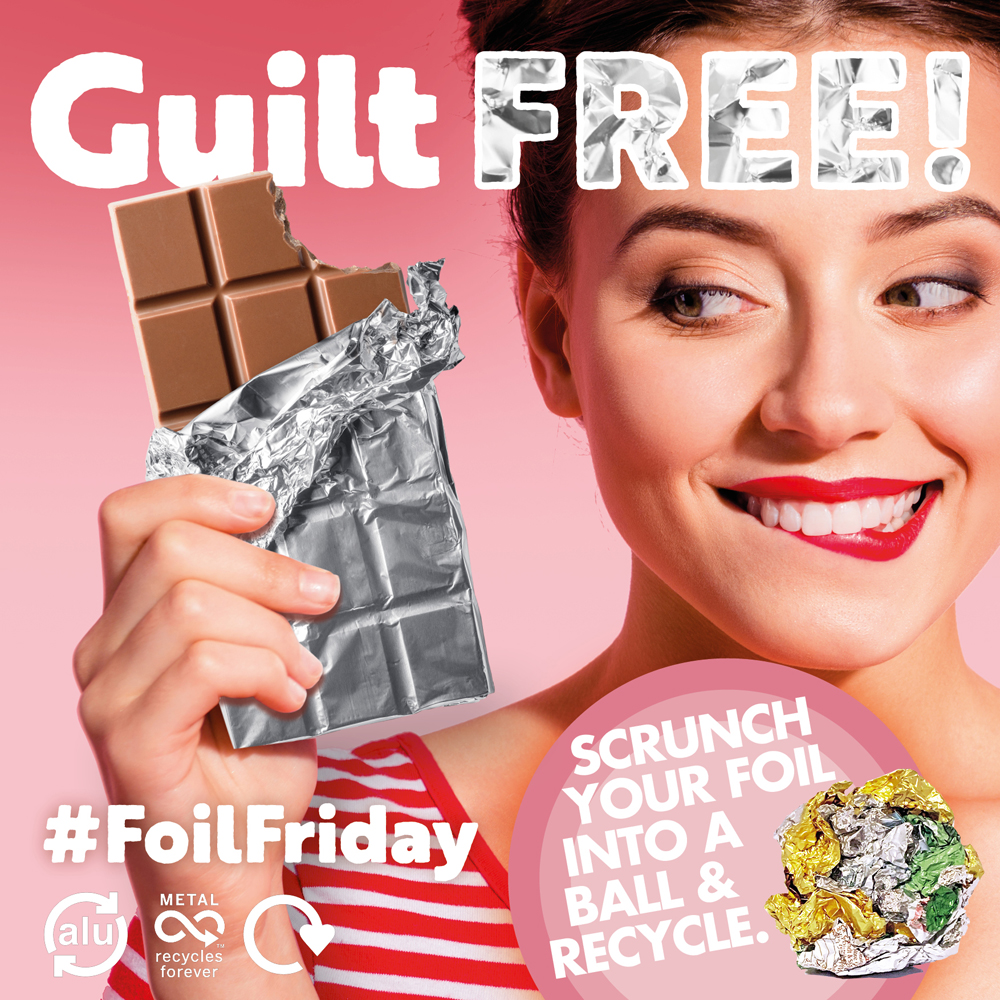
Order a free starter kit from ALUPRO, which explains how to collect/sell aluminium cans and clean foil, and sell it to scrap metal merchants. They are not legally allowed to pay cash, so you’ll need ID to receive payment by cheque or bank transfer. Most accept 5kg or more (around 350 cans).
You can recycle:
- Clean aluminium food and drinks cans
- Clean foil and trays (scrunch into a ball)
- Clean yoghurt pot foil lids
- Easter egg foil
- Empty aluminium aerosol cans
Bin greasy foil (or foil with burnt-on food). Aerosoles that hiss when pressed have product inside, so take to household hazardous waste centre.
How much money can you raise?
Scrap metal prices vary, but expect to receive £50 to £100 per 6,500 cans. That means £500 to £1000 for 65,000 cans.
This may not seem like a lot, but it is!
For example, people in London drink around 4 million canned drinks each day. If communities collected these cans, they could raise £32K to £64K each day – more than £11 to £23 million a year!
Can you imagine how many animal shelters, homeless hubs or environmental charities this could help? Then multiply that throughout every town and city in the modern world!
Every Can Counts is now a global movement. In the USA, schools can set up a similar program with TerraCycle.
Report littered cans & other items
If there are cans that you can’t collect (say littered in rivers), report to Fix My Street. You can upload photos and reports are sent to councils. Due to being public, action tends to be taken. Especially if several people make the same complaints.
Outside the UK? FixMyStreet is Open Source software, so you can design your own similar site!
Better recycling bins help
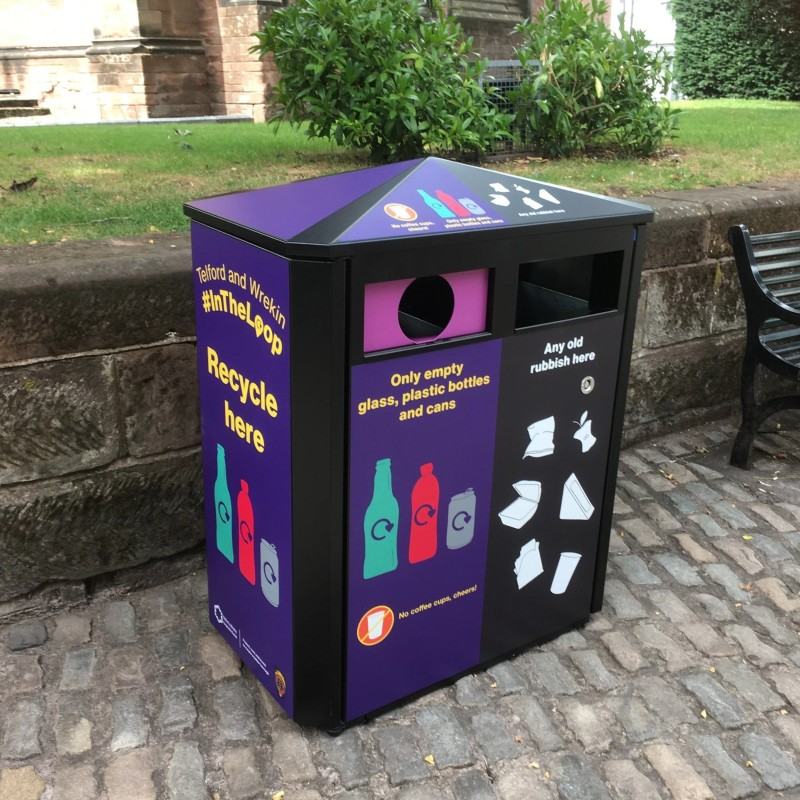
Councils can invest in Neat Streets colour-coded recycling bins. These are used for cans, glass, cardboard and plastic bottles. The cost is more than offset, but not having to pay staff to pick up litter.
Studies show people are more likely to recycle when bins are:
- Brightly coloured
- Easy to recognise
- Placed next to normal litter bins
- Placed near vending machines, break rooms and picnic areas
Bins should also be emptied regularly and fitted with lids (to stop waste blowing away in wind).
No matter who drops litter on public land in England, councils have a legal duty to get it removed. For private land, they can serve Litter Abatement Orders (issuing fines, or sending invoices for staff they pay to clean up).