Zero-Waste, Plant-Based Iron: Fuel Your Body Without the Trash
Switching to a plant-based diet is a fantastic move for both your health and the planet. But if you’re trying to keep your environmental footprint as small as possible, you might find yourself facing a common dilemma: how do you hit your daily nutrient goals – especially iron – without collecting a small mountain of plastic packaging and single-use waste?
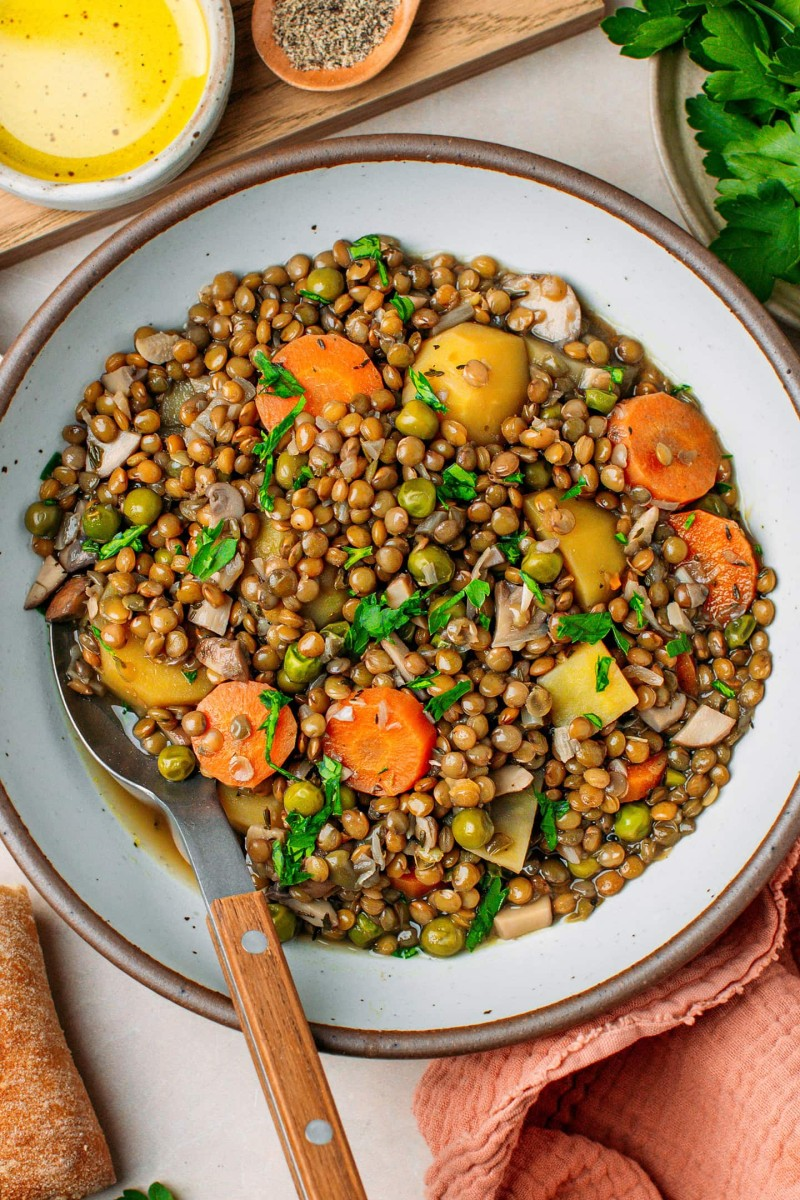
Try this One-Pot Lentil Stew (Full of Plants)
Iron is a crucial mineral responsible for carrying oxygen throughout your body, keeping your energy levels high, and supporting your immune system. While animal products are often touted as the easiest source of iron, the plant kingdom is brimming with iron-rich foods.
Even better? Many of these plant-based powerhouses are among the easiest foods to source completely zero-waste.
Here is your comprehensive guide to getting all the plant-based iron you need while keeping your trash can completely empty.
Master Bulk Bins: Legumes and Whole Grains
The bulk aisle is a zero-waste advocate’s playground, and it happens to be packed with high-iron staples. By bringing your own cloth bags or glass jars, you can stock up on nutrient-dense foods without packaging.
Pulses and Beans
Lentils, chickpeas, black beans, and kidney beans are absolute champions when it comes to plant-based iron.
- Lentils: Just one cooked cup provides roughly 35–40% of your daily recommended iron intake.
- Chickpeas & Beans: Offer around 4–5 mg of iron per cooked cup.
Buy dried beans in bulk rather than canned. Dried beans are cheaper, take up less space, and eliminate the energy cost and material waste associated with metal cans. Cook them in large batches and freeze them in glass containers.
Soak your dried beans and whole grains overnight before cooking; this reduces phytates and makes the iron much more bioavailable!
Before recycling empty lentil cans, remove lids then step on upper can tops to pinch rims together, this helps prevent wildlife getting trapped.
Whole Grains
Don’t overlook grains as an iron source. Quinoa, oats, buckwheat, and amaranth are naturally rich in iron and readily available in bulk bins.
- Quinoa: A single cup of cooked quinoa delivers about 2.8 mg of iron, plus all nine essential amino acids.
- Oats: A warm bowl of rolled oats gives a 3.4 mg start to your morning.
Dark Leafy Greens
Dark, leafy greens are legendary for their iron content. However, they often come wrapped in plastic produce bags or plastic clamshell containers.
Check medication before consuming lots of leafy greens.
Best Iron-Rich Greens
- Spinach: One of the most famous sources, though cooking it helps release the iron for better absorption.
- Chard & Kale: Robust greens that hold up well in soups, stews, and sautéed side dishes.
- Don’t throw away the tops of your beets! Beet greens are actually higher in iron than the beet roots themselves.
Visit your local farmer’s market or join a Community Supported Agriculture (CSA) scheme. Bring reusable mesh bags or simply place the bare produce directly into your basket.
To keep your greens fresh without plastic bags, wrap them in a damp cotton towel and store them in the crisper drawer of your fridge.
Harness the Power of Seeds and Nuts
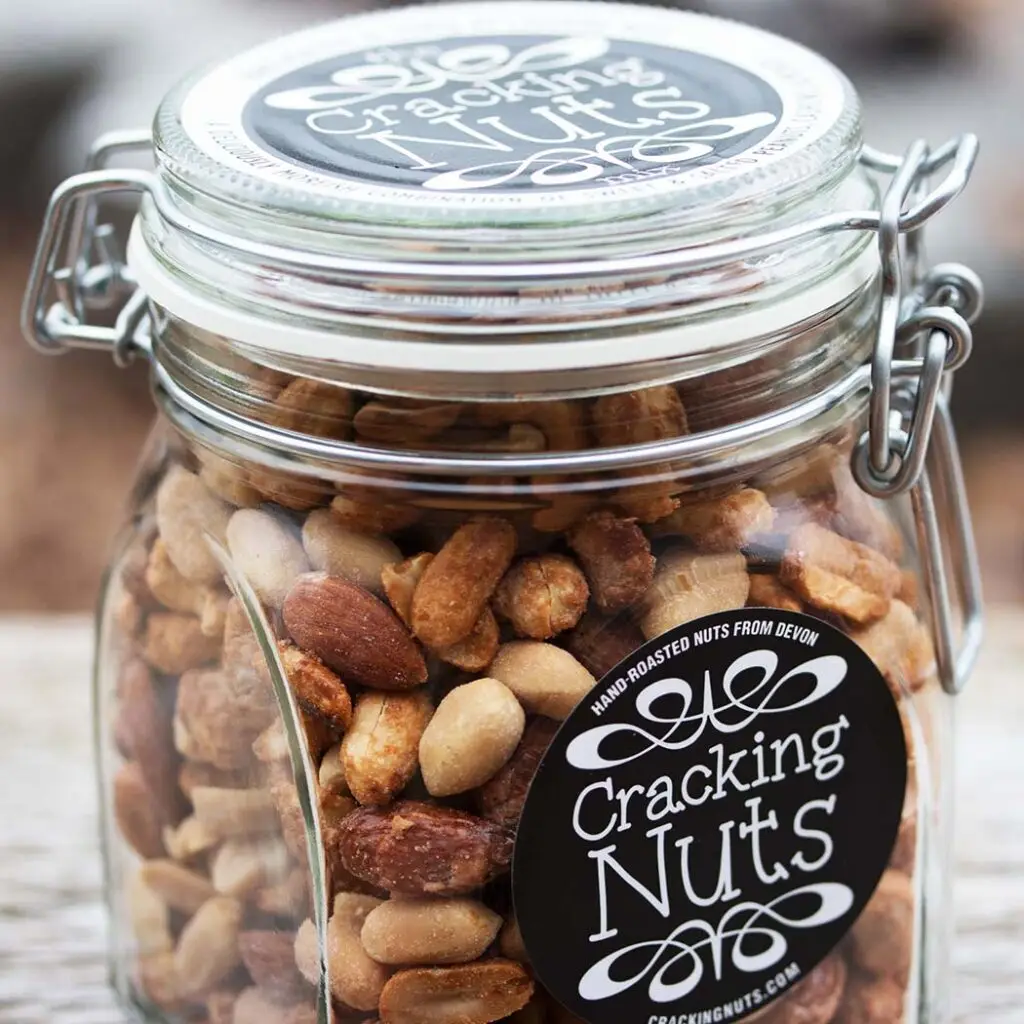
Nuts and seeds are compact iron powerhouses, perfect for sprinkling over meals or snacking on the go.
Avoid nuts and seeds (and nut/seed butters) for young children and people at risk of choking.
- Pumpkin Seeds (Pepitas): A small handful (about one ounce) packs a whopping 2.5 to 4 mg of iron.
- Hemp Seeds & Chia Seeds: Great for blending into smoothies, tossing onto salads, or making overnight pudding. Always dilute chia seeds with water before use.
- Sesame Seeds (and Tahini): Sesame seeds are extraordinarily rich in iron. Using bulk-bought sesame seeds to make home-blend tahini (or buying tahini in returnable glass jars) is an easy win.
Like grains, seeds and nuts are widely available in bulk aisles. Buy them raw, store them in airtight glass jars in a cool, dark place (or the fridge to prevent oils from going rancid). Roast them at home with plastic-free spices.
Keep spices (esp nutmeg and mace) away from pets.
Use Cast Iron Cooking Pans
Cooking acidic foods (like tomato sauce or citrus-infused dishes) in an unlined cast-iron skillet actually leaches small, safe amounts of dietary iron directly into your food.
A good cast-iron pan is the ultimate zero-waste investment—it lasts for generations, replaces toxic non-stick pans, and actively fortifies your meals.
Pair Iron Foods with Vitamin C
Plant-based iron is known as non-heme iron. Unlike the heme iron found in animal products, non-heme iron is more sensitive to other compounds in your diet and isn’t absorbed quite as easily by the body on its own.
Fortunately, there is a simple, zero-waste chemistry trick to boost your absorption rate by up to 300%: Pair your iron with Vitamin C.
Easy Zero-Waste Pairings
- Citrus & Greens: Squeeze fresh lemon juice (bought package-free) over cooked spinach or kale.
- Bell Peppers & Beans: Toss raw sliced bell peppers into a black bean and quinoa salad .
- Berries & Oats: Top morning oatmeal with fresh, seasonal berries.
Just as Vitamin C boosts iron absorption, certain compounds hinder it. Tannins (found in coffee and tea) and phytates (found in raw grains and legumes) can bind to iron and reduce absorption.
Avoid drinking coffee or tea within an hour of your iron-rich meals.
Consider A Plant-Based Iron Supplement
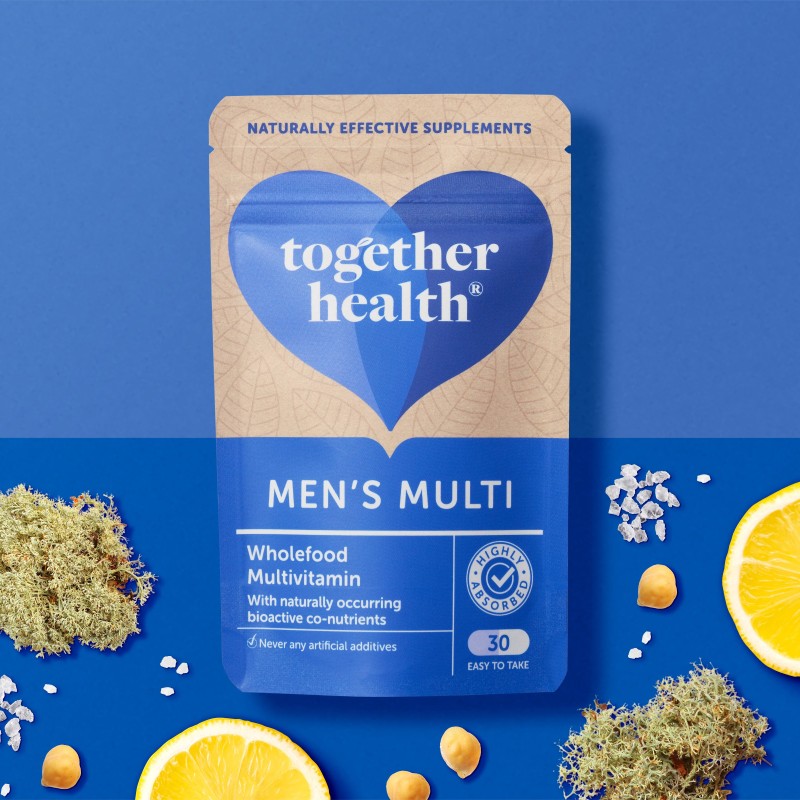
If you still need extra iron, consider a plant-based iron supplement in sustainable packaging. As iron is best to take on an empty stomach, use wholefood versoins to avoid stomach cramps, nausea and diarrhoea. It’s also good to take alongside vitamin C foods for better absorption.
Always check with GP if pregnant/nursing or taking any medication, before using supplements.
Together Health Gentle Iron Supplement (in eco packs)
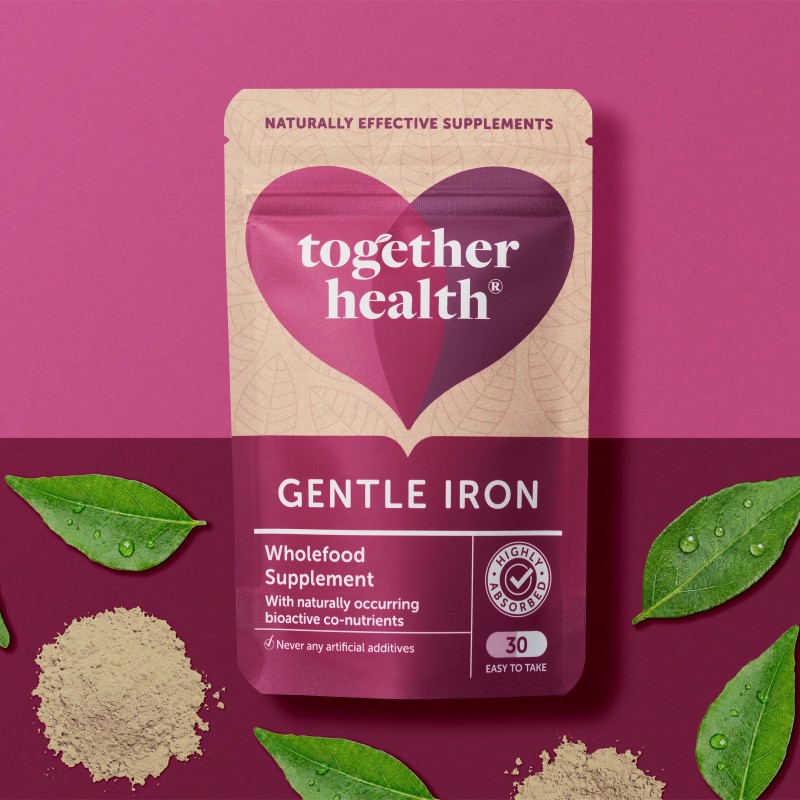
Together Health Gentle Iron tops up low iron levels with organic curry leaf, to help normal blood formation. Using whole food sources means it’s also gentle on your stomach. The whole food ingredients are also raw or use low-heat control, to preserve live enzymes and trace minerals.
The capsules are made from plant cellulose from the Pinus Elliottii tree, and can be separated and the contents mixed with food or drink if preferred.
The supplements are sold in easy to recycle pouches that are plastic-free and contain a protective film made from wood pulp.
Vegums Super Iron Gummies (for adults and children)
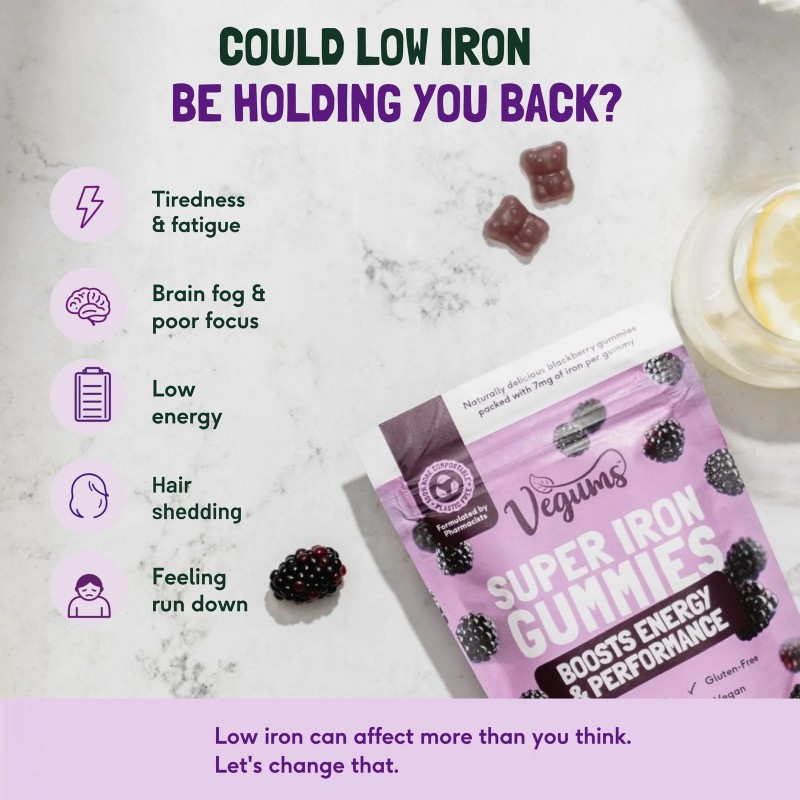
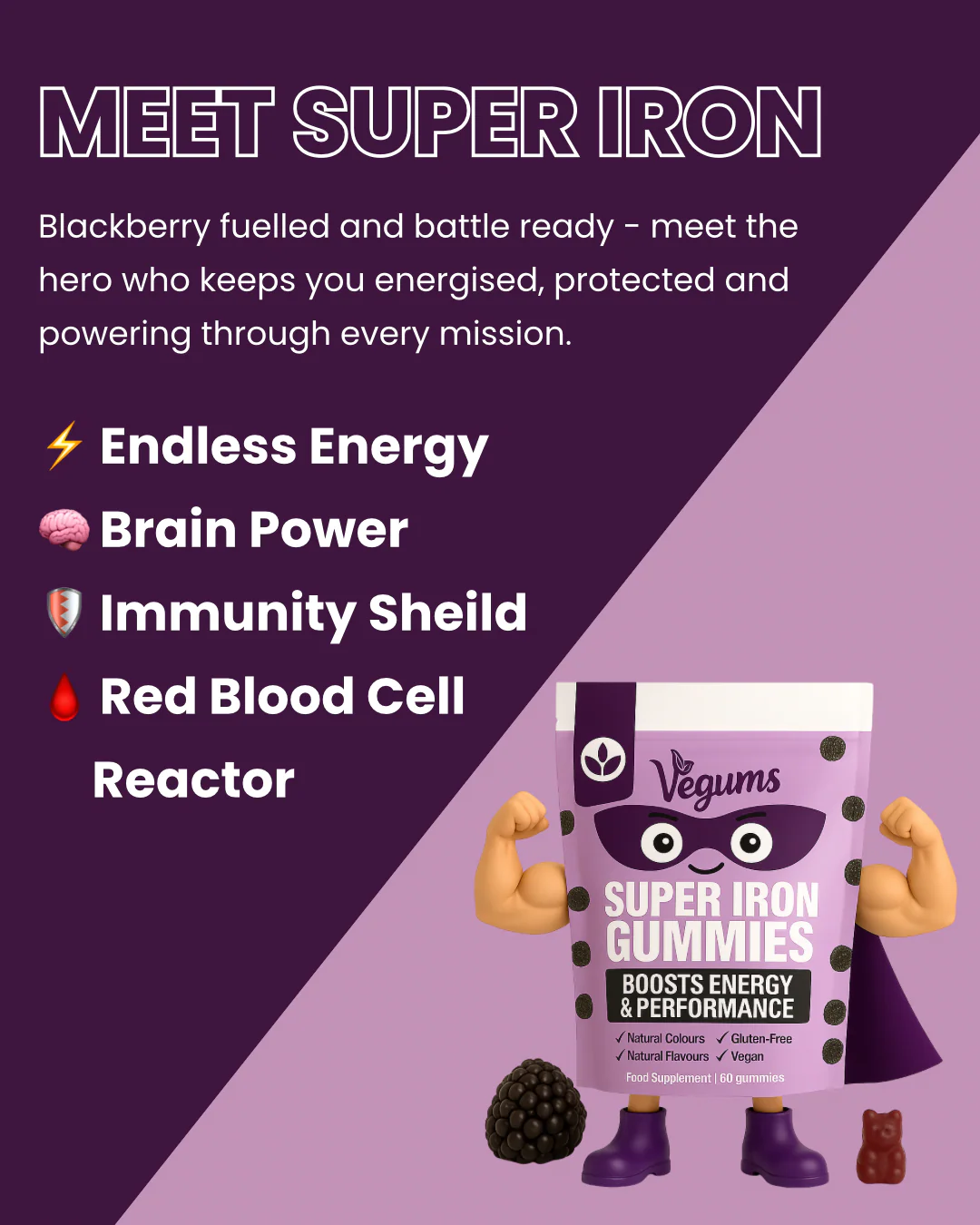
Vegums super iron gummies are by a brand founded by two pharmacists, and sold as easy-to-chew flavoured gummy sweets, to get your nutrition. Also in a child’s version(for age 3 to 11 – after 12 take the adult version). They are sold in tins with compostable refill pouches.
Gentle on the stomach, these are in a nice blackberry flavour. Keep away from young children and pets, as they look/taste like sweets.
Sustainable Body, Sustainable Planet
Meeting your iron needs on a plant-based diet doesn’t require synthetic supplements packaged in plastic bottles or processed foods.
By embracing bulk buying, supporting local farms, using heirloom cookware like cast iron, and smart meal planning, you can easily nourish your body with zero-waste, iron-rich foods. Every plastic-free meal is a step toward a healthier you and a cleaner planet!